The Levy on the Lifeline: How Kenya's New Taxes Reach the Diaspora Through the Money They Send Home
As Gen Z returns to the streets over fresh taxes on bread, mobile money and data, Kenyans abroad watch their two tightest bonds to home — the cash they wire and the call they make — grow costlier.

In a shared apartment outside Dallas, a Kenyan nurse finishes a night shift, sits on the edge of her bed, and does two things before she sleeps. She opens a video call to her mother in Nakuru, and she opens the app that sends money home. This week the screen carried something extra: footage of young people back on the streets of Nairobi, placards up, a year almost to the day since the protests that shook the country. She watched for a while, then sent what she could.
That small nightly ritual — a call and a transfer — is how millions of Kenyans abroad stay woven into the life of home. It is also, this month, where a distant tax fight quietly lands. A revised finance bill working its way through Kenya proposes fresh levies on some of the most ordinary things in daily life: bread, mobile-money transfers and internet data. For the diaspora, those last two are not abstractions. They are the lifeline itself.
The bill that came back
A year ago, a finance bill stuffed with new taxes triggered the largest youth protests in Kenya's recent memory. Demonstrators reached the gates of parliament; dozens of people died in the unrest that followed. Under pressure, President William Ruto withdrew the bill and reshuffled his cabinet. The grievances behind it — joblessness, the cost of living, a sense of being unheard — never left.
Now, around the June 25 anniversary, the anger has returned. According to reporting by The Rio Times, a revised bill proposes new levies on staples such as bread, on mobile-money transfers and on internet data. Protesters say the changes are cosmetic, the same burdens repackaged under new names. The government counters that it must raise revenue to fund services and keep up with its debts. The movement remains leaderless and organised online, hard to silence and hard to negotiate with, and fresh demonstrations have been threatened for Saba Saba on July 7, the date that in 1990 helped push Kenya toward multiparty democracy.
The money that travels
To understand why a Kenyan in Texas or Manchester reads a Nairobi tax debate so closely, follow the money. Remittances from Kenyans abroad have grown into the country's single largest source of foreign exchange, more than four billion dollars in recent years — larger than tea, larger than tourism. It is money that pays school fees, settles hospital bills, tops up a parent's pension that never quite arrives.
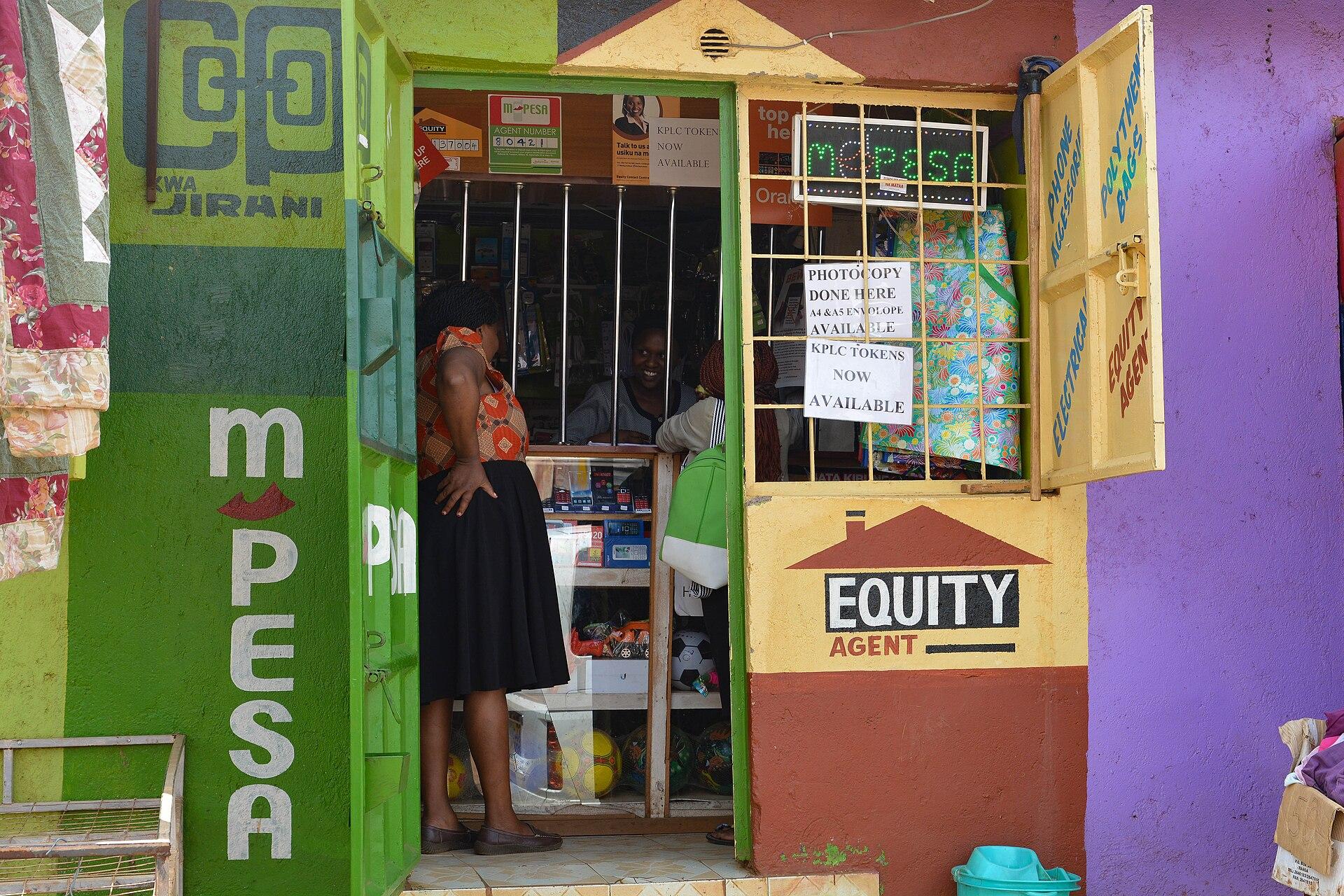
Most of that cash does not stay still once it lands. It moves the moment it touches Kenyan soil, almost always through a phone. Mobile money — M-Pesa above all — is the rail on which a daughter's wire becomes a brother's rent, a cousin's fare, a grandmother's medicine. Safaricom now processes tens of millions of M-Pesa transactions a day, and for a remittance-receiving family the wallet is not a luxury but the household's cash register.
That is why a levy on mobile-money transfers reads differently from abroad. It does not tax the dollars a nurse sends directly, but it raises the cost of every hop that money makes afterwards. A transfer split among three relatives is taxed three times over. For families already stretching each remittance further than it wants to go, a small percentage skimmed at every step is not small at all. The diaspora notices, because the diaspora is the one being asked, gently and repeatedly, to make up the difference.
The cost of staying close
Then there is the other levy, the one on data. For a family separated by an ocean, internet data is not entertainment; it is presence. It is the Sunday call that lets a father see his grandchildren, the WhatsApp voice note that crosses time zones at two in the morning, the photograph of a new baby that arrives before the hospital paperwork does.
A tax on data nudges up the price of all of it. In a country where many buy connectivity in small bundles, day by day, even a modest increase changes behaviour: fewer video calls, shorter ones, more silence between them. The diaspora's relationship with home is mediated almost entirely through a screen and a signal. Make the signal costlier and you tax the bond directly, not the bandwidth.
The arithmetic of anger
Beneath the placards is a hard economic squeeze, and it explains why this is not simply a Nairobi story. By the figures cited in current reporting, young people account for roughly 68 percent of Kenya's unemployed, while overall joblessness sits near 12 percent and living costs keep climbing. Many of those marching are graduates who cannot find work that matches their training.
Much of the pressure traces back to debt. Years of heavy borrowing, a good deal of it for infrastructure, left the government spending a large share of revenue on repayments. To plug the gap it keeps reaching for new taxes, often on the digital services and everyday goods the young depend on. That collision — between creditors abroad and citizens at home — is precisely the gap that remittances have long been quietly filling. Every time the state leans harder on households, a relative overseas feels the request arrive a little heavier than the month before.
What the diaspora is watching
For now, Kenyans abroad are doing what they have always done in moments like this: watching, calling, and sending. President Ruto has shifted to a more conciliatory tone, apologising to young Kenyans for any missteps and launching a youth jobs programme called Climate Worx. Whether that cools the anger is the question hanging over the next two weeks, with the June 25 anniversary and Saba Saba on July 7 both marked on the calendar as likely flashpoints.
What makes this anniversary land so squarely on the diaspora is that the two things being taxed — the transfer and the connection — are the very instruments through which Kenyans abroad love their families from a distance. A bread tax is felt at a Nairobi kitchen table. A mobile-money tax and a data tax are felt at both ends of the line at once: in the home that receives, and in the apartment outside Dallas where a nurse, before she sleeps, sends what she can and hopes the call goes through.
Kenya remains one of Africa's most dynamic economies, and remittances remain its steadiest cushion. But a cushion can only absorb so much. As the placards go up again, the diaspora is watching not only for what happens on the streets, but for what the new arithmetic will ask of them next month, and the month after that.