The Promise on a Payslip: How Kenya's Fight Over 7,414 Health Workers Reaches the Diaspora That Funds the Wards
A standoff between the national government and county bosses over absorbing UHC staff lands on the same scattered families whose remittances quietly keep Kenya's hospitals running.
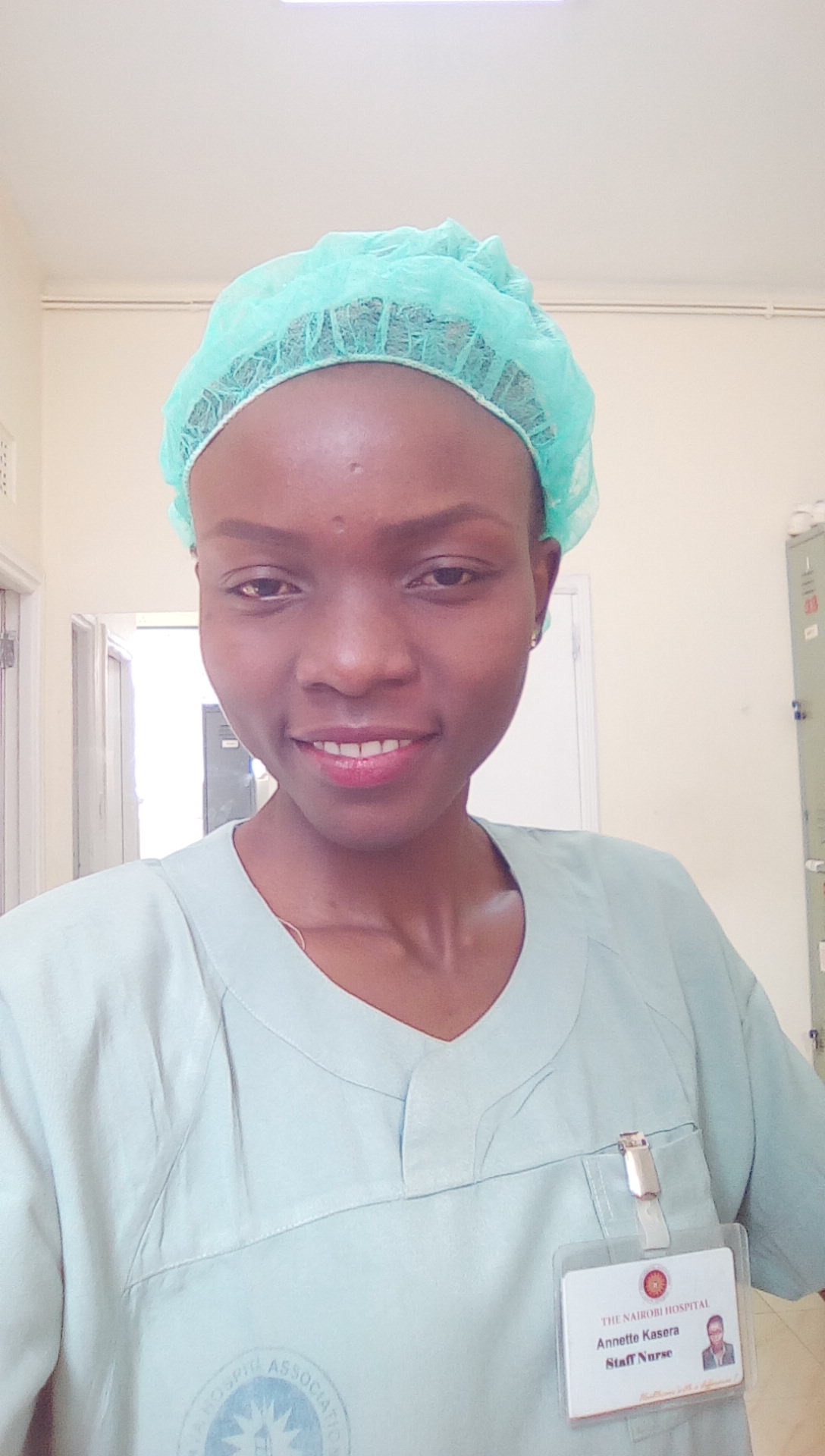
In a county hospital somewhere between Kakamega and Kitale, a public health officer who has worn the same Universal Health Coverage lanyard since the pandemic refreshes her phone between patients. On Saturday she was reading a senator's post telling her not to listen to the people who sign her cheques. By Monday she will still not know whether the contract that expires at the end of this month will be replaced by a permanent job or by nothing at all. She is one of 7,414 health workers caught in a quarrel that has very little to do with medicine and everything to do with who pays for it.
That quarrel went public again over the weekend, and for the roughly four million Kenyans living abroad it is more than a domestic spat. It is a status report on the home they help keep standing.
The Cliff at the End of June
The immediate pressure is a date. Health Cabinet Secretary Aden Duale has confirmed that the contracts of all Universal Health Coverage personnel were extended only until 30 June 2026, following Public Service Commission approval, after a payroll oversight left thousands of workers briefly unsure whether they would be paid at all. That extension is now days from lapsing.
Duale has insisted the government will proceed with absorbing verified staff into permanent and pensionable terms. According to his account, the 7,414 workers identified through a national verification exercise will be split into two groups: those in active service, who are to be formally transitioned, and those with pending disciplinary cases, who face further review and possible removal from the payroll under Public Service Commission rules.
For the workers themselves, the distinction between a permanent post and another short extension is not bureaucratic. It is the difference between a mortgage and a month-to-month existence, between a pension and none.
A Fight Over Who Pays
The obstacle is not whether these workers are needed. It is which level of government carries them on its books. Health in Kenya is a devolved function, meaning counties run most public hospitals, but the UHC programme was launched and funded from the centre.
The Council of Governors has openly opposed moving the workers onto county payrolls now. Tharaka Nithi Governor Muthomi Njuki, who chairs the Council's health committee, called the Ministry's announcement "premature and untimely," arguing that the contracts are still valid and that an earlier intergovernmental agreement required the national government to allocate money under the approved Salaries and Remuneration Commission scales before any transfer. He also complained that the verification report deciding who qualifies was never formally validated or shared with the counties.
The Council says it remains willing to absorb verified staff once the resources have been disbursed and outstanding gratuity payments honoured. Underneath the procedural language is a financing manoeuvre: the governors have proposed shifting UHC money from conditional grants, which are ring-fenced for a stated purpose, into the counties' general equitable share, where it would compete with every other county obligation.
The Workers Lose Patience
Caught between the two governments, the health workers have stopped waiting politely. The Kenya Environmental Health and Public Health Practitioners Union accused the Council of Governors of engineering delay. In a statement on 11 June, its secretary general and chief executive, Brown Ashira, condemned remarks by the Council's finance committee chair, Kakamega Governor Fernandes Barasa, about a supposed lack of funds, and demanded the immediate and unconditional absorption of all active UHC staff, an end to rolling contract extensions, and the prompt release of money to make the transition real.
"We will not retreat, compromise, or negotiate on the dignity of our workers," Ashira said, warning that a failure to honour the agreement could paralyse public health services nationwide.
Into that tension stepped Nandi Senator Samson Cherargei, who on 13 June told the affected staff bluntly to ignore the governors. "To Universal Health Coverage staff under internship, ignore the Council of Governors," he wrote. "You shall be transited to permanent and pensionable terms to continue serving our country." The reassurance, coming from a legislator rather than an employer, captured the strange position the workers occupy: courted by politicians, unpaid by no one in particular.
What the Diaspora Reads in a Payslip
To a Kenyan nurse in Manchester or a clinical officer's sister in Dallas, this is not abstract policy. It is the texture of the country their money sustains. Kenyans abroad sent home a record of roughly 5.04 billion dollars in 2025, the single largest source of foreign exchange the economy has, and a growing share of those transfers goes straight to medical bills, the very costs Universal Health Coverage was designed to absorb.
When the public system wobbles, remittances quietly fill the gap. Every stalled hospital, every health worker who walks off the job, every family forced to pay cash at a private clinic ends up as a request on someone's phone in another time zone. The diaspora does not merely watch Kenya's health debates; it underwrites their consequences.
The Door That Opens When Another Closes
There is a longer arc here, and it bends toward the airport. Kenya trains far more nurses, clinical officers and public health practitioners than its public payroll can absorb. When the state cannot settle even the workers it has already hired, the message to a younger generation is unambiguous: look abroad.
That pipeline is already busy. Recruiters in the United Kingdom, Canada and the Gulf have spent years drawing Kenyan-trained health workers into systems that pay in hard currency and offer the permanence their own government is still arguing about. Every month of uncertainty at home is, in effect, a recruitment advertisement for somewhere else. The same families now sending money back may soon be sending people, joining the established communities of Kenyan medics from Birmingham to Baltimore.
The standoff over 7,414 workers will likely be resolved the way such disputes usually are in Nairobi, with a late-night communiqué and a fresh promise of funds. But the deeper question it raises does not expire on 30 June. It is whether the country can hold on to the people it trains to care for it, or whether it will keep exporting them, one lapsed contract at a time, to the diaspora that is already paying the bills.