The Shot Before the Storm: How a British Bird-Flu Vaccine Trial Reaches Kenya's Nurses Abroad
As the UK begins testing an mRNA vaccine against H5N1, the Kenyan nurses staffing its wards — and a fragile health system back home — have the most at stake.
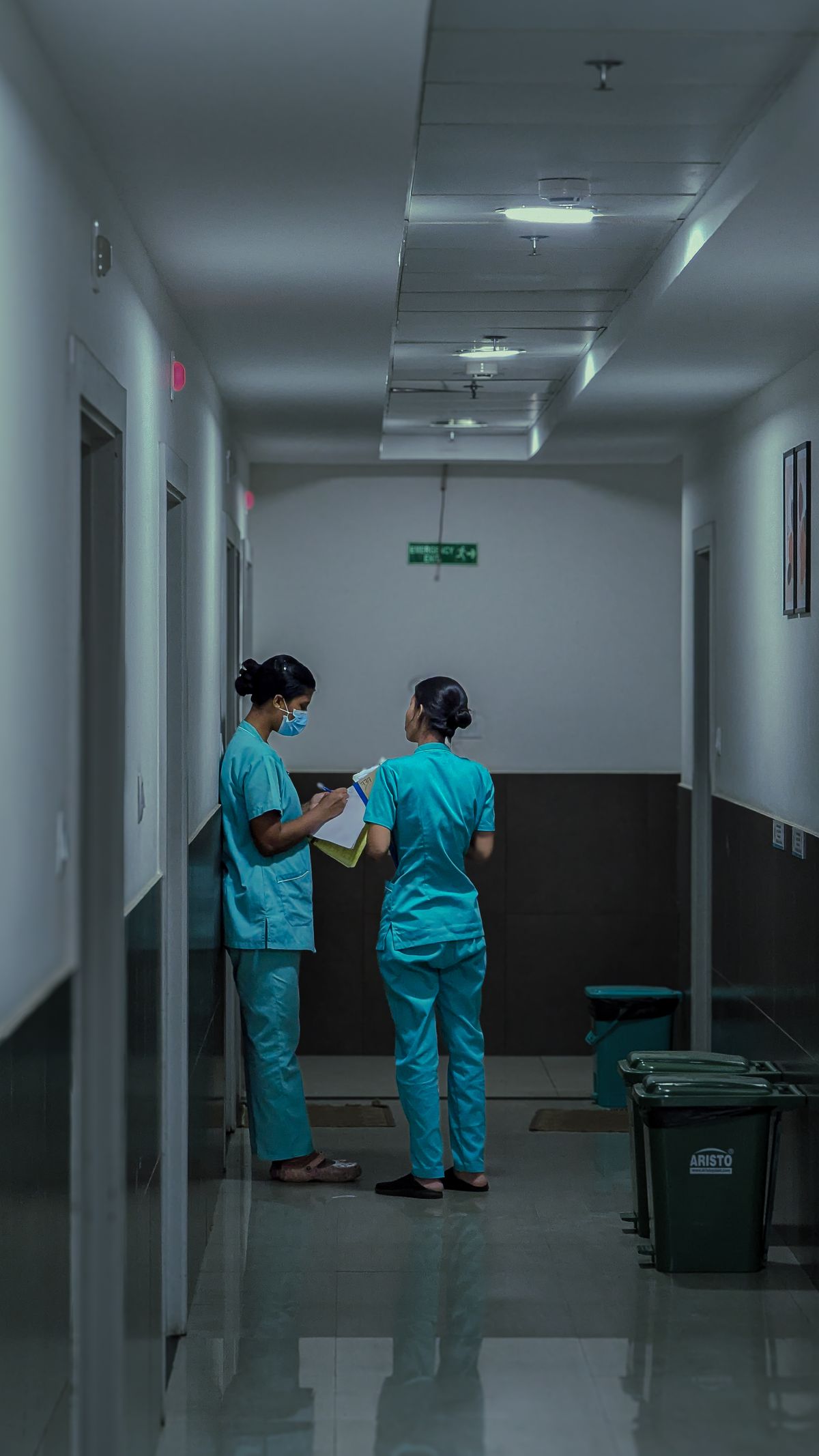
On a night shift somewhere in the English Midlands, a nurse who learned her trade in a Kenyan training college checks a drip, logs a temperature and moves to the next bed. Her parents are asleep in Murang'a, eight time zones and one ocean away, and the money she sends them each month buys school fees and a little dignity. She is one of thousands of Kenyans who keep Britain's hospitals running through the small hours — and, this week, one of the people for whom a quiet piece of laboratory news carries an outsized weight.
That news is the launch of a human trial for a vaccine against H5N1, the strain of avian influenza that has stalked the world's bird flocks for two decades. The trial is being run in the United Kingdom and the United States, and it asks a simple, sobering question: if this virus ever learns to spread easily between people, can the world be ready before the first wave hits?
What the trial actually is
The candidate being tested is mRNA-1018, an mRNA vaccine developed by Moderna and built on the same platform that produced the COVID-19 shots millions received only a few years ago. According to the National Institute for Health and Care Research, which is coordinating the UK arm, the study has moved into a late-stage phase designed to measure how safely the vaccine triggers an immune response in healthy adults aged 18 and over.
The design is deliberately ordinary, which is part of its reassurance. Volunteers receive two injections — one on the first day, a second around three weeks later — while a control group receives a placebo. Researchers then track antibody levels, side effects and tolerability over the following months. The early priority groups are the people most likely to meet the virus first: poultry workers and others in close contact with birds, and adults over 65, who tend to fare worst against influenza of any kind.
Crucially, the project is not purely a British or American venture. The Coalition for Epidemic Preparedness Innovations, a global vaccine-financing body, has committed up to 54.3 million US dollars to push the candidate toward licensure and, just as importantly, to secure equitable access if a pandemic were ever declared. That last clause is the one African health officials read most closely.
Why H5N1 keeps scientists awake
H5N1 has been circulating in wild and farmed birds for years, and the response has usually been blunt: the culling of millions of chickens and ducks wherever it appears. Human infections have been comparatively rare, almost always among people in direct contact with sick animals, and there is still no confirmed, sustained human-to-human transmission.
What unsettles virologists is the arithmetic of the cases that have occurred. Roughly half of the people known to have been infected with H5N1 have died — a fatality rate that dwarfs seasonal flu and even most pandemic scenarios. The virus has also been widening its range, jumping into mammals in ways that give it more opportunities to mutate. None of that means a pandemic is coming. It means the cost of being unprepared, should one arrive, would be unusually high. A vaccine trial begun in calm is far cheaper than one begun in crisis, as the COVID-19 years taught every health ministry on earth.
The Kenyan workers on the front line
For the Kenyan diaspora, this is not an abstract global-health headline. It lands on people they know. Britain has spent recent years actively recruiting Kenyan nurses through a bilateral health-worker agreement, and Nairobi has spoken of deploying as many as 20,000 nurses to the UK, even as administrative delays have slowed the pipeline well below that ambition. Kenya is not short of candidates: health officials say a single recent cohort produced more than 22,000 graduates from the Kenya Medical Training College, many of whom now look abroad because jobs at home are scarce.
The result is a generation of Kenyan health workers embedded in exactly the institutions that would be first to confront a flu pandemic — NHS wards, care homes, emergency departments. If H5N1 ever crossed into humans at scale, these nurses would not be bystanders to the vaccine question; they would be among the first asked to take the shot and the first exposed if it failed. A trial running today in the same health system that employs them is, in the most direct sense, about their working lives.
A thinner safety net back home
The other half of the diaspora's attention is fixed on Kenya itself. The country's health infrastructure remains stretched, with rural counties in particular short of the oxygen, surveillance and cold-chain capacity that a respiratory pandemic would demand. Diaspora families know this intimately, because they are often the ones wiring money home when a relative is hospitalised and the public system cannot cope.
This is why the CEPI funding clause matters beyond the laboratory. The painful memory of the COVID-19 rollout — when wealthy nations secured doses months ahead of African ones — still shapes how the continent reads every new vaccine announcement. A trial that builds equitable distribution into its financing from the outset is a partial answer to that grievance. Whether the promise survives contact with a real emergency is the question health advocates in Nairobi and the diaspora alike will keep asking.
What diaspora families should watch next
For now, nothing about the trial demands action from Kenyans abroad. There is no outbreak among people, no travel restriction, no vaccine to queue for. The sensible posture is the one public-health officials themselves are modelling: calm vigilance rather than alarm.
But there are markers worth following. The first is whether the trial's safety and immune-response data, expected over the coming months, are strong enough to justify stockpiling. The second is whether Kenya secures a place in any access agreement, rather than waiting at the back of the line as it did in 2021. And the third is closer to home for every remittance-sending family: whether the nurses who left Nyeri and Kisumu and Machakos for hospitals abroad are protected as well as the patients they care for.
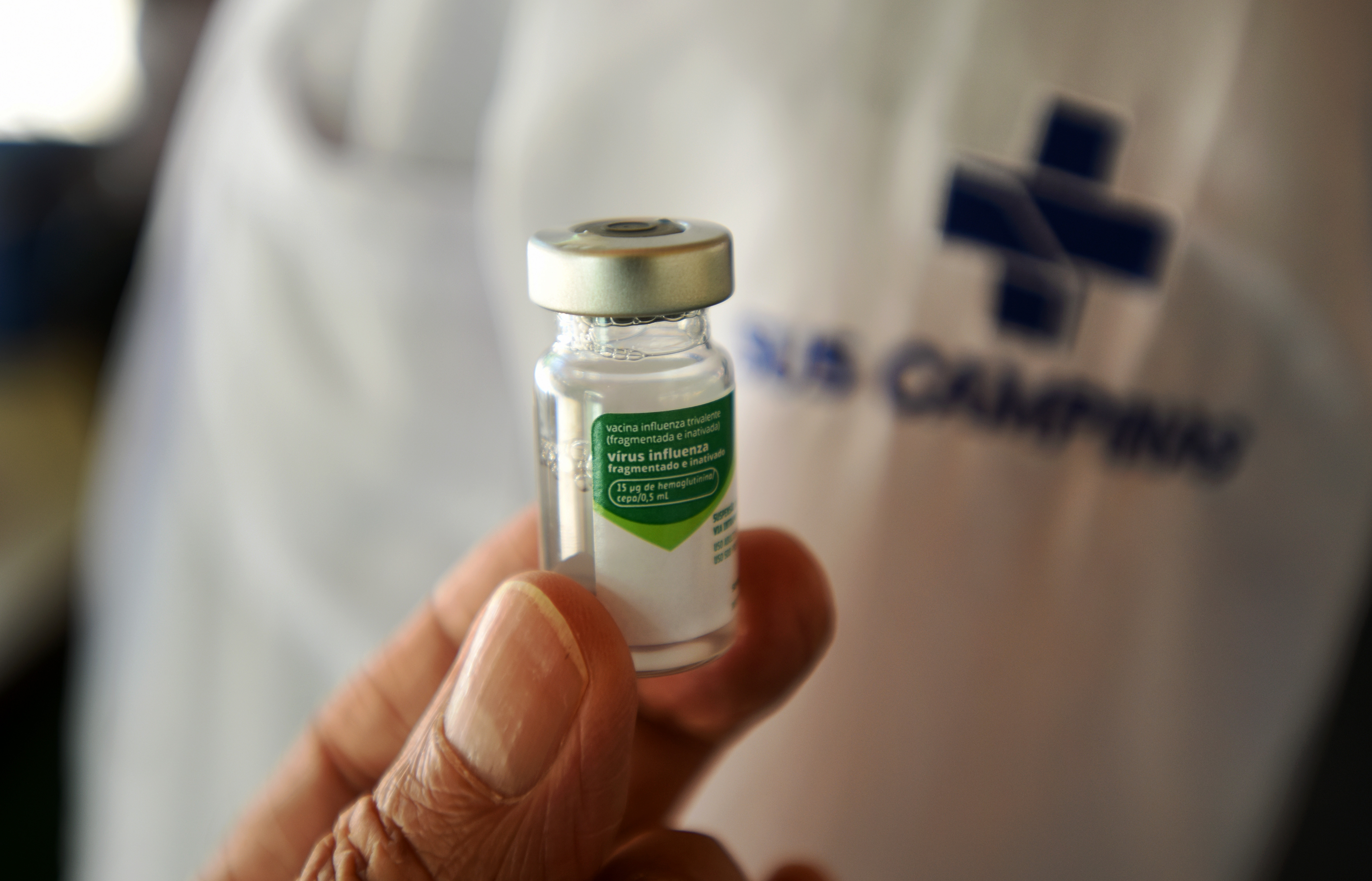
A vaccine vial photographed in a clinic is an undramatic image. For the Kenyan nurse finishing her night shift in the Midlands, and for the parents waiting on her next transfer, it may yet prove one of the more consequential objects of the year.