The Wastewater Doesn't Lie: How Kenya's 4.7 Million Drug Survey Reaches the Families Who Send Money Home
A new NACADA survey says one in six Kenyans aged 15 to 65 now uses a drug or substance. For the diaspora that bankrolls households back home, the numbers are personal.
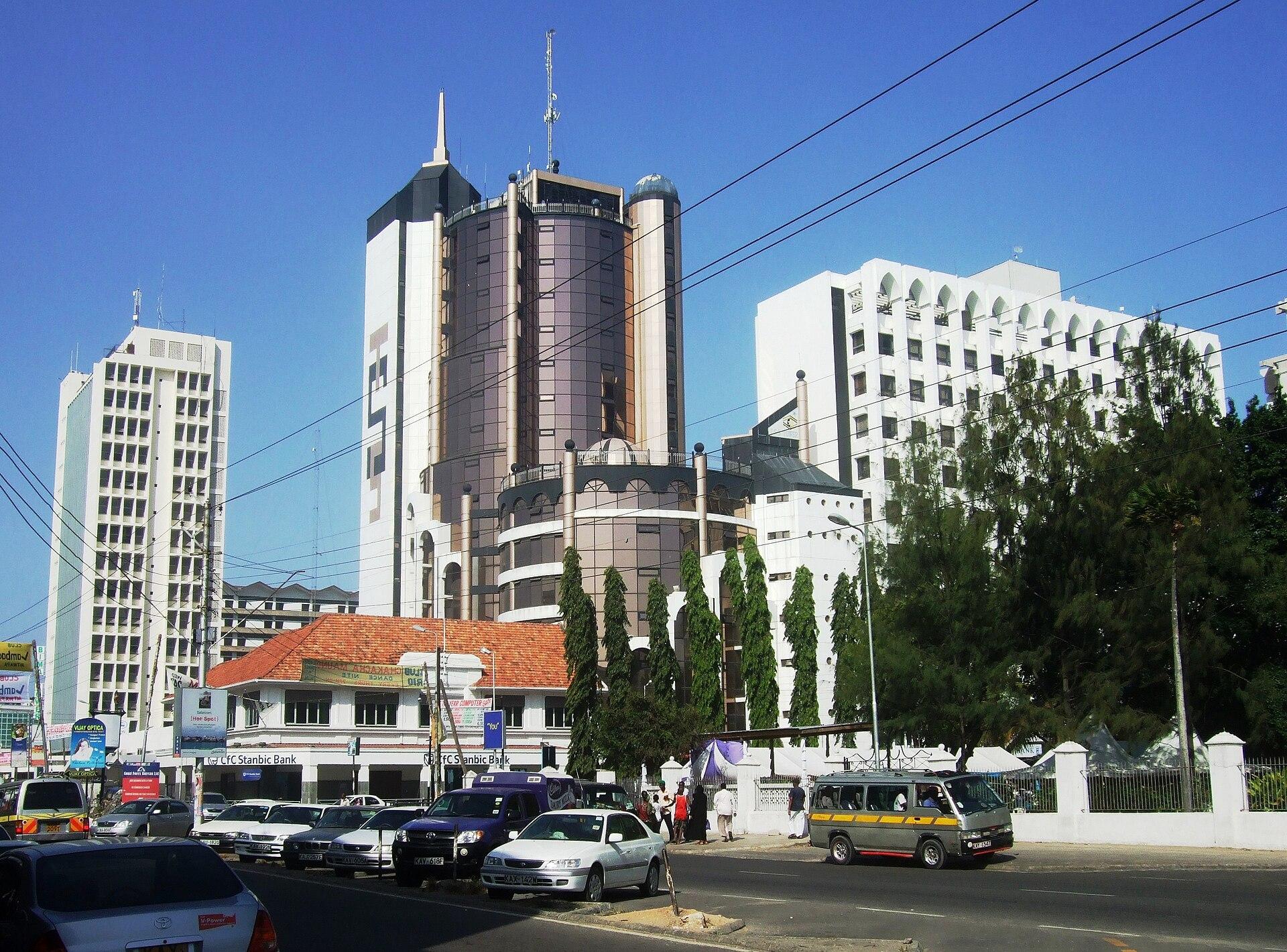
A Rehab Centre by the Sea
The people charged with measuring Kenya's drug problem gathered, this week, where it is most visible. The national commemoration of the International Day Against Drug Abuse and Illicit Trafficking was held at the Miritini Treatment and Rehabilitation Centre in Mombasa County, under a theme that read almost like an admission: "World Drug Problem: Persisting Issues, New Challenges, Innovative Responses." Officials, anti-drug agencies, community leaders and recovery advocates filled the room. The setting was not incidental. The Coast is, by the government's own new figures, the part of Kenya where addiction has dug in deepest.
The occasion for the gathering was a number. According to the latest survey by the National Authority for the Campaign Against Alcohol and Drug Abuse, NACADA, about 4.7 million Kenyans aged between 15 and 65 are currently using at least one drug or substance of abuse — roughly one in every six adults in that age band. For a country whose population skews young and whose economy leans heavily on that young workforce, the figure sits somewhere between a health statistic and an economic warning.
One in Six, and Where They Live
The survey's regional breakdown is what gives the headline its edge. The Coast region recorded the highest prevalence at 29.3 percent, with Mombasa County emerging as the most affected at 34.4 percent — meaning roughly a third of working-age residents there report using a drug or substance. Alcohol remains the most widely abused substance nationally, and a meaningful share of users report taking more than one substance at a time, a pattern that complicates treatment and raises the risk of overdose.
Principal Secretary for Internal Security and National Administration Raymond Omollo pushed back against reading the survey as a spreadsheet. "These are not just statistics. They represent our children, our brothers and sisters, our colleagues, and our future workforce," he told the gathering, adding that behind every number was "a life that can either be lost to addiction or restored through timely intervention and support." It was a deliberate framing, and one that travels well beyond Mombasa.
The Diaspora's Quiet Stake
For the millions of Kenyans living abroad, that framing is not abstract. The diaspora is now one of the country's largest sources of foreign exchange, sending home record sums each year — money that pays school fees, rent, hospital bills and, increasingly, the cost of private rehabilitation for relatives whose families could not otherwise afford it. A survey about who is using drugs in Kenya is, indirectly, a survey about where some of those transfers end up.
The connection runs in more than one direction. Many households are headed, in practice, by a parent or sibling working in the Gulf, the United Kingdom or North America while teenagers grow up in Nairobi, Mombasa or rural homes under the care of relatives. Distance complicates supervision; remittance income, sent with the best intentions, can also widen a young person's spending power in ways that are hard to monitor from another time zone. Diaspora parents have spoken for years, in community forums and family WhatsApp groups, about the difficulty of raising children they mostly see on a screen.
There is a workforce angle, too. Kenya's steady export of nurses, clinical officers and counsellors to better-paying health systems abroad — a trend this publication has followed through Britain's care-worker shortages and Gulf recruitment drives — thins the very pool of professionals a treatment-and-rehabilitation strategy depends on. The country is being asked to expand mental-health and addiction services at the same moment that many of its trained carers are boarding flights out.
The Supply Side
The demand figures arrived alongside a reminder of scale on the supply side. The government's renewed crackdown follows the recent seizure of 1,024 kilograms of crystal methamphetamine, valued at about 8.2 billion shillings, in the Indian Ocean — described as one of the largest narcotics interceptions in the country's history. Interior Cabinet Secretary Kipchumba Murkomen said authorities would keep pursuing traffickers through better intelligence and inter-agency cooperation. "Our message is clear. We will continue to strengthen intelligence gathering, enhance inter-agency cooperation, and pursue traffickers relentlessly wherever they operate," he said.
That interception underlines a point diaspora readers know from the destination side: the trafficking routes that touch the Kenyan coast feed markets far beyond it. The Coast's prevalence figures are not only a local story; they sit on a corridor that links East Africa to the wider world, and to the same global drug economy that diaspora communities encounter in their host cities.
New Tools, an Old Problem
If there was a note of innovation, it came from NACADA's board chairman, Bishop Dr Stephen Mairori, who described the agency's move toward wastewater analysis — testing sewage to estimate drug consumption across a population in near real time, a technique already used in some European and American cities. "If the drug problem is changing, our responses must change with it," he said. The method promises faster, less stigmatising data than door-to-door surveys, though it measures only consumption, not the people behind it.
The officials were united on one point: the state cannot do this alone. Speakers urged parents, schools, religious institutions and the private sector to take active roles in prevention, and the agency used the day to promote a national schools essay competition, recognising a secondary-school student from Mombasa for writing on the role of parents and communities in shielding learners from drugs. It was a small gesture against a large number, but a telling one — an acknowledgement that the response has to reach into homes, including the many homes that are now run, at least partly, from abroad.
What the Number Asks of People Abroad
For the diaspora, the survey is less a call to alarm than to attention. Remittances can fund treatment, but they can also paper over problems that are easier to wire money at than to confront in person. The families most able to pay for a private bed at a centre like Miritini are often the ones with a relative sending dollars or pounds home; the families with the least are the ones the public system is straining to reach. A national figure of 4.7 million is, in the end, an aggregation of individual households — many of them now stretched across continents, held together by phone calls and money transfers.
Omollo's line about lives "lost to addiction or restored through timely intervention" was aimed at a room in Mombasa. But it describes a decision that plays out, quietly, in diaspora living rooms too: whether the next transfer home arrives with a difficult conversation attached, and whether the distance that makes the money possible also makes the warning signs easy to miss.