The Price of the Oath: Why a 75% US Citizenship Fee Hike Could Stall a Generation of Kenyan Green-Card Holders
A proposed rule would raise the naturalisation fee to $1,330 and scrap waivers for low-income applicants — a quiet barrier for diaspora workers.
The Form on the Kitchen Table
For the permanent resident who has finally decided to become an American, the journey usually narrows to a single document: Form N-400, the application for naturalisation. It is a long form, and somewhere in its pages sits a line that, until now, has quietly decided whether citizenship was affordable that year or postponed to the next — the fee, and the box that let lower-earning applicants ask for a reduction or a waiver.
For thousands of Kenyans who have spent years in the United States on green cards — many of them nursing assistants, care aides, drivers and warehouse workers — that box has been the difference between filing this spring and waiting another twelve months. A proposal published in Washington on 23 June would erase it.
What the Proposal Actually Changes
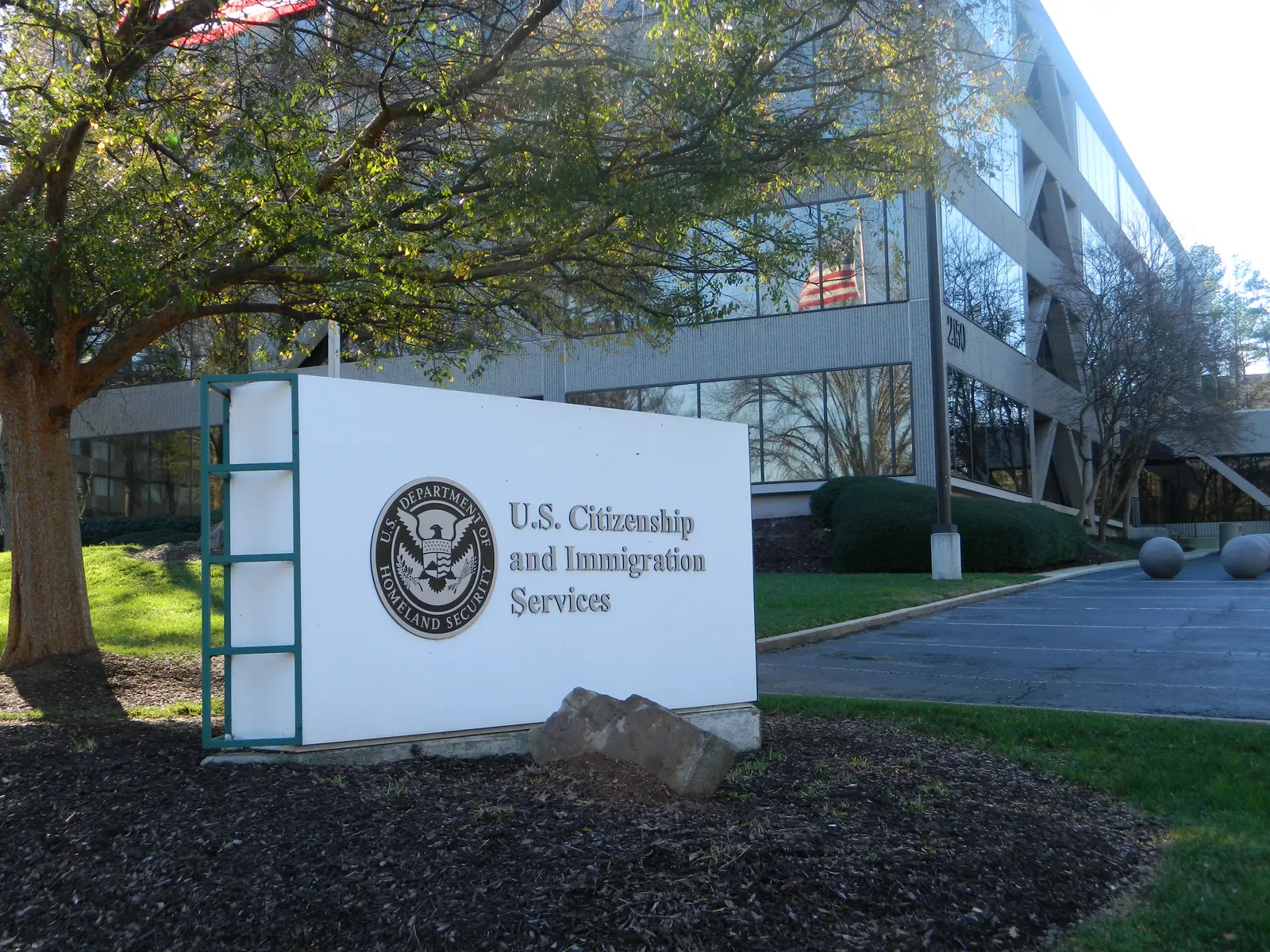
The Department of Homeland Security and U.S. Citizenship and Immigration Services have issued a Notice of Proposed Rulemaking that would sharply raise the cost of becoming a citizen. The fee for a paper N-400 would climb from $760 to $1,330 — an increase of roughly 75 percent. Filing online would rise to about $1,280. The fee to appeal a denied application, Form N-336, would jump from $830 to $1,475 on paper.
DHS frames the change as a matter of cost recovery. Officials argue that earlier administrations deliberately held naturalisation fees below the true cost of processing applications to encourage people to take the oath, and that the shortfall has effectively been subsidised by fees paid for other immigration services. The new rule, they say, would make applicants pay closer to the full price of their own cases.
The End of the $380 Door
The number that has drawn the sharpest reaction is not the headline $1,330. It is $380.
Under the current system, an applicant earning up to 400 percent of the federal poverty guidelines can pay a reduced fee of $380, and those in genuine hardship can apply for a full waiver. The proposed rule would eliminate both the reduced fee and the waiver for the naturalisation form and its appeal. After the change, the only people exempt from payment would be current and former members of the armed forces, who are protected by separate federal law.
In practice, that removes the rung of the ladder that many working immigrants have used. A worker on a modest hourly wage could previously assemble $380 and a careful budget; finding $1,330 in a single payment, on top of the costs of documents, photographs and time away from work, is a different proposition entirely.
DHS has argued that low-cost or free filings may tempt ineligible people to apply. Critics see it differently. Aaron Reichlin-Melnick of the American Immigration Council has noted that U.S. governments have for decades kept citizenship fees comparatively low precisely to encourage eligible permanent residents to naturalise, and has warned that a steep increase could discourage many of them from ever completing the step.
Why It Lands Hard on the Kenyan Diaspora
Kenyans are among the more established African communities holding green cards in the United States, concentrated in metropolitan areas such as the Dallas–Fort Worth region, the Twin Cities, Atlanta, Boston and the Washington–Baltimore corridor. A large share work in health and social care — sectors built on steady but unspectacular wages, where the reduced fee and the waiver were not abstractions but the actual mechanism by which citizenship was reached.
Citizenship, for this group, is rarely about sentiment alone. It unlocks the right to vote, the ability to sponsor a spouse or parent without the long delays green-card holders face, eligibility for certain federal jobs, and a measure of protection from the shifting winds of immigration enforcement. Each year a naturalisation application is deferred for want of $1,330 is a year of that security delayed.
There is also the household mathematics familiar to any diaspora family: remittances wired home to Nairobi, Kisii or Eldoret, school fees for relatives, and a mortgage or rent in an expensive American city. A fee that nearly doubles competes directly with those obligations, and for many households it will lose the contest — not because citizenship matters less, but because rent and a sibling's tuition fall due sooner.
A Shadow of Denaturalisation
The fee proposal does not arrive in isolation. In recent months the Department of Justice has signalled plans to pursue hundreds of denaturalisation cases — efforts to strip citizenship from naturalised Americans accused of fraud or concealment during their original immigration process. Separately, USCIS has unsettled communities by suggesting that some green-card holders might be required to complete their applications from outside the country rather than through the long-standing Adjustment of Status process, though officials later indicated exceptions would exist for those deemed to serve national or economic interests.
For a Kenyan permanent resident weighing whether to apply, the signals can read as contradictory. Citizenship is being made more expensive at the very moment that the value of finally holding it — as a shield against an increasingly assertive enforcement system — feels greater than ever.
Sixty Days to Be Heard
None of this is yet law. The measure has been published as a proposed rule, which opens a 60-day public comment period; written comments are due by 24 August. The administration is required to consider those comments before deciding whether to adopt, amend or abandon the changes. Until any final rule takes effect, the existing fees, the $380 reduced option and the hardship waiver all remain available.
That window matters. Immigration lawyers and diaspora advocates are already urging eligible permanent residents who have been postponing their applications to consider filing under the current rules rather than gambling on the outcome. Community organisations that serve Kenyans abroad — the same networks that circulate news of deaths, weddings and job openings — are likely to spend the coming weeks translating a dense federal document into a single practical question for their members: file now, or risk paying nearly twice as much later.
For families who measured the distance to citizenship in $380 increments, the proposal has already changed the arithmetic. Whether it changes the law will depend on who speaks up before the comment period closes.