Grace, Not a Right: How a New US Memo Could Push Kenyans to Leave America to Win a Green Card
A May policy memo recast green cards filed from inside the US as 'extraordinary' relief. For Kenyans who overstayed a visa, the safest path home may now be the most dangerous one.
The question was new, and it unsettled the room. In green card interviews across the United States this spring, attorneys began reporting that their clients were being asked something they had not heard before: why had they chosen to apply for permanent residence from inside the country, rather than from a consulate back home? For a Kenyan nurse in Texas or a software engineer in Massachusetts who had done everything by the book, the question landed like a trapdoor. The path they had been told was theirs — filing the paperwork, attending the interview, waiting for the card — was suddenly being described as a privilege rather than a right.
That shift traces back to a single document, and its consequences are now rippling through Kenyan households on both sides of the Atlantic. The change is technical, buried in the language of administrative law. But for the tens of thousands of Kenyans building lives in America, it touches the most basic question a migrant can ask: can I stay?
The memo that changed the question
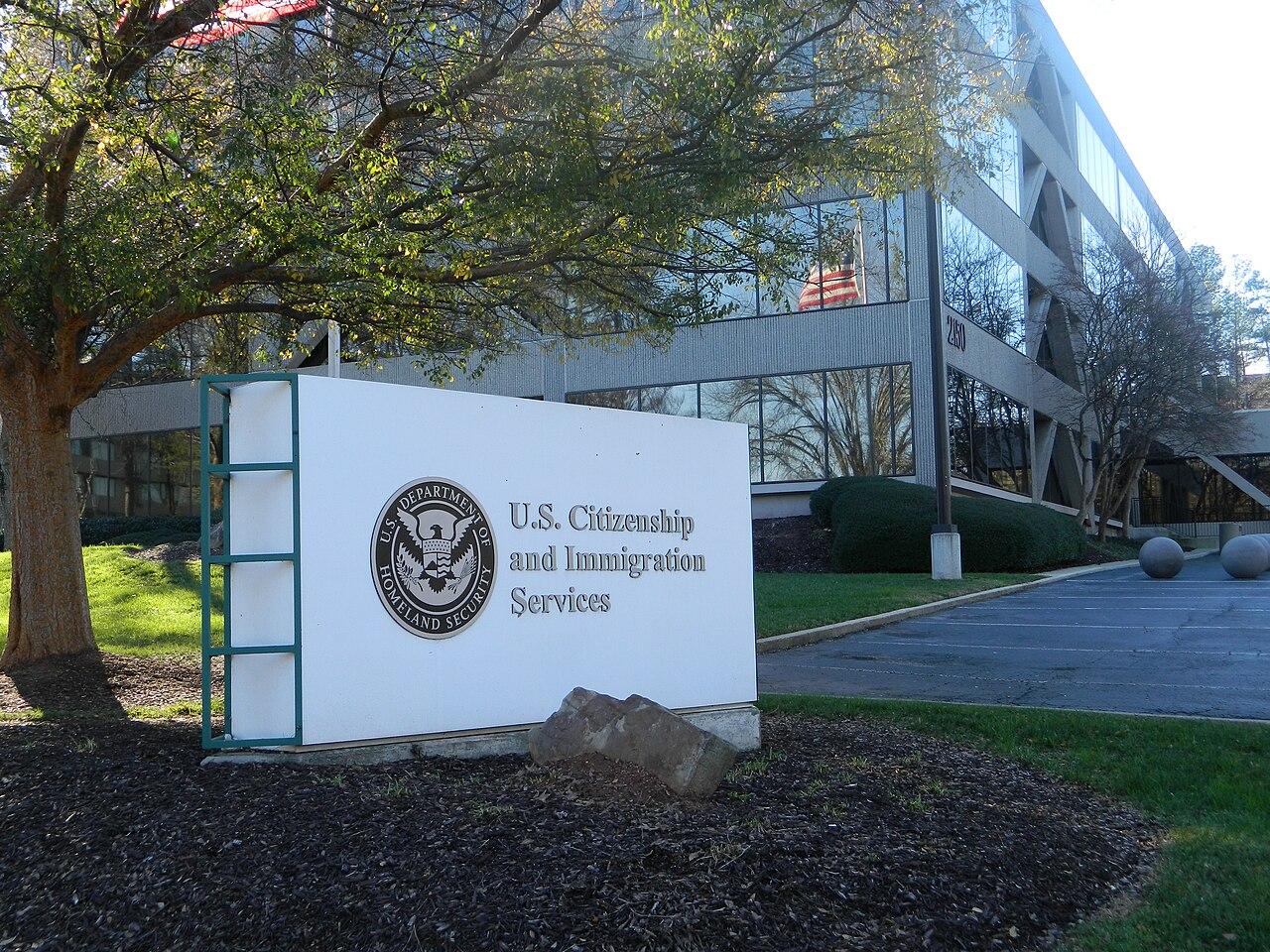
On May 21, U.S. Citizenship and Immigration Services issued a policy memorandum, numbered PM-602-0199, concerning green card applications filed from within the United States. The agency framed it as a reminder to its officers about existing law. But the memo did something more consequential: it instructed that requests to adjust status inside the country should be treated as "extraordinary discretionary relief" and an "act of administrative grace."
In plain terms, the government was reclassifying a routine process as an exception. According to an analysis by the American Immigration Council, the memo sets a higher bar for approval than has ever been used before, even though it does not explicitly order officers to deny any particular category of applicant. Among the factors officers are now told to weigh heavily against an applicant is having overstayed the period allowed by a temporary visa or parole — a situation that describes a significant share of people who have lived in the country for years.
What "adjustment of status" means for Kenyans
The process at the center of the dispute is called adjustment of status, and it has been part of American immigration since Congress created it in 1952. It allows people already living in the United States to become lawful permanent residents without leaving. The alternative, consular processing, requires applying for an immigrant visa at a U.S. embassy or consulate abroad and then being admitted.
The scale is enormous. About one million people obtain lawful permanent residence in the United States each year. In the 2023 fiscal year, more than 608,000 did so by adjusting their status from within the country, slightly more than the number who arrived from abroad. For Kenyan families, this is not an abstraction. The United States hosts one of the largest Kenyan diaspora populations in the world and is the single biggest source of the remittances that have become a pillar of Kenya's economy. Many of those dollars come from people whose own status is still pending — exactly the group the memo touches.
The trap hidden in leaving
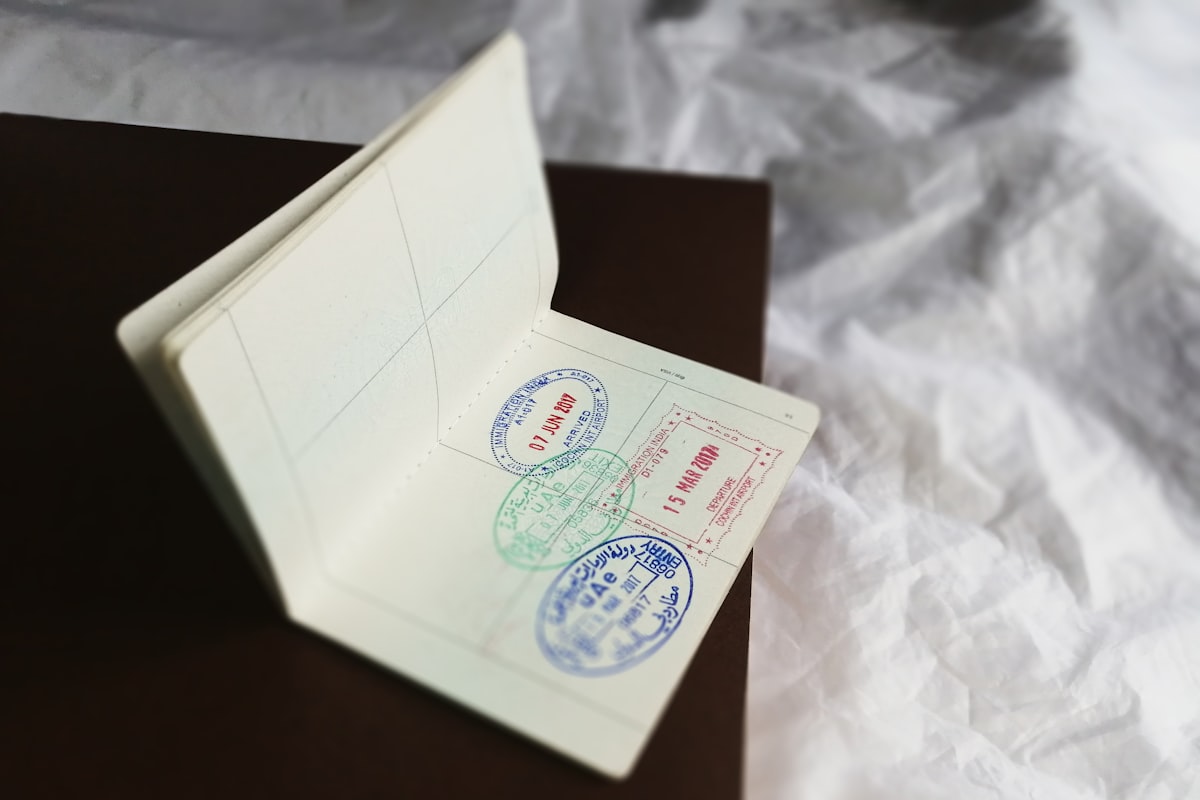
The cruelty of the situation, immigration lawyers say, is that telling someone to "just apply from home" is rarely simple. Under longstanding American law, a person who has accumulated months or years of unlawful presence and then leaves the country triggers re-entry bars of three or ten years. The act of departing to do things the "right way" can be the very thing that locks the door behind them.
Kenya, notably, is not among the 75 countries currently subject to the State Department's indefinite pause on immigrant visa processing — a point Kenyan officials have stressed. That means consular processing technically remains open to Kenyan nationals, unlike for citizens of several neighbouring states. But an open consulate does not erase the bars. A Kenyan who overstayed a student or work visa and is married to a U.S. citizen could still face years of forced separation if compelled to finish the process in Nairobi. For mixed-status families, the calculation becomes agonising.
Mixed signals from Washington
Part of what has fuelled anxiety is that the government itself has not spoken with one voice. After the memo provoked alarm, the Department of Homeland Security said it did not create an automatic requirement for everyone and that officers would assess cases individually. Reporting in late May indicated the policy would be applied on a case-by-case basis. On the same day the guidance appeared, USCIS suggested that applicants who provide an "economic benefit" or serve the "national interest" might remain on their current path — language that may shield some employment-based cases.
Yet the agency has not clarified the questions that matter most to families: whether the memo applies to applications already filed, who will face the heaviest scrutiny, and whether any group will be quietly shut out altogether. That silence, rather than any single announcement, is what has spread unease through community WhatsApp groups and church halls from Lowell to Dallas.
What Kenyan families are weighing
For the diaspora, the memo arrives on top of an already tense year. Kenyans abroad have watched a widening immigration squeeze — deportation lists, visa restrictions, and tighter scrutiny of legal pathways — and many now treat every new directive as a reason to consult a lawyer before travelling, renewing, or filing. The practical advice circulating among Kenyan immigration advocates is consistent: do not leave the country on the assumption that a green card abroad is a formality, and do not file anything without understanding how the new discretion standard might read your particular history.
The economic stakes reach back home, too. Remittances from Kenyans abroad have climbed to record levels, and a meaningful share originates in the United States. Anything that destabilises the status of Kenyan workers there — pushing them into limbo, or out of the country entirely — is felt in school fees paid in Nakuru and clinic bills covered in Kisumu.
The legal fight ahead
The memo is widely expected to be challenged in court. Advocates argue that adjustment of status was established by Congress and used by administrations of both parties for more than seventy years, and that recasting it as a rare act of grace through internal guidance — without formal rulemaking or public comment — stretches executive authority past its limits. Whether judges will pause the policy while any lawsuit proceeds is far from certain.
Until the courts weigh in or clearer guidance appears, Kenyans in America are left to navigate a process that has not formally changed on paper but feels different in every interview room. The forms are the same. The fee is the same. What has shifted is the unspoken premise beneath it all — that staying was always an option. For families who crossed an ocean to build something lasting, that is the most destabilising change of all.