The Price of Belonging: How Washington's $570 Citizenship Fee Hike Reaches Kenyan Kitchens in America
A proposed US rule would raise naturalization fees by $570 and scrap waivers for low-income applicants — a quiet shock for Kenyan green-card holders weighing the leap to citizenship.

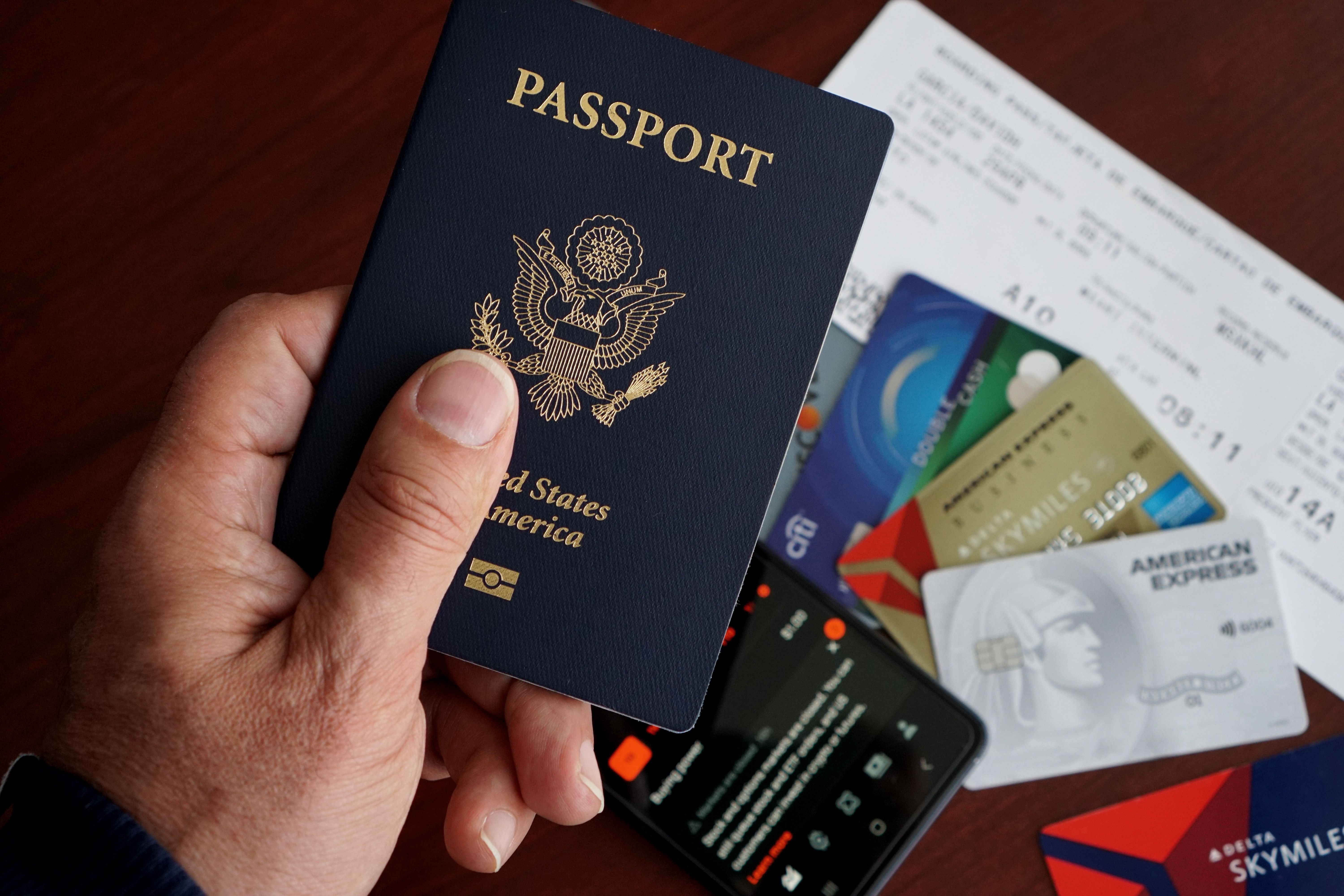
The form sits on a lot of kitchen tables right now. Form N-400, the Application for Naturalization, printed out beside a stack of pay stubs or left open in a browser tab somewhere between a night shift and the morning school run. For tens of thousands of Kenyans who have built quiet, durable lives in Minneapolis, Dallas and Atlanta, that single document has long been the last sheet of paper standing between a green card and an American passport. This week, Washington proposed making it a good deal more expensive to file.
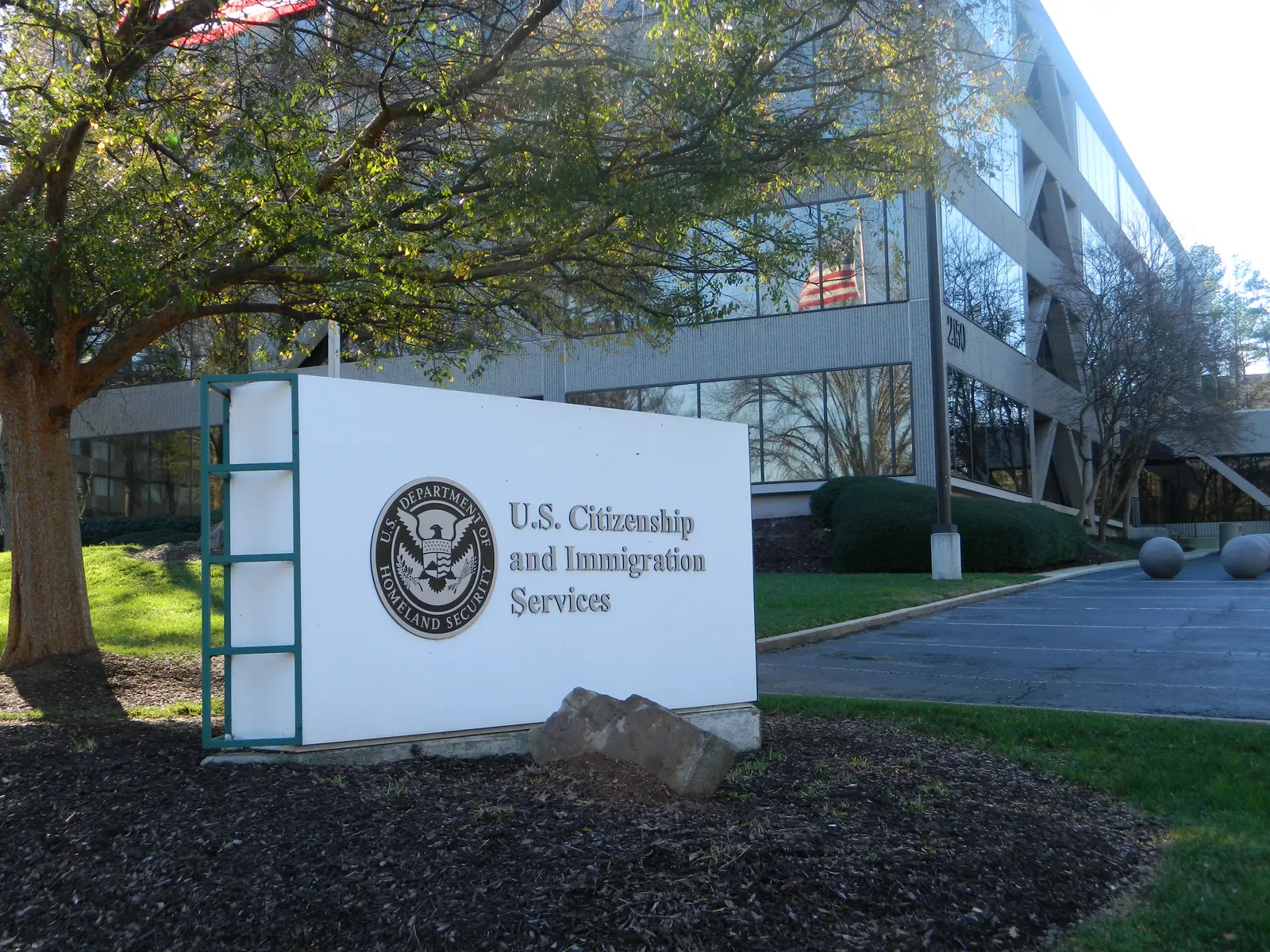
On Monday, U.S. Citizenship and Immigration Services unveiled a draft regulation that would raise the cost of applying for citizenship by about $570 and, in a move that worries community advocates far more, eliminate the fee waivers and reductions that have allowed lower-income immigrants to naturalize without choosing between the application and the rent. For a community that prides itself on patience — the years of green-card waiting, the civics flashcards, the careful saving — the proposal lands as a reminder that the goalposts can still move late in the game.
A 75% Jump, and the End of the Waiver
The numbers are blunt. Under the proposed rule, the fee for a paper naturalization application would rise from $760 to $1,330, and the online filing fee from $710 to $1,280 — an increase of roughly 75 percent, or about $570 either way. The fee to ask USCIS to reconsider a denied citizenship case would jump by some $645.
More consequential than any single figure is what disappears. The plan would scrap fee waivers for citizenship applicants altogether, along with the reduced-fee option currently available to immigrants whose household income sits at or below 400 percent of the federal poverty line. In practice, that reduced rate has been the difference-maker for many working families. The one carve-out that survives is for active and former service members, who would remain exempt.
None of this is law yet. The changes are part of a Notice of Proposed Rulemaking published in the Federal Register, which means the public has a 60-day window to file comments for or against before anything is finalized. But the direction of travel is unmistakable, and for households already budgeting to the dollar, even a proposal is enough to force a calculation.
Why Washington Says the Price Must Rise
The Department of Homeland Security, which oversees USCIS, frames the increase as a matter of arithmetic rather than politics. Unlike most federal agencies, USCIS is funded almost entirely by the fees it collects, and the department argues that applicants should now cover the full cost of processing their cases — a "beneficiary-pays" model, in the agency's language.
DHS acknowledges that previous administrations deliberately kept naturalization fees low, relative to other immigration benefits, in order to encourage citizenship and integration. The current administration, it says plainly, has chosen a different path. "DHS no longer believes naturalization benefit requests should get lower fees at the potential expense of other immigration benefits," the agency wrote in its proposal.
The fee hike does not arrive in isolation. It sits alongside a broader tightening of the citizenship process: a revived practice of "neighborhood checks," in which officers may speak to an applicant's neighbors and coworkers; a more aggressive reading of the long-standing "good moral character" requirement; and an expansion of efforts to denaturalize foreign-born citizens accused of obtaining status through fraud. Critics see the pieces fitting together. "The only credible explanation for jacking up citizenship fees in isolation is that Trump 2.0 is in a hurry to create even more undue barriers for legal immigrants," said Doug Rand, a former senior USCIS official, in remarks to CBS News.
What It Means in Minneapolis, Dallas and Atlanta
The United States is home to the largest Kenyan diaspora in the world — an estimated 157,000 people, concentrated in metro areas like Minneapolis, Dallas and Atlanta. Many arrived for university or work and stayed, threading their way through student visas, employment authorizations and, eventually, the green card. They are nurses and certified nursing assistants, truck drivers, software contractors, small-business owners. They are also, collectively, the single biggest source of the remittances that keep households back home afloat.
For a Kenyan couple in suburban Minnesota who both hold green cards and had planned to naturalize together, the proposed rule does not just add $570. It potentially adds more than $1,100 to a shared household goal, and removes the safety valve that lower-income filers once relied on. The applicants most exposed are precisely those for whom the old waiver existed: the family living near the poverty line, the recent widow on a single income, the young worker sending money home each month who had been saving the application fee in increments.
There is a psychological cost too. Permanent residents are not merely waiting in a longer line; in an era of intensified scrutiny and high-profile denaturalization cases, many in the diaspora describe citizenship as the only status that feels genuinely secure. Raising the toll at that final gate, advocates argue, risks leaving people stuck in a more precarious tier for longer than they intended.
A Comment Window, Not a Done Deal
It bears repeating that the proposal must still travel through the rulemaking process before it can take effect, and the 60-day comment period is a real opportunity for the public — including immigrant-rights organizations, employers and individual applicants — to weigh in. Past fee rules have been revised, delayed and, in some cases, blocked in court.
Immigration attorneys tend to give the diaspora the same practical counsel in moments like this: if you are already eligible and your paperwork is in order, the calculus may favor filing under the current fee schedule rather than gambling on what the final rule will say. Eligibility itself has not changed — most green-card holders qualify after three or five years, must pass the English and civics tests, and must show good moral character. What has changed is the price tag, and the cushion that used to soften it.
The Quiet Math of Citizenship
In the end, the debate over a few hundred dollars is really a debate about who gets to belong, and how easily. For the Kenyan diaspora in America, naturalization has never been only about a passport. It is about voting in the country where one's children are growing up, about the freedom to leave and return without fear, about sponsoring a parent or sibling still in Nairobi or Eldoret, about no longer feeling that one's place is provisional.
The proposed rule does not close that door. But it makes the threshold higher, and it does so quietly, in the language of cost recovery and Federal Register notices rather than headlines. Somewhere in Minneapolis tonight, a form is still sitting on a kitchen table. The question its owner now has to answer is no longer simply whether they are ready — but whether they can still afford to be.