The Price of Belonging: How a Proposed US Fee Hike Could Put Citizenship Out of Reach for Kenyan Green-Card Holders
A DHS proposal would raise naturalisation fees by roughly 75 percent and scrap waivers for low-income applicants — a quiet rule change with loud consequences for Kenyans abroad.
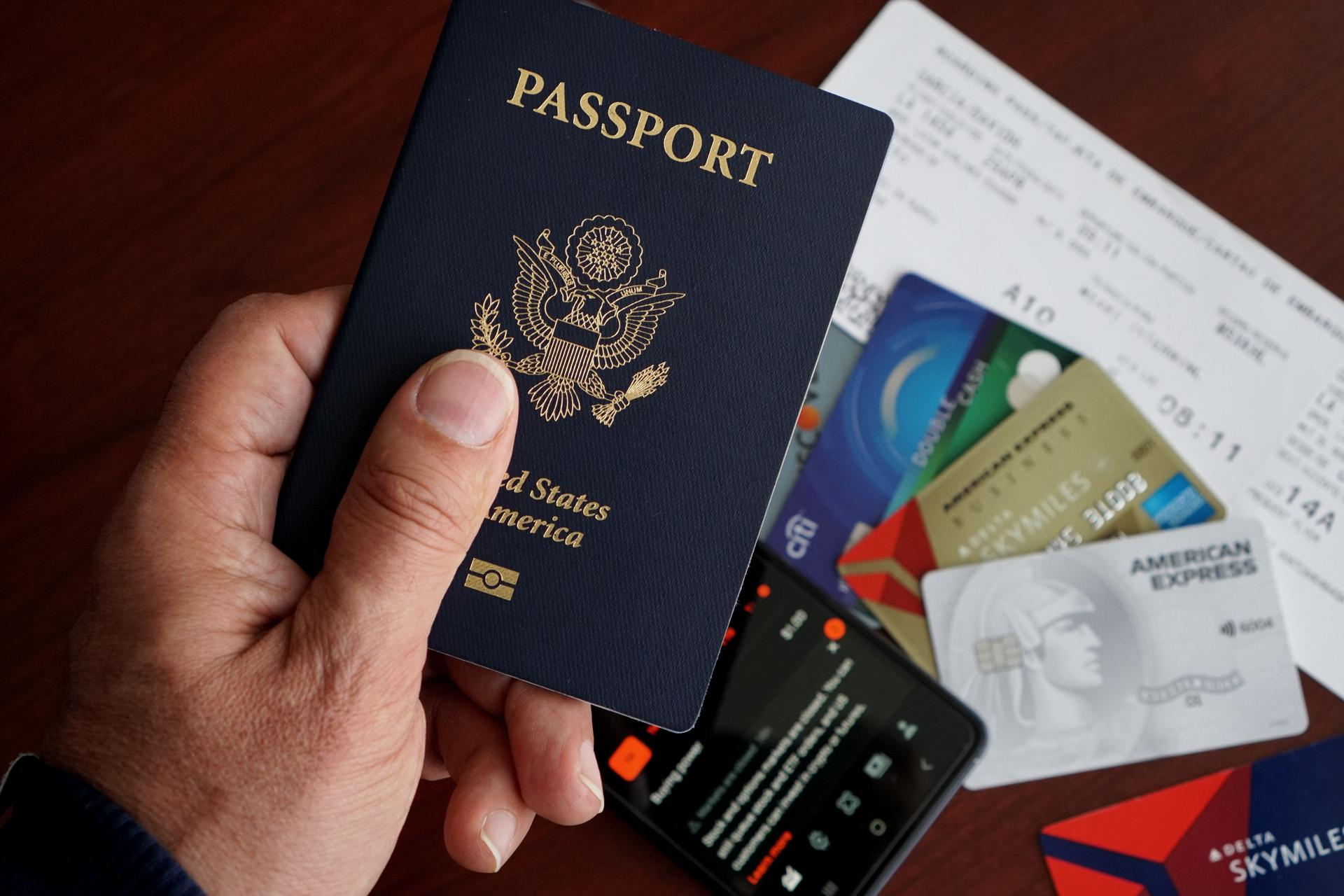
For thousands of Kenyan permanent residents scattered across Massachusetts mill towns, Texas suburbs and the apartment blocks of suburban Minnesota, the green card has long been a waypoint rather than a destination. The plan, repeated at kesha prayer meetings and in WhatsApp groups that stretch from Lowell to Lewisville, was always the same: hold the card for the required years, save quietly, file the N-400, take the oath, and finally vote, sponsor a parent, travel on a blue passport. Citizenship was the last door, and the fee to walk through it — roughly $760 — was a known, budgetable number.
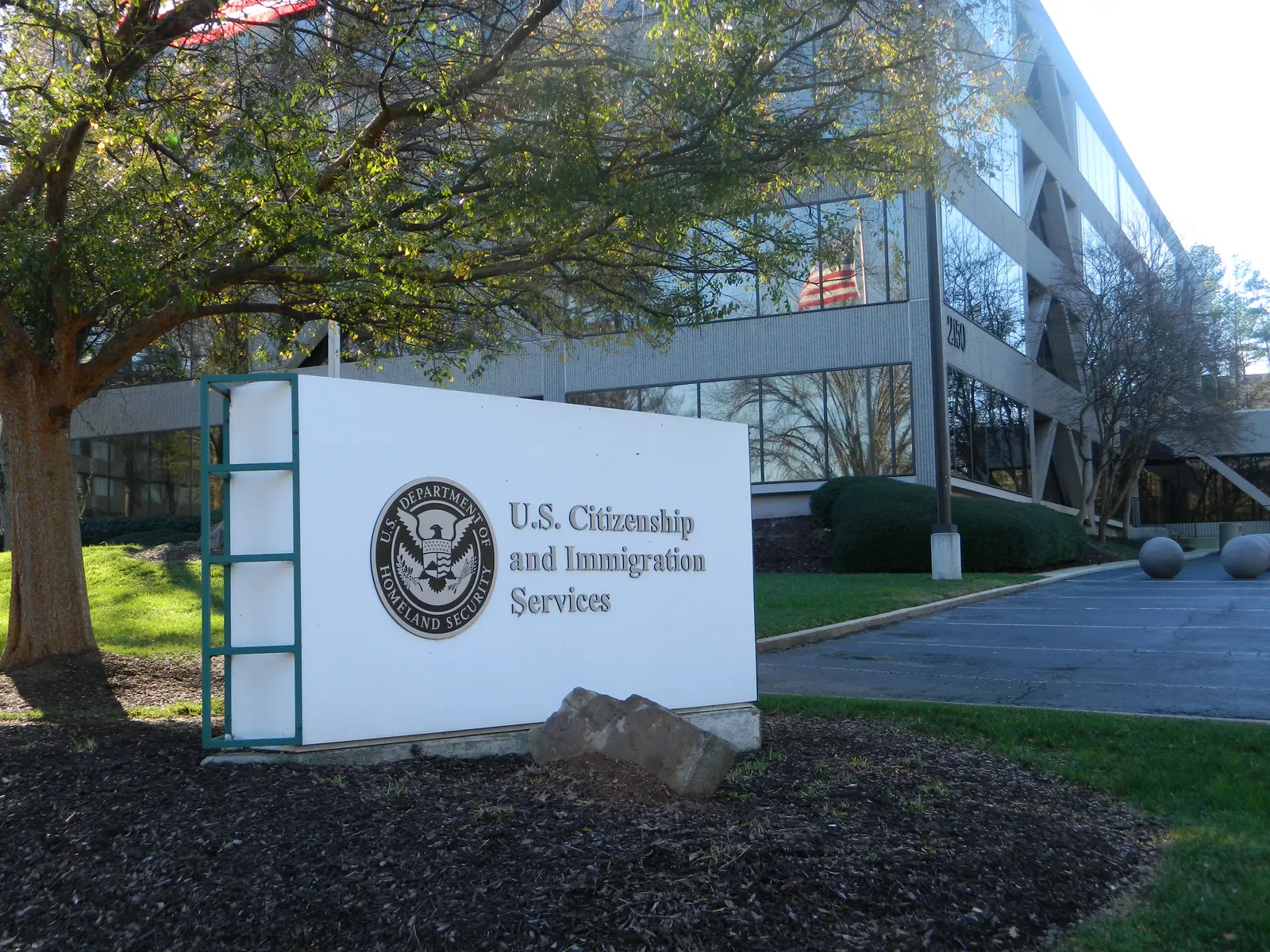
That number is now in play. The Department of Homeland Security and US Citizenship and Immigration Services have published a proposed rule that would raise the cost of applying for naturalisation by more than 70 percent and, for the first time in years, strip away the fee relief that has allowed lower-income applicants to file at a discount or no charge at all. For a community where the path to a US passport is often financed dollar by dollar, the change lands less like a line item and more like a moved goalpost.
What the Proposal Actually Changes
Under the proposed regulation, the fee for a paper N-400 naturalisation application would climb from $760 to $1,330. Applicants who file online, currently charged $710, would pay $1,280. The cost of appealing an unfavourable decision through Form N-336 would rise sharply as well, from $830 to $1,475.
DHS and USCIS frame the increase as a matter of arithmetic. The agencies argue that earlier administrations deliberately kept naturalisation fees below the true cost of processing applications in order to encourage people to become citizens, and that the shortfall has effectively been subsidised by fees paid for other immigration services. The new approach, officials say, is a full-cost model in which applicants cover the entire expense of adjudicating their own cases — including the expanded background checks, interviews and vetting that recent executive orders have layered onto the process.
The rule has not taken effect. It was published as a Notice of Proposed Rulemaking, which opens a 60-day public comment period before the government decides whether to finalise it. Until then, today's fees and today's waivers remain in place. But the direction of travel is unambiguous, and immigration lawyers are already advising eligible residents not to wait.
Why the Waivers Matter More Than the Headline Number
The jump from $760 to $1,330 is the figure that grabs attention, but for many Kenyan families the more consequential change is buried further down the proposal: the near-total elimination of fee waivers.
Under the current system, applicants who earn below certain income thresholds, who receive means-tested public benefits, or who can document financial hardship may qualify for a full waiver or a reduced filing fee. Those provisions exist precisely because Congress and successive administrations treated naturalisation as a public good worth making accessible. The proposed rule would close almost all of those doors, leaving active and former military service members as the only group exempt from payment under federal law.
DHS contends that low-cost or free applications may tempt ineligible people to file. Critics counter that the practical effect is to price out exactly the eligible, law-abiding permanent residents the system is meant to welcome — home health aides, warehouse workers, ride-share drivers and early-career nurses who have met every requirement except a sudden four-figure bill. Aaron Reichlin-Melnick of the American Immigration Council has noted that US governments have historically kept citizenship fees comparatively low to encourage eligible residents to naturalise, and warned that a steep increase risks discouraging many from ever applying.
The Kenyan Diaspora's Particular Exposure
No nationality is singled out in the proposal; the fee applies to everyone. But the burden is not felt evenly, and several features of Kenyan migration make this community unusually exposed.
Kenyans in the United States are concentrated in caregiving, nursing and service work — sectors that are essential but rarely lucrative in the early years. Many are simultaneously carrying obligations that immigrant-rights advocates rarely tally: monthly remittances to parents in Nyeri or Kakamega, school fees for siblings, contributions to harambees and funeral funds back home. A household that could absorb a $760 fee by trimming a few months of sending money may find $1,330 each — multiplied across a husband, a wife and an adult child — simply out of reach without abandoning commitments that are non-negotiable in Kenyan family life.
The loss of the waiver compounds this. A single parent working two caregiving shifts may have qualified, until now, for reduced fees. Strip that away and citizenship becomes a luxury good, deferred indefinitely while the green card is renewed at its own rising cost. The result, advocates fear, is a growing population of long-term permanent residents who are eligible to naturalise but functionally locked out — present in the country for decades, paying taxes, raising citizen children, yet never able to vote or hold a US passport.
A Climate of Uncertainty Beyond the Fee
The proposal does not arrive in isolation, and that context sharpens the anxiety it has produced. In recent months the Department of Justice has signalled plans to pursue hundreds of denaturalisation cases against naturalised citizens accused of fraud or concealment, a move that has unsettled even those who completed the process years ago. Separately, USCIS has indicated that some green card applicants could be required to leave the United States and complete their applications from abroad rather than adjusting status from within the country, though officials later said exceptions would exist for those deemed to serve national or economic interests.
Taken together, these shifts have changed the emotional texture of the citizenship question for Kenyan immigrants. What was once a hopeful administrative milestone now feels, to many, like a process that is becoming more expensive, more uncertain and more closely scrutinised at every step. The fee hike is the most concrete of these changes — a hard number on a government form — which is partly why it has travelled so fast through diaspora networks.
What Happens Next
For now, nothing is final. The 60-day comment window means the rule can be challenged, revised or, in principle, withdrawn, and immigrant-advocacy organisations are already mobilising to file objections. The same window also creates a narrow, practical opportunity: anyone who is currently eligible to naturalise, and who would qualify for today's fees or waivers, can still file under the existing rules while they last. Immigration attorneys serving the East African community are urging residents to gather their documents now rather than gamble on a comment period that may not change the outcome.
Whether the proposal becomes law or not, it has already done something quieter. It has reminded a generation of Kenyan permanent residents that the last door — the one most assumed they could open on their own schedule — is governed by rules that can change without warning. For families who measured the distance to citizenship in years of patient saving, the lesson of this June is that the distance can be lengthened with the stroke of a regulatory pen.