The Form They Filed at Home: How a New US Green Card Rule Could Send Kenyan Families Back to Nairobi to Wait
A USCIS memo signalled that many on student, work and family visas may have to leave America to finish their green card applications. Then Washington said the policy would be applied case by case.
For Kenyans who have built a life in America one renewed visa at a time, the question now being asked across some immigration interview windows lands like a trapdoor: why did you apply for your green card from inside the United States, instead of going home to do it?
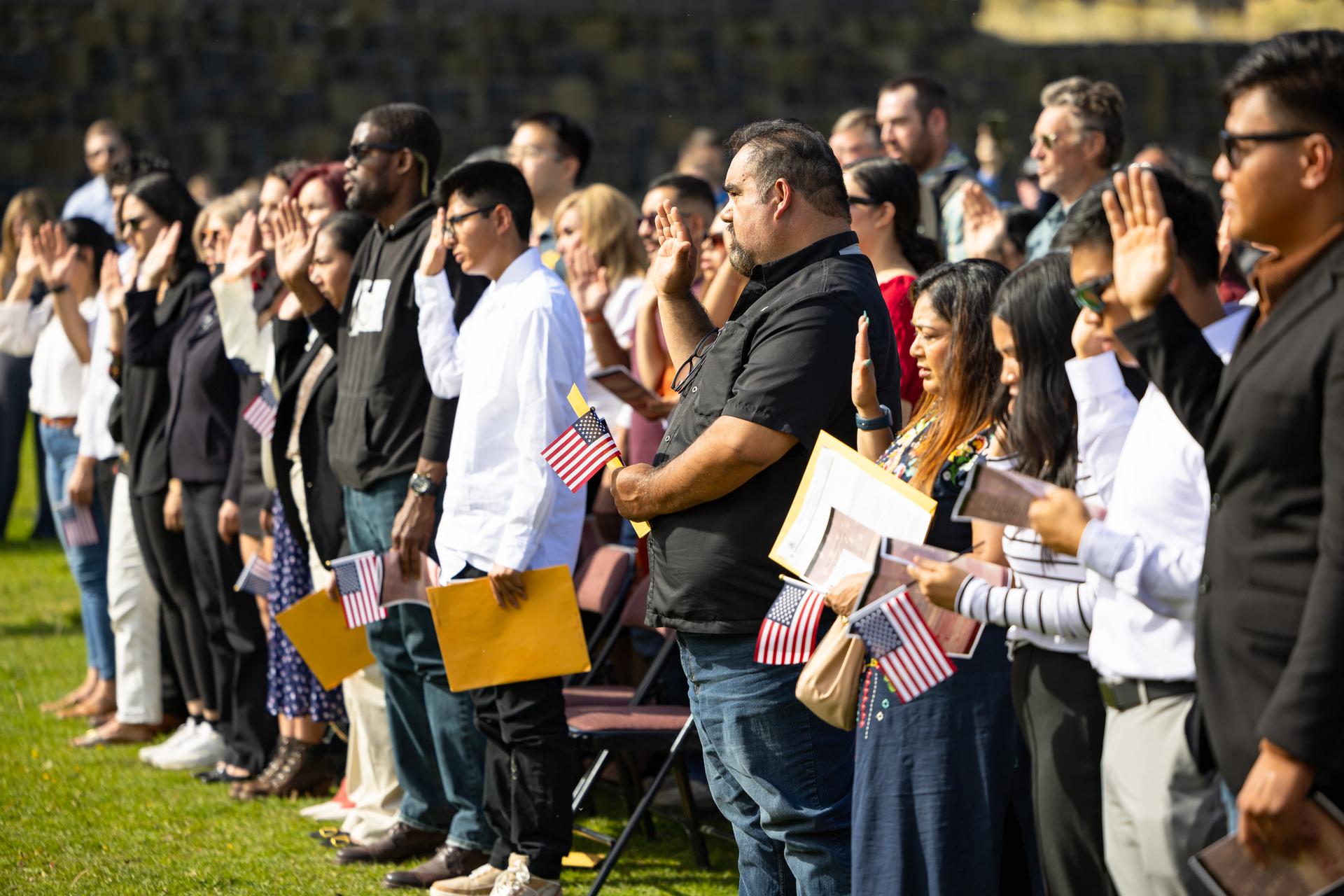
Immigration attorneys say the question has begun surfacing in routine adjustment-of-status interviews in recent weeks. On its own, it is not a denial, nor proof that the rules have changed. But for a Kenyan nurse in Texas, a graduate student in the Midwest, or the spouse of an American citizen in Maryland, it is the sound of solid ground shifting. The pathway that allowed them to become permanent residents without leaving the country — without abandoning a job, a lease, a child's school year — is suddenly the subject of an argument in Washington that they did not start and cannot control.
A memo, then a scramble to explain it
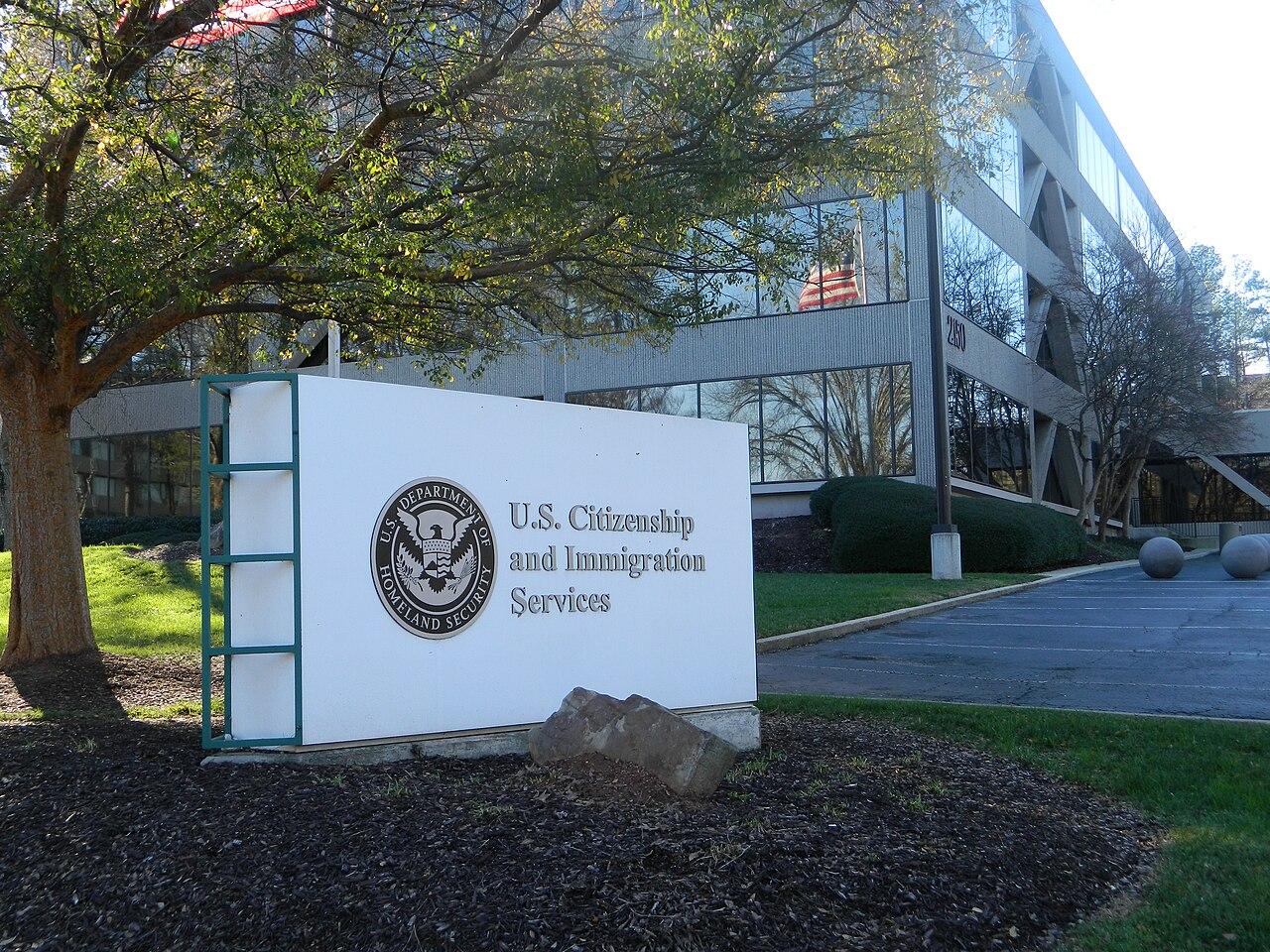
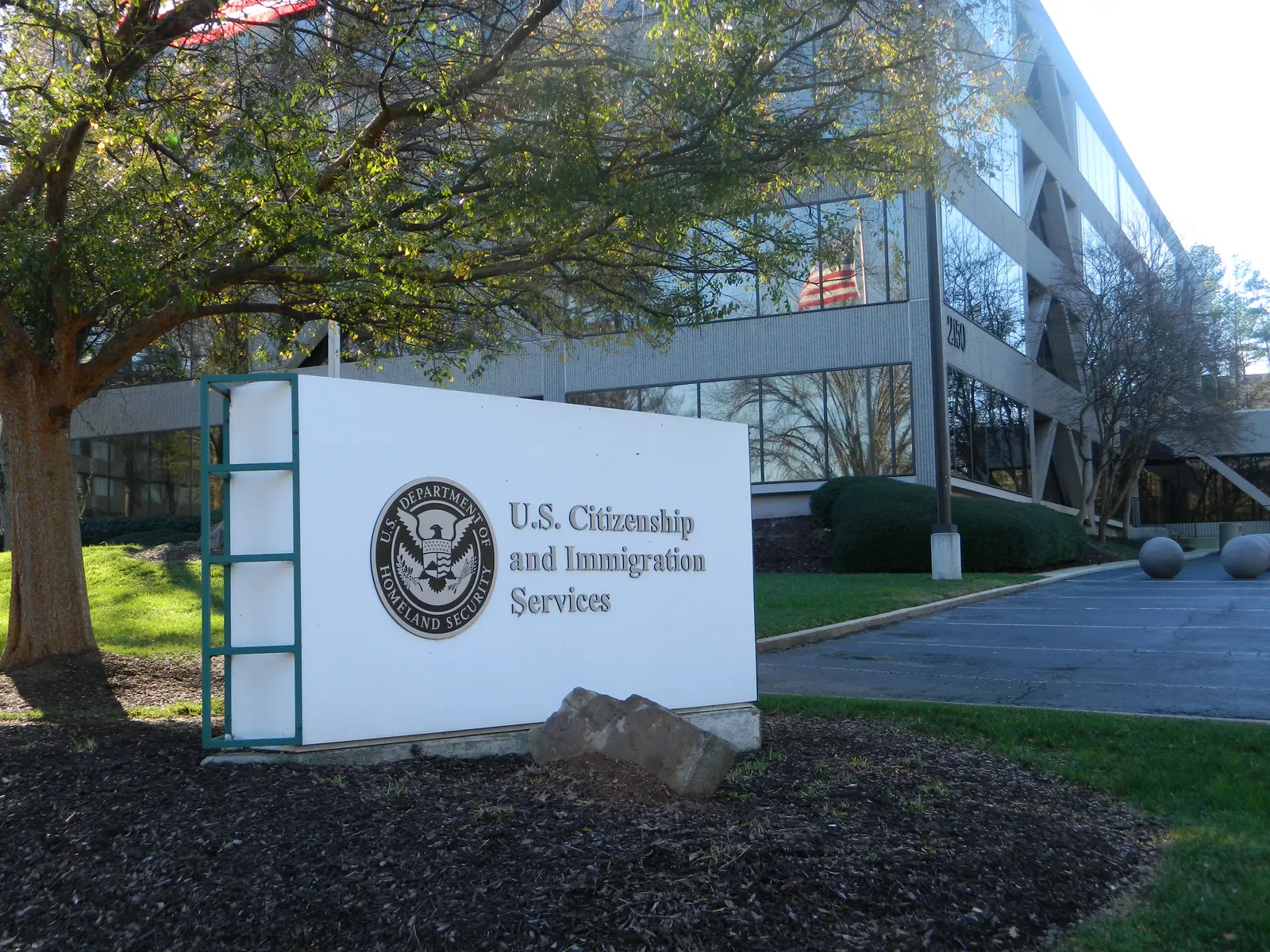
The uncertainty traces back to a policy memorandum issued by US Citizenship and Immigration Services shortly before the Memorial Day weekend. The document signalled that many temporary visa holders and humanitarian parole recipients seeking permanent residence might be expected to complete the final stages of their applications abroad, at a consulate in their country of origin, rather than through adjustment of status inside the United States.
That was a striking departure from decades of practice, and it did not go unnoticed. Within days, immigration lawyers, universities and employers were sounding alarms. The Department of Homeland Security then moved to soften the edges, stating that the memorandum did not create an automatic requirement for every applicant and that immigration officers retained discretion to weigh cases individually.
The clarification calmed some nerves without fully settling the matter. As Mwakilishi reported in its June 14 account of the debate, the original guidance still appeared to point toward a more restrictive reading of existing law, and the gap between the memo's tone and the department's reassurances is exactly where anxiety now lives. Officials insist the document merely reflects requirements already on the books. Critics read it as an attempt to narrow legal immigration through administrative action rather than legislation.
What adjustment of status actually means
To understand why a single memo rattled so many households, it helps to know what is at stake. Adjustment of status is the mechanism that lets a person already in the United States move to permanent residence without departing. It has been part of the American immigration system since the early 1950s and is used by hundreds of thousands of people every year.
Family-sponsored immigrants make up the largest group of beneficiaries, but the process is also relied upon by employment-based applicants, international graduates moving from study to work, and members of mixed-status households in which some relatives are citizens and others are not. For the Kenyan community in America — heavily represented in healthcare, in graduate programmes, and in family reunification cases — adjustment of status is not a technicality. It is the bridge between a temporary presence and a permanent one.
The alternative the memo gestures toward, consular processing, requires applicants to finish their cases at a US embassy or consulate abroad. In ordinary times that is a manageable, if inconvenient, route. These are not ordinary times.
The cost of going home to wait
For a Kenyan applicant, "doing it from home" is not a quick trip. Consular backlogs in many countries stretch processing into months, and the United States has signalled plans to reduce the number of visa-processing facilities across Africa, which would concentrate demand on fewer posts. A worker told to leave the country during a lengthy wait could lose a job; a parent could be separated from children enrolled in American schools.
There is a sharper danger buried in the law. People who have remained in the United States after their original visas lapsed — even while waiting inside an authorised process — can trigger bars on re-entry the moment they depart. Under longstanding rules, a sufficiently long period of unlawful presence can lock someone out of the country for three or ten years once they leave. For such applicants, being told to "simply" finish the process abroad can mean an indefinite separation from family and livelihood, a Catch-22 in which leaving to comply with the rule is the very act that strands them outside.
Why employers and universities are watching
The concern is not confined to immigrant families. Business groups, particularly in technology and other sectors that depend on skilled workers, warn that forcing employees to leave during long processing periods would disrupt operations and make the United States less attractive to international talent. Universities worry about graduates who can no longer count on a smooth transition from a student visa to a work-based green card.
For Kenya, those ripples reach back home. Remittances from North America remain the single largest source of the diaspora's transfers to families in Kenya, and North America accounts for more than half of recorded monthly inflows. A policy that pushes Kenyan professionals into limbo abroad, or out of the American workforce entirely, is also a policy that touches household budgets in Nairobi, Kisumu and Eldoret.
A fight likely headed for the courts
Few expect the dispute to be resolved quietly. Immigration organisations and advocacy groups argue that adjustment of status was created by Congress and has been used by administrations of both parties for more than seventy years; any sweeping change through executive action, they contend, would invite close judicial scrutiny. Some state officials have signalled they are weighing responses should the policy be applied more aggressively. Federal officials maintain that the memorandum reflects the law as written.
For now, Kenyans in America are left to navigate the space between a memo that sounded sweeping and a clarification that promised restraint. Attorneys are urging applicants with complicated histories to seek advice before travelling, and to avoid assuming either the worst or the all-clear. Until further guidance or a court ruling arrives, the safest description of the situation is also the most unsettling: it depends on the officer, and it depends on the case.
That is cold comfort for a community that measures its progress in approved forms and stamped passports. The promise that drew many Kenyans to America was that the rules, however hard, would at least be knowable. This month, for thousands of them, the rules became a question mark.