The Letter That Reaches the Factory Floor: How a US Meat Lobby's AGOA Demand Lands in Kenya's Export Zones
American meat exporters want Washington to force open Kenya's market. The quiet fight over AGOA's renewal could reshape the export jobs — and the trade corridor the diaspora's dollars run through.
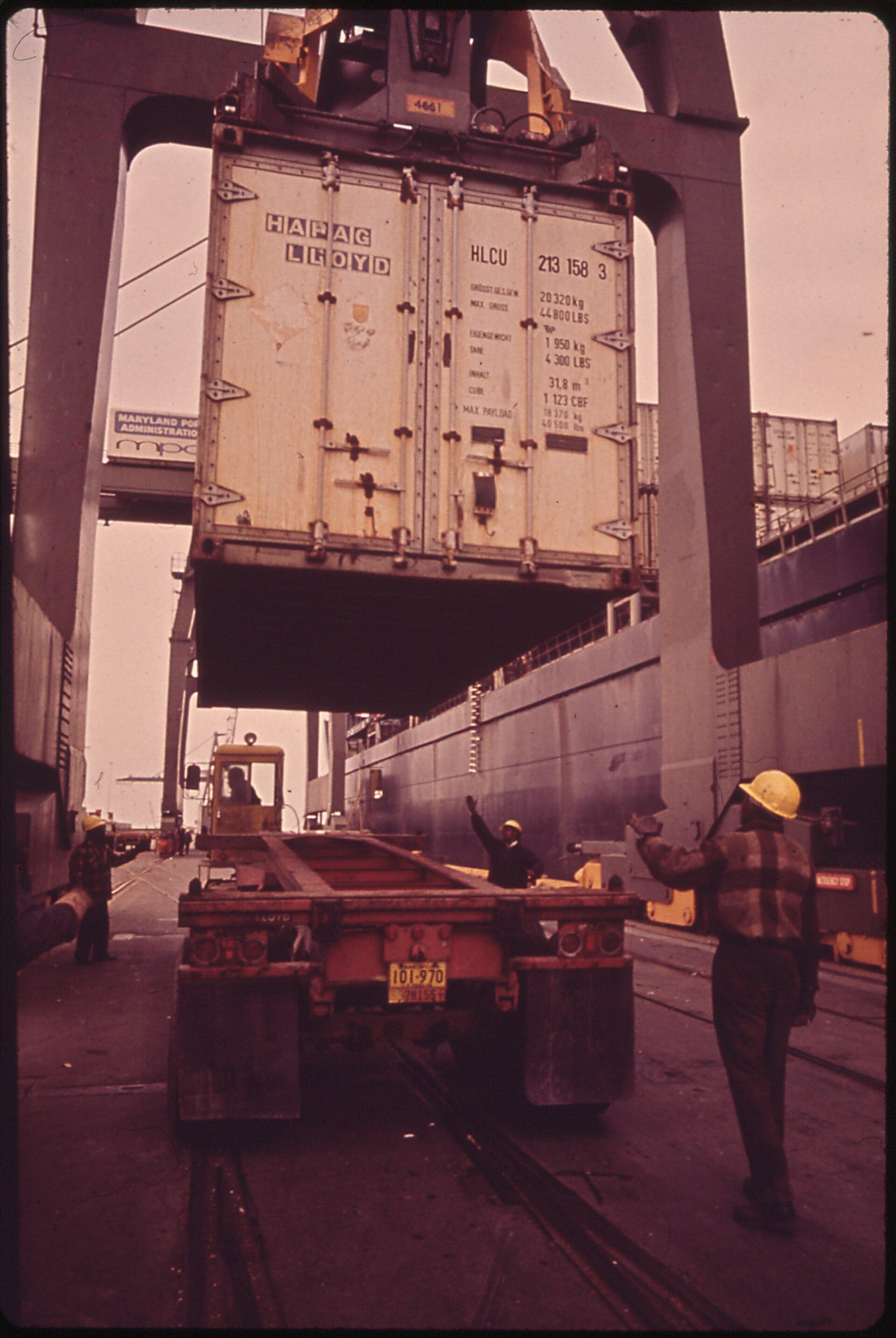
On the cutting floor of an export plant in Athi River, the working day is measured in collars and cuffs. Thousands of machinists — most of them women, many supporting households that stretch from the factory gate to a rural home county and, increasingly, to a relative who left for Houston or Dallas — feed denim and cotton through their machines for brands sold in American shopping malls. The garments they finish will cross an ocean and enter the United States without paying a cent in duty. That single arrangement, more than any speech or summit, is what keeps the lights on in Kenya's export processing zones.
This week, a letter filed in Washington put a quiet question mark over it. American meat exporters have asked the Trump administration to use the renewal of the African Growth and Opportunity Act to force Kenya to drop what they call harsh barriers to United States products. The demand is narrow on its face — it is about beef, pork and the rules that govern them — but it lands at the centre of a much larger negotiation over whether Kenya keeps the duty-free access that built those factory floors.
The sentence in a Washington filing
The submission came on June 10, during the formal review of AGOA, the law that for a quarter of a century has let African countries sell thousands of products into the American market tax- and quota-free. In its letter to the Office of the United States Trade Representative, the US Meat Export Federation named Kenya among the African nations whose trade policies, it argued, block American exports even as those same countries enjoy open access to US consumers.
The federation's complaints were specific. It cited what it called Kenya's "burdensome import license system," restrictions on the transhipment of products, and "a lack of clarity on import veterinary medicine residue and microbiological standards." It reserved its sharpest language for pork. Kenya, it claimed, "effectively bans US pork by maintaining a requirement for a Letter of Non-Compete" — a rule that, the exporters said, requires sign-off from domestic industry players before each shipment can enter the country. Duties on beef and pork, it added, are "trade-prohibitive and must be addressed if US red meat is to have meaningful opportunities in the market."
For a Kenyan reader, the dispute over imported pork livers can feel remote. The reason it matters is what the meat lobby is asking Washington to do with it: treat the AGOA renewal as leverage, and make continued access for Kenyan goods conditional on Kenya opening its own doors wider.
What duty-free built
To understand the stakes, it helps to count what AGOA has underwritten. Since 2000, Kenya has shipped goods worth about $13.3 billion to the United States — overwhelmingly apparel, along with macadamia nuts — while importing roughly $11.6 billion in return, leaving a gap of about $1.7 billion in Nairobi's favour. The Kenya Association of Manufacturers estimates that AGOA-backed investment directly employs around 68,000 people, most of them in the export zones of Athi River and Thika, and supports close to 700,000 dependents.
Those are not abstract figures to the diaspora. The United States is the single largest source of the money Kenyans abroad send home, accounting for more than half of national remittance inflows. The same corridor that carries factory output west carries dollars east, and the families on the receiving end are often the ones whose neighbours, sisters and sons sew garments under AGOA's preferences. When trade policy shifts in Washington, it is felt in both directions of that exchange.
The price of reciprocity
The meat exporters' letter does not arrive in a vacuum. The Trump administration has signalled it wants a different kind of AGOA altogether. The US Trade Representative has said it is moving to "modernise" the programme, ending the model of one-way preferences in favour of "reciprocal trade agreements with the more advanced countries as they develop and graduate."
"A modern AGOA must build on its 25-year foundation to further deepen the economic ties between the US and sub-Saharan Africa by benefitting American workers, eliminating barriers to trade, and creating new opportunities for US businesses," Trade Representative Jamieson Greer said, welcoming comments on how to make the programme "more reciprocal."
Kenyan exporters have already felt the turbulence of that shift. In August 2025 the administration imposed a 10 percent reciprocal tariff on Kenyan goods, then allowed AGOA to lapse entirely on September 30. For four months, manufacturers said, shipments to the US were hit with duties ranging from 15 to 42 percent, squeezing margins and disrupting orders. AGOA was reinstated in February 2026 — but only through December, leaving every factory planning beyond the new year to do so without knowing the rules.
Pork, beef and the Letter of Non-Compete
What the meat federation wants is for those December negotiations to extract concessions. Washington has long argued that Kenya's sanitary and phytosanitary rules — the standards governing food safety and animal and plant health — keep American farm goods out unfairly. US officials have flagged barriers on bovine embryos despite a 2020 agreement between Kenyan veterinary authorities and the US Department of Agriculture, and have complained that Kenya's stricter limits on aflatoxin and moisture make American corn uncompetitive.
Kenyan regulators see the same rules differently. Import licensing, residue testing and the contested Letter of Non-Compete are, from Nairobi's side, instruments that protect local farmers and consumers — including a domestic pork and poultry sector that employs thousands and would struggle to compete with subsidised American producers. The fight, in other words, is not really about the safety of a pork liver. It is about who absorbs the cost of opening a market.
Why the diaspora is watching
For Kenyans abroad, AGOA has always been more than a trade statistic. It is the framework that made the United States not just a destination for migration but a market for home-country labour — a rare arrangement in which a worker in Athi River and a worker in Atlanta were, in a sense, on the same supply chain. Diaspora investors have poured savings into property and small manufacturing on the strength of that access. Diaspora professionals have lobbied US lawmakers to protect it. And diaspora remittances have cushioned the very families most exposed when the factories slow down.
A reciprocal AGOA could reopen talks on a full bilateral trade deal between Nairobi and Washington — one likely to demand lower Kenyan tariffs, wider entry for American services, and fewer hurdles for US investors in health, finance, energy and digital sectors. Whether that is an opportunity or a threat depends on who is asked. For the machinist in Athi River, the immediate worry is narrower and older than any treaty: whether the order book holds past December, and whether the arrangement that put her on the cutting floor survives a letter she will never read.
The meat exporters' demand is one submission among many in a review that will run for months. But it is a reminder of how the renewal will be fought — barrier by barrier, sector by sector — and of how much, on the Kenyan side of the ledger, is riding on the outcome.

.jpg&w=1920&q=75)