The Green Stone and the Trade Table: How a Son of Tsavo Joined the Council Shaping America's Africa Trade
Bruce Bridges, heir to the family that gave the world tsavorite, has been named to a US advisory committee on African trade — just as Washington fixes its gaze on the continent's minerals.
A stone the colour of the hills
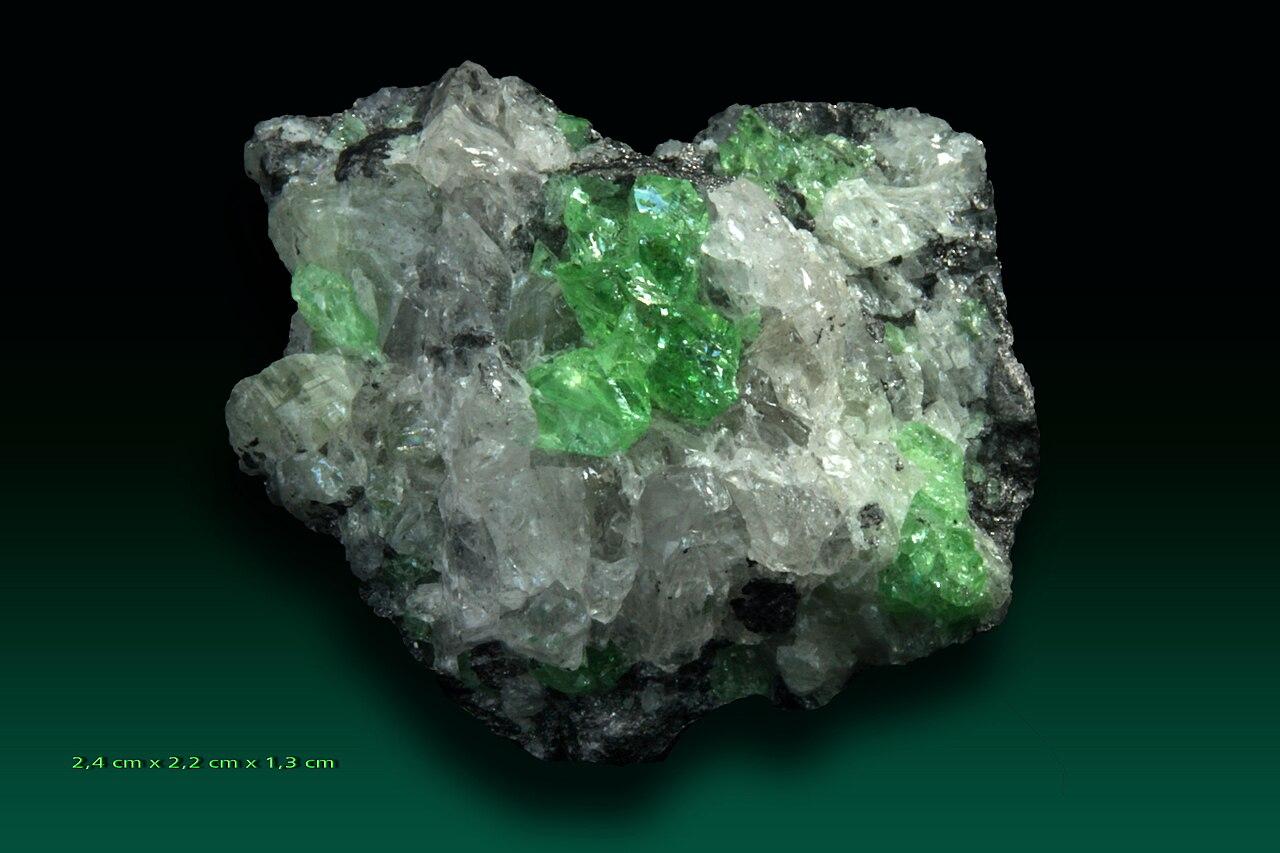
In the dry country east of Mount Kilimanjaro, where the Taita Hills fall away toward the red plains of Tsavo, the most valuable thing in the ground is not gold or oil. It is a green so clean and so deep that jewellers once insisted it could not have come from Africa at all. The stone is tsavorite, a rare green garnet, and for more than half a century one family has been bound to it — through discovery, through fortune, and through a killing that shocked Kenya and the global gem trade alike.
That family's name is Bridges. And last month, in a quiet line of bureaucratic prose from Washington, their story took an unexpected turn. Bruce Bridges, who grew up among his father's Kenyan mines and now leads one of America's most influential gemstone bodies, was appointed to a United States government committee that helps shape how America trades with Africa.
From a Tanzanian hillside to a Kenyan permit
The tsavorite story begins in 1967, when Bruce's father, the British-born geologist and prospector Campbell Bridges, found an intensely green grossular garnet in the hills of north-eastern Tanzania. The Tanzanian authorities would not grant export permits, so Campbell, convinced the same geological belt ran north across the border, kept prospecting. In 1971 he found the stone again on the Kenyan side and was granted a permit to mine it.
For a few years the gem was a curiosity known mainly to mineralogists. That changed in 1974, when Tiffany & Co. launched a marketing campaign for it in New York. The company's president, Henry Platt, gave the stone the name that stuck — tsavorite, after Tsavo East National Park. A green garnet from the Kenyan bush became, almost overnight, a coveted name on Fifth Avenue. One of the finest examples, a cushion-cut gem of more than a hundred carats known as the Lion of Merelani, now sits in the Smithsonian Institution in Washington.
The ambush the diaspora still remembers
The family's hold on the tsavorite fields was never simple. For Kenyans abroad who follow news from home, the Bridges name carries a darker memory than the gem counters of Manhattan. In August 2009, Campbell Bridges was killed when a mob attacked him and his son on their property near Tsavo. Reporting at the time linked the violence to a long-running dispute over access to and control of the gemstone mines. Bruce, then a young man working at his father's side, was injured in the same attack.
What followed was, in its own way, the more remarkable part of the story. Rather than walk away, Bruce Bridges stayed in the trade his father had built. He continued to mine and to deal in tsavorite, and over the years he became a recognised figure in the international coloured-stone business — a link between a Kenyan hillside and the auction rooms and trade shows of the West. It is a trajectory many in the diaspora will recognise: a life lived across two worlds, carrying a family inheritance from Kenyan soil into foreign institutions.
A seat at America's Africa table
That journey reached a new milestone with the Washington appointment. As president of the American Gem Trade Association, Bridges was named by the United States Trade Representative, Ambassador Jamieson Greer, to the Trade Advisory Committee on Africa — known by its initials, TACA. According to the gem-trade body, his term runs four years, from 20 May 2026 to 23 January 2030, and the association's chief executive, John W. Ford Sr., will act as its liaison to the committee and to the trade representative's office.
TACA is not a household name, but its remit is substantial. The committee advises the US Trade Representative on trade policy and development questions affecting the countries of sub-Saharan Africa — the agreements, tariffs and market-access rules that determine how easily African goods reach American shelves. Washington formally invited nominations to refresh the committee earlier this year. Into one of those seats now steps a man whose working knowledge of African supply chains was earned not in a seminar room but at the pits and sorting tables of Tsavo.
Why the timing matters
The appointment lands at a charged moment for US–Africa trade. The African Growth and Opportunity Act, the law that for a generation has let many African exports enter the United States duty-free, faces an uncertain future, and Kenyan officials have been pressing to keep preferential access alive. At the same time, the United States has grown openly interested in Africa's critical and rare-earth minerals — the metals that feed batteries, electronics and defence supply chains — including deposits in Kenya itself.
A gemstone miner is not a minerals minister. But Bridges brings to the table a rare combination: decades inside an African extractive industry, fluency in how raw stones move from a Kenyan claim to a Western buyer, and a seat in the room where American negotiators weigh those questions. For Nairobi, having someone with deep Kenyan roots inside a US advisory body is the kind of soft advantage that rarely makes headlines at home but can matter when the fine print of trade is written.
What it means for the diaspora
For the Kenyan diaspora — especially the entrepreneurs, professionals and traders who have built lives in the United States — the appointment is a small but telling marker. It is a reminder that the threads connecting Kenya to America run through more than remittances and visa queues; they run through boardrooms and advisory committees, through the long, patient accumulation of expertise that lets a person born to one country speak with authority in another.
It is also a story about inheritance in the fullest sense. Campbell Bridges discovered a stone and lost his life over it. His son carried the work forward and has now been asked to help shape the rules of the very trade his father helped invent. The green garnet that began as a secret in the Tsavo hills has travelled a long way — to Tiffany's windows, to the Smithsonian's display cases, and now, in the person of the man who grew up mining it, to a committee table in Washington where Africa's economic future is quietly being argued.

.jpg&w=1920&q=75)