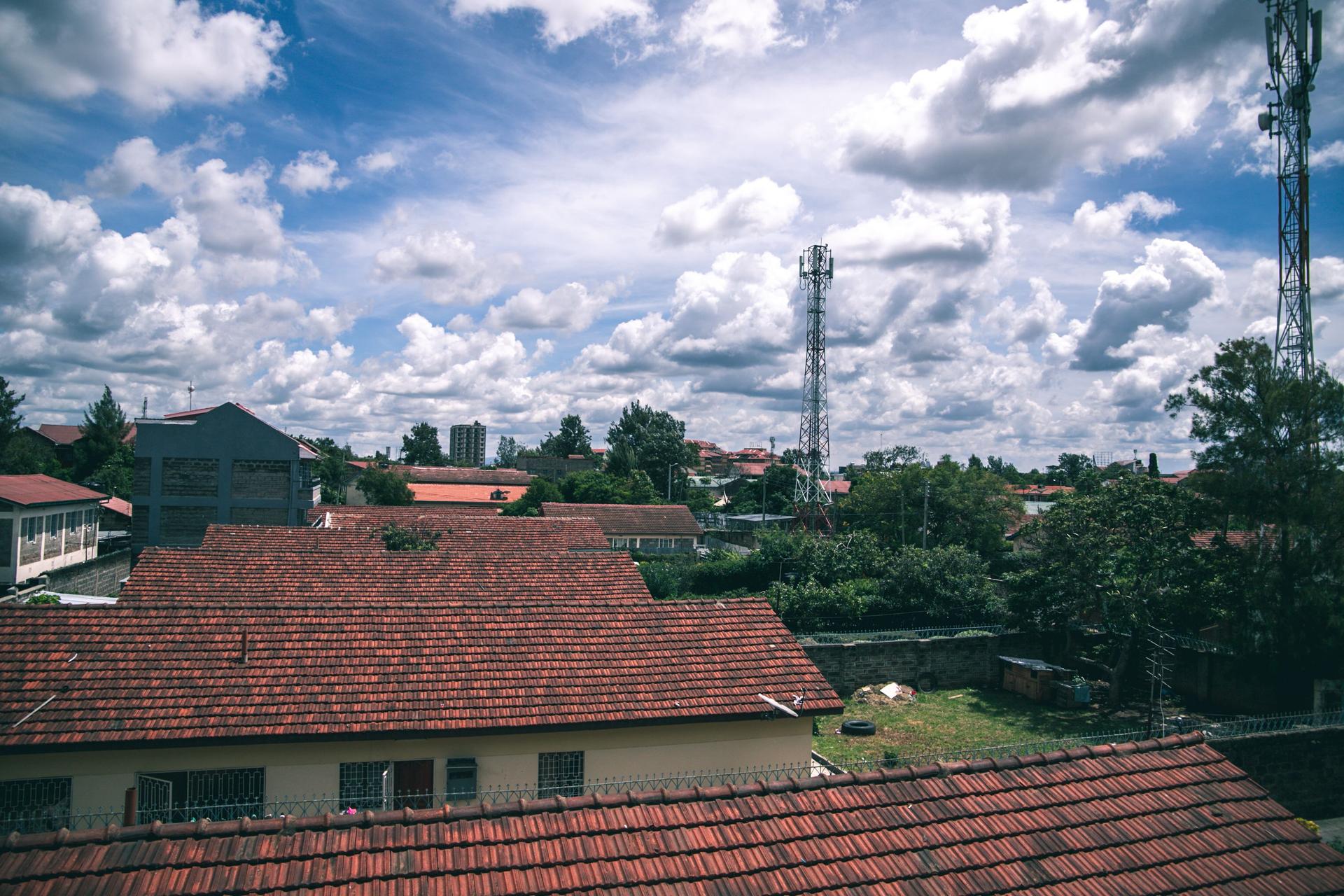
The Half-Built House: How Construction Loans Are Changing the Way Kenya's Diaspora Builds Back Home
Across Kenya, unfinished homes stand as monuments to the slow drip of money wired from abroad. A new shelf of construction loans and diaspora mortgages is trying to rewrite that arithmetic.
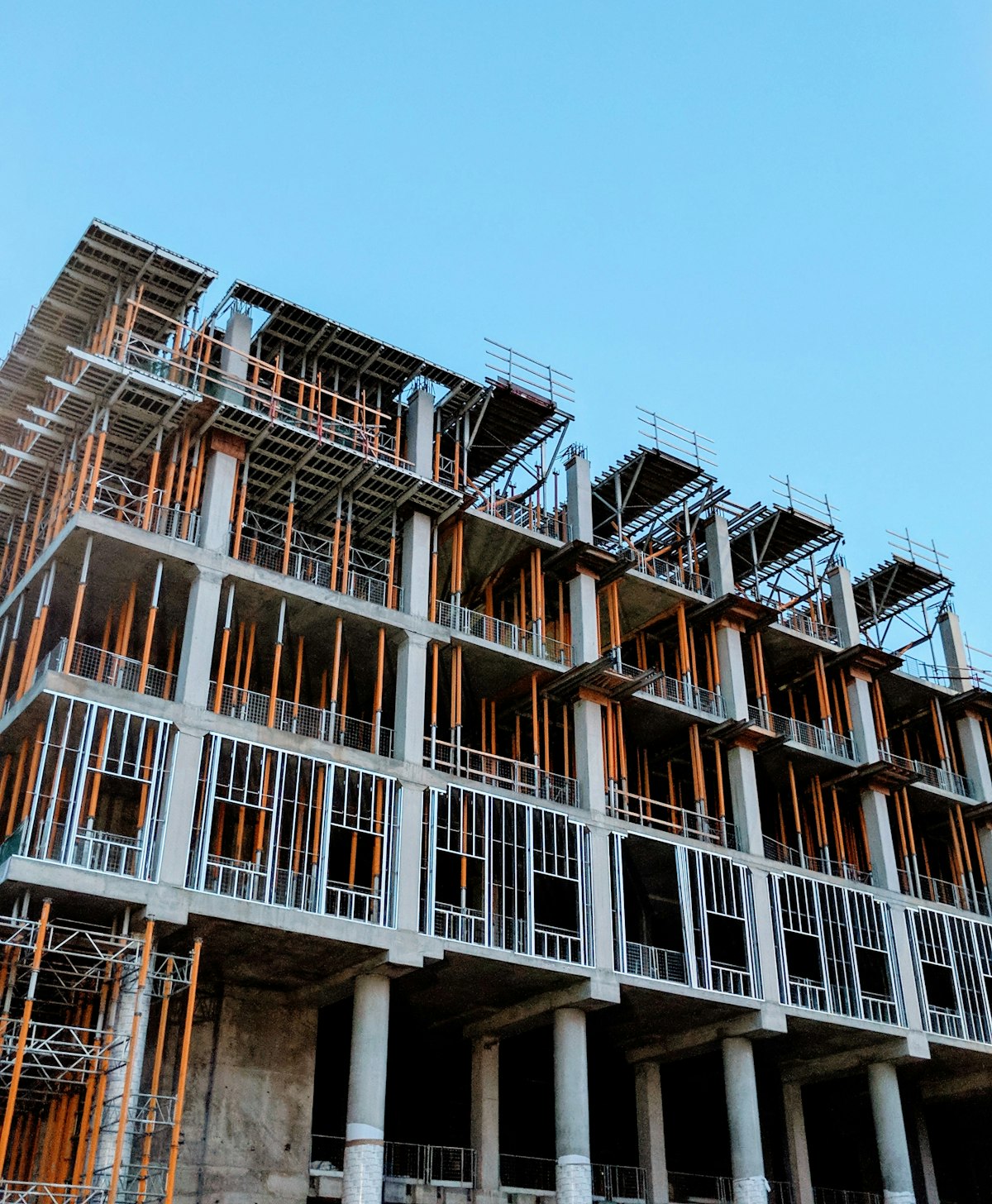
Drive out of almost any Kenyan town toward the ridgelines where land is still affordable, and you will pass them: houses with no roofs, walls that stop at window height, steel reinforcement bars reaching up from unfinished columns like the fingers of an open hand. Some have stood that way for years. Each is a quiet story of ambition meeting arithmetic — a plot bought with pride, a foundation poured with the first big remittance, and then a long pause while the family waits for the next transfer to land from a son in Dallas or a daughter in Doha.
The half-built house is one of the most familiar sights in the Kenyan countryside, and for the country's diaspora it is also one of the most personal. For decades the standard way to build a home from abroad has been to do it in fragments: send what you can, when you can, and accept that a three-bedroom bungalow might take five or eight years to finish. Now a growing menu of construction loans and diaspora-specific mortgages is offering an alternative — borrow the full cost up front, build in one continuous stretch, and repay over years rather than rationing the work to the rhythm of payday.
The economics of building slowly
Owning a home remains one of the most widely shared ambitions in Kenya, but the path to it has grown steeper. Construction costs — cement, steel, labour, transport — have risen faster than most households can save, which is precisely why the phased self-build became the default. You buy the plot first, then the foundation, then wait. The roof comes when the money does.
That model has hidden costs. A site left exposed for years loses materials to theft and weather. Prices climb between phases, so the kitchen costs more to finish than it would have to start. And all the while the family is usually still paying rent somewhere else, money that disappears each month into someone else's asset rather than their own.
Lenders have begun pitching construction finance squarely at that gap. The Co-operative Bank of Kenya, among the more visible providers, offers structured loans for residential and commercial developments with repayment periods of up to 20 years for a single dwelling unit and up to 10 years for residential-commercial projects, according to reporting by the diaspora outlet Mwakilishi. The longer horizon is the point: by stretching repayment, a borrower can keep up with rising costs instead of being outrun by them.
A wider shelf of products
Co-op is not alone. A scan of the current market shows construction and home-loan products from most of Kenya's large banks — KCB, Equity, Stanbic, NCBA, Standard Chartered, Absa and the specialist HF Group — alongside SACCO-based mortgages, microfinance options, and the wholesale funding channelled through the Kenya Mortgage Refinance Company, which exists to make longer-term home loans cheaper to offer. Above all of it sits the government's Affordable Housing Programme and its Boma Yangu portal, through which buyers, including those abroad, can register and save toward a unit.
The terms vary widely. Advertised interest rates across the market run roughly from the high single digits to the high teens, and most lenders ask for a deposit in the region of 10 to 15 per cent of a property's value, with a larger deposit typically buying a better rate. None of this is cheap money. But for a household that has spent years watching an unfinished house gather dust, the calculation is less about the cheapest possible loan than about finishing at all.
The diaspora's special case
For Kenyans abroad, the products have become more tailored. KCB's diaspora mortgage, for instance, is offered not only in shillings but in US dollars and British pounds, and can be used to buy a ready-built home, construct a residential or commercial property, purchase a plot, or buy land and build on it at the same time. The acceptance of foreign-currency income matters: a nurse in Manchester or an engineer in Houston is paid in pounds or dollars, and a loan that recognises that removes a layer of friction that once pushed many toward the slow, cash-only route.
The stakes are large because the diaspora's money is large. Remittances sent home by Kenyans living abroad have run to more than four billion dollars a year in recent years, according to Central Bank of Kenya data, making the diaspora one of the country's single biggest sources of foreign exchange — and, quietly, one of its biggest funders of private housing. A great deal of that money has always ended up in bricks and mortar. The question these new products raise is whether it can be put to work more efficiently than the drip-feed of the past.
What the borrowers say
The appeal, where it works, is concrete. Peter Mwangi, a businessman who built a four-bedroom bungalow in Ngong after years of delay, told Mwakilishi that financing let him finish a project he had repeatedly postponed for lack of savings, moving his family in during 2025. "Instead of paying rent every month, I am paying towards an asset that belongs to us," he said.
Others point to the cushions built into the loans. Grace Wanjiru, a mother of three, said a six-month moratorium before repayments began gave her family room to complete construction first. "Building a house comes with many expenses that people do not always anticipate," she said. "The grace period gave us room to settle in comfortably." Where a finished property earns rent, lenders will often allow that income to service the loan directly — turning the house itself into part of the means of paying for it.
The cautions beneath the concrete
None of this erases the risks, and they are worth naming plainly. A loan taken in dollars or pounds but spent on a shilling-priced asset carries currency risk if exchange rates move. Interest at the upper end of the market can make a long loan punishing. Approvals demand paperwork — identity documents, bank statements, audited accounts for larger facilities, and county and environmental clearances — that can be harder to assemble from six time zones away. And the same property boom that makes building attractive has drawn fraudsters; Kenyan media has carried a steady run of warnings about fake title deeds, bogus surveyors and land sold twice.
For the diaspora, distance compounds every one of these. The relative you trust to supervise the site is also the person standing between your money and a half-built house. Construction finance can shorten the build, but it cannot, by itself, supply the oversight that a project still needs.
Why it matters from afar
What is changing is not the dream but its mechanics. The unfinished houses on Kenya's hillsides were never monuments to a lack of will; they were monuments to a financing system that asked families to save a fortune in cash before they could live in their own walls. A market now crowded with construction loans, diaspora mortgages and a state housing programme is, however imperfectly, offering a different deal — one where the roof can come before the last remittance, not after.
For the millions of Kenyans who left to build something at home, that is a meaningful shift. It will not make a bad plot good or a high rate low. But it changes the question facing a family staring at a foundation. The old question was how many more years of sending money it would take. The new one, increasingly, is whether to borrow against the home and simply finish it now.