The Small Mercy at the Pump: How a Ten-Shilling Diesel Cut Reaches the Homes That Diaspora Money Holds Together
EPRA trimmed diesel by Ksh10 and petrol by 22 cents for the new cycle. For Kenyans sending money home, the pump price is the exchange rate that matters most.
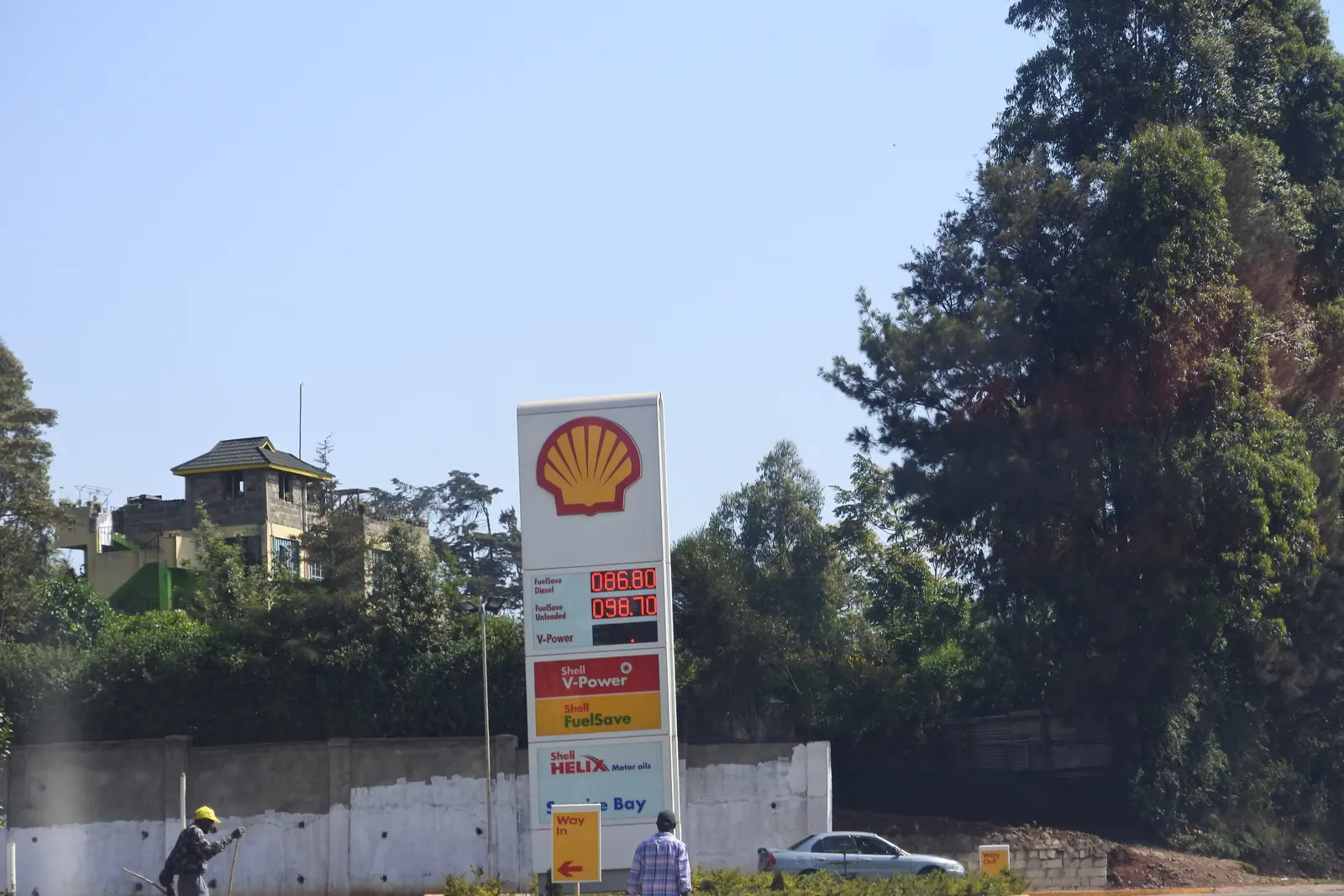
When the attendant at a filling station off Nairobi's Jogoo Road read out the new figure on Sunday afternoon, the matatu driver waiting in line did the arithmetic before the nozzle was even lifted. Ten shillings off a litre of diesel does not sound like deliverance. Spread across a full tank, then across a week of round trips between the city and the estates that feed it, it becomes the difference between a fare that holds and a fare that quietly climbs again. For the relatives watching from Dallas, Doha and Birmingham who top up that household every month, the number mattered too, even if they will never see the pump.
A Reprieve Measured in Cents
The Energy and Petroleum Regulatory Authority announced its monthly review on Sunday, June 14, and for once the direction of travel was downward. Super Petrol will retail in Nairobi at Ksh214.03 per litre, a reduction of just Ksh0.22. Diesel falls more meaningfully, by a full Ksh10.00, to Ksh222.86. Kerosene, the fuel that lights and cooks in the homes with the least to spare, holds steady at Ksh191.38. The new caps take effect at midnight and govern the period from June 15 to July 14, the standard thirty-day window set out under the Petroleum Act of 2019.
After months in which the pump has mostly punished, the cut reads as a small mercy rather than a turning point. Petrol's two-cent trim is barely perceptible. But the diesel reduction carries weight far beyond the pump itself, because diesel is the fuel that moves the country: the matatus and buses that carry workers, the lorries that haul maize and cement, the generators that keep shops and clinics running when the grid stutters.
What the Regulator Actually Changed
EPRA attributed the adjustment to movements in the global cost of importing refined fuel. The landed cost of Super Petrol slipped by 0.56 per cent between April and May, easing from about Ksh117,339 to Ksh116,600 per cubic metre. Diesel, curiously, became marginally more expensive to import, rising 0.21 per cent, while kerosene's landed cost fell by a third of a per cent. That diesel could become costlier to bring in and yet cheaper at the pump points to the other levers the regulator and Treasury pull behind the scenes.
The exchange rate did some of the quiet work. The shilling averaged 129.82 to the dollar through May, steadier than in the turbulent stretches of recent years, which holds down the local-currency cost of a commodity that Kenya buys entirely in dollars. A stable shilling is the unglamorous partner of every pump-price announcement.
The Pump Price Is the Real Exchange Rate
For the Kenyan diaspora, this is where an obscure regulatory notice becomes personal. Remittances reached a record of roughly 4.94 billion dollars in 2024, according to the Central Bank of Kenya, making the money sent home by Kenyans abroad the country's second-largest source of foreign exchange after agricultural exports. Much of it is not investment capital or savings; it is the monthly cushion that pays school fees, rent, hospital bills and the matatu fare to get to all three.
When a sender in Atlanta or Manchester wires money to a parent in Kakamega, the headline question is how many shillings the dollars will fetch. The quieter question, and often the more decisive one, is what those shillings will then buy. A fuel cut that lowers transport and food-distribution costs stretches every remitted dollar further than any favourable swing in the exchange rate. In that sense, the pump price functions as a second, hidden exchange rate, the one that determines whether a fixed monthly transfer still covers the same basket of needs it did last year.
It is a relationship that runs in both directions. In January, Kenya's remittance inflows dipped after a new one per cent excise levy on transfers from the United States nibbled at the amounts arriving home. When the money coming in shrinks even slightly and the cost of living climbs, households absorb the squeeze in skipped meals and delayed fees. A modest easing at the pump is, for those families, a measure of breathing room that no policy in Washington granted them.
Why Prices Eased, and Why It May Not Last
The reduction tracks a softening in world markets. Global oil prices fell nearly 4 per cent in the days before the review, with Brent crude easing about 3.19 per cent to roughly 91 dollars a barrel and US crude slipping 3.7 per cent to near 88 dollars. The decline followed a stretch of relative calm in the Middle East after months of volatility.
That calm is fragile. EPRA's own notes acknowledge an escalation in the region on June 9, a reminder that the same geopolitics which delivered this month's relief can reverse it within a single cycle. Diaspora households planning around the new prices would be wise to treat the cut as a reprieve rather than a trend. The next review lands on July 14, and the forces that set it are decided far from any Nairobi forecourt.
The Cushion the Treasury Is Paying For
The government is not leaving the new prices entirely to the market. To soften the impact on consumers, the Treasury will spend roughly Ksh10.3 billion from the Petroleum Development Levy Fund to subsidise diesel and kerosene this cycle. It is a politically sensitive intervention: the same levy that funds the cushion is itself a charge built into the price every motorist pays, and the fund has been the subject of recurring questions about how it is replenished and spent.
For the diaspora, the subsidy is a double-edged signal. It blunts the immediate pain felt by the relatives they support, which is welcome. But a price held down by public money rather than genuinely lower costs is a price waiting to rise once the cushion thins, and it adds to the fiscal pressures that ultimately shape the taxes and charges Kenyans at home and abroad keep being asked to bear.
What a Family Budget Looks Like Now
Strip away the cubic metres and the levy accounting and the story returns to the matatu driver off Jogoo Road and the mother budgeting kerosene by the half-litre. A ten-shilling cut on diesel may, if competition holds, keep a commuter fare from rising for another month. Unchanged kerosene means the poorest households see no relief in the fuel that matters most to them, a quiet reminder that the people with the least often gain the least from these reviews.
For the Kenyan abroad reading the figures from a kitchen in the small hours, the takeaway is undramatic but real. The monthly transfer will stretch a little further this cycle than last. It is not much. But in the arithmetic of a household held together across continents, a small mercy at the pump is still a mercy, and it is one more number the diaspora will be watching when EPRA returns to the ledger in July.