The Tank and the Wire Transfer: How Kenya's Record Diesel Subsidy Eases the Load on a Diaspora That Funds Home
As pump prices fall on June 15 and the state pours a record subsidy into diesel, Kenyans abroad are watching closely — because their remittances buy the matatu fares, flour and power their families lean on.
Before dawn breaks over Nairobi's Railways terminus, the matatus are already idling, their diesel engines coughing into the cold June air. The conductors know the number that matters most this week, and it is not the morning's passenger tally. It is the price of a litre of diesel — the figure that quietly decides whether a commuter from Rongai or Kitengela pays the same fare tomorrow as today, or a few shillings more.
Some twelve thousand kilometres away, in the suburbs of Dallas, Minneapolis and Toronto, another set of Kenyans is watching the same number. They are the senders — the nurses, long-haul drivers, care workers and graduate students whose monthly transfers keep households in Nyeri, Kakamega and Machakos afloat. When Kenya's Energy and Petroleum Regulatory Authority released its new pump prices late on June 14, it set in motion a small drama that plays out on both sides of the ocean at once.
What Actually Changed on June 15
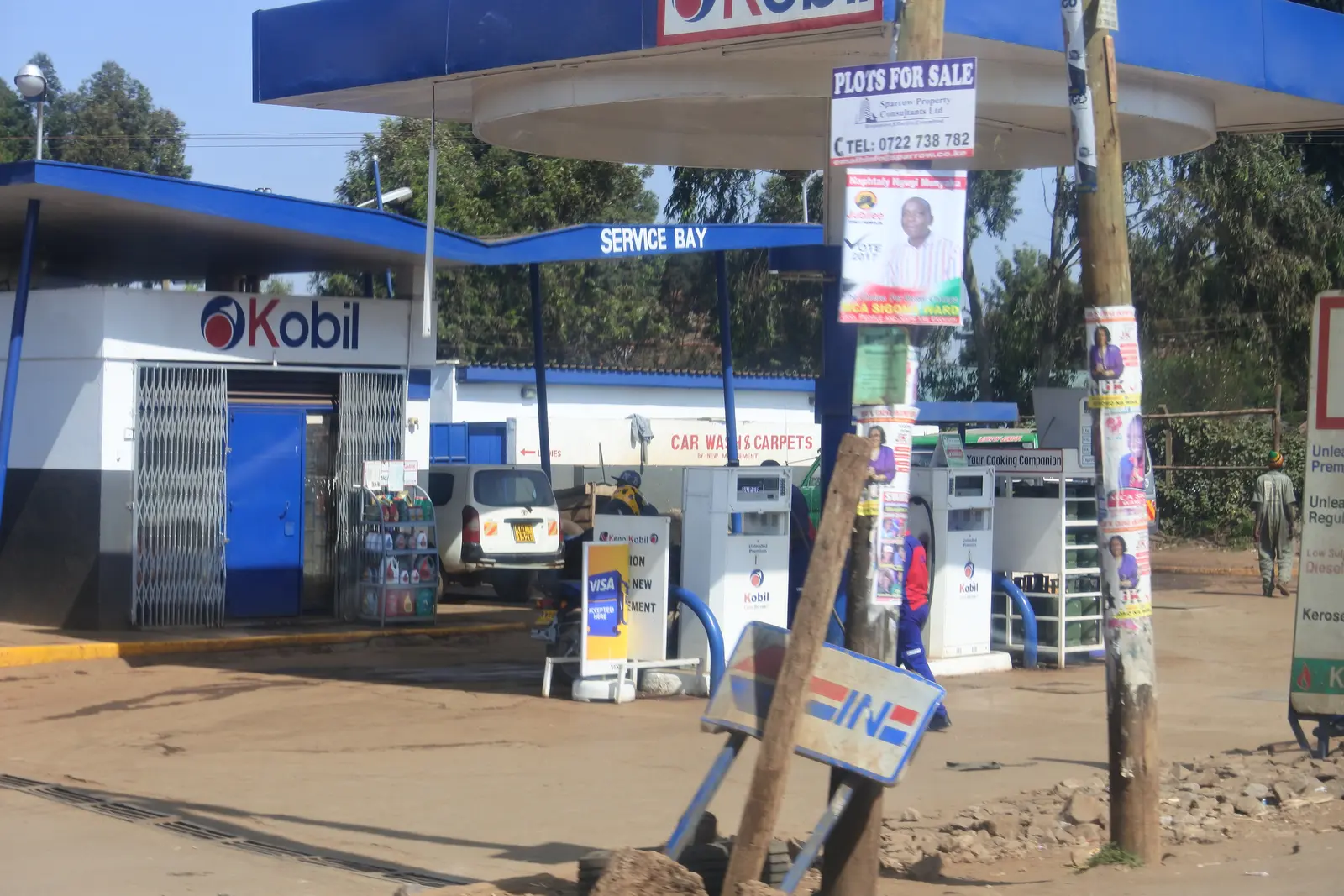
For the pricing cycle that runs from 15 June to 14 July 2026, the regulator cut the cost of diesel by 10 shillings a litre — a meaningful move in an economy where the fuel sets the price of almost everything that travels by road. In Nairobi, diesel now retails at about 222.85 shillings a litre. Super petrol eased more modestly, down 22 cents to roughly 214.03 shillings, while kerosene — the fuel many lower-income households still use for cooking and lighting — held steady, unchanged from the previous cycle.
The headline, carried by the Daily Nation and echoed across Kenyan outlets, was the diesel reduction. Diesel is the workhorse of the Kenyan economy. It powers the matatus and buses that move millions of commuters, the lorries that haul maize and flour from the Rift Valley to urban markets, and the standby generators that keep shops, clinics and small factories running when the grid falters. When its price falls, the relief ripples outward; when it climbs, so does the cost of nearly every basket of goods.
The Record Subsidy Behind the Drop
The cut did not come from falling crude prices alone. The government applied a record subsidy of about 34.07 shillings on every litre of diesel, drawing on the Petroleum Development Levy Fund to keep pump prices from spiking. It is, by the state's own framing, the largest such cushion deployed in a single cycle — a deliberate intervention timed against simmering public anger over the cost of living, much of it blamed on expensive fuel. President William Ruto had pledged last month that diesel would fall by a further 10 shillings, and the cut delivers on that promise even after a change in the import pricing formula had raised fears the relief would be withheld.
That figure is striking. It means the price drivers see on the forecourt is being held down by a per-litre intervention more than three times the size of the cut itself. Without the subsidy, the same litre of diesel that now sells for about 223 shillings would be heading toward 257 shillings. The state, in effect, is absorbing a large share of the global price so that Kenyan households do not feel its full weight at the pump.
Subsidies of this kind are a double-edged instrument. They soften an immediate shock, but they draw down a finite fund and invite hard questions about how long the cushion can last. Energy analysts have repeatedly warned that levy-funded relief is a holding action, not a cure, and that the underlying exposure — Kenya imports virtually all of its refined fuel and pays for it in dollars — does not disappear because the retail price is massaged downward.
Why a Pump Price in Nairobi Matters in Minnesota
For the Kenyan diaspora, the fuel price is never just a domestic story. It is the hidden variable in every transfer they send home. A nurse in Texas who wires money to her parents in Murang'a is not only covering school fees and medical bills; she is, indirectly, paying for the diesel that carries her father to the dispensary and the flour to the local duka. When fuel rises, the same transfer buys less. When it falls, the money stretches further.
This is why remittance senders track Kenyan economic news with an attention that can surprise their colleagues abroad. The flows they manage are enormous. According to the Central Bank of Kenya, diaspora remittances reached a record of just over 5 billion US dollars in 2025 — about 650 billion shillings — crossing the five-billion mark for the first time and rising close to two percent above the previous year. Those inflows now stand as Kenya's single largest source of foreign exchange, ahead of tea, coffee and tourism, and they help steady the shilling that, in turn, determines how expensive imported fuel becomes.
There is a quiet circularity here. The diaspora's dollars help underpin the foreign-exchange reserves and the currency stability that make fuel imports affordable. A cheaper, more stable fuel bill then preserves the real value of the next remittance that arrives. The pump and the wire transfer are linked in a loop that few senders articulate but most instinctively understand.
The Diaspora's Quiet Math
Talk to Kenyans abroad about money and the conversation rarely stays on exchange rates for long. It drifts, instead, to the concrete: the cost of a 90-kilogram bag of maize, the matatu fare from the estate to town, the electricity token that runs out faster than it should. These are the line items that a fuel cut touches first.
A 10-shilling reduction in diesel does not transform a household budget overnight. But it eases the direction of travel. For a family already absorbing high food prices and school levies, a stable or falling transport cost can be the difference between a remittance that covers the month and one that falls short by the final week. Senders notice that gap, because they are the ones asked to close it.
The Politics Underneath the Pump
None of this is happening in a vacuum. Kenya is moving into a charged pre-election period, and the cost of living has become the country's most combustible political issue. Fuel prices sit at the centre of that argument, a visible, monthly referendum on whether ordinary Kenyans feel the economy is working for them.
A record subsidy delivered now, with pump prices nudging downward, is both economic relief and political signal. Opposition figures will question how a levy-funded cushion squares with the broader tax burden Kenyans carry; the government will point to the falling forecourt price as proof of responsiveness. The diaspora, much of which retains the right to vote and a powerful voice in family WhatsApp groups back home, reads these signals from afar and weighs them.
What Comes Next
The immediate effect of the June 15 adjustment is modest but real: a little more room in millions of household budgets, and a little less pressure on the remittances that supplement them. The larger questions remain open. How long can the Petroleum Development Levy Fund sustain subsidies of this scale? What happens to the shilling, and to import costs, if global oil markets turn again? And how much of the relief reaches the family in the village rather than being swallowed by other rising costs?
For now, the conductors at Railways will keep their fares steady, the senders abroad will watch the next monthly notice, and the loop between the tank and the wire transfer will turn once more. It is a small, recurring reminder that for Kenya's diaspora, home is never as far away as the map suggests — it is only ever a fuel price, and a transfer, away.