The Price of Ugali, Seen From Abroad: How Kenya's New Budget Squeezes the Families the Diaspora Feeds
As the Treasury reads a budget that could push up the cost of flour, medicine and packaging, Kenyans abroad brace for remittances that must stretch further than ever.
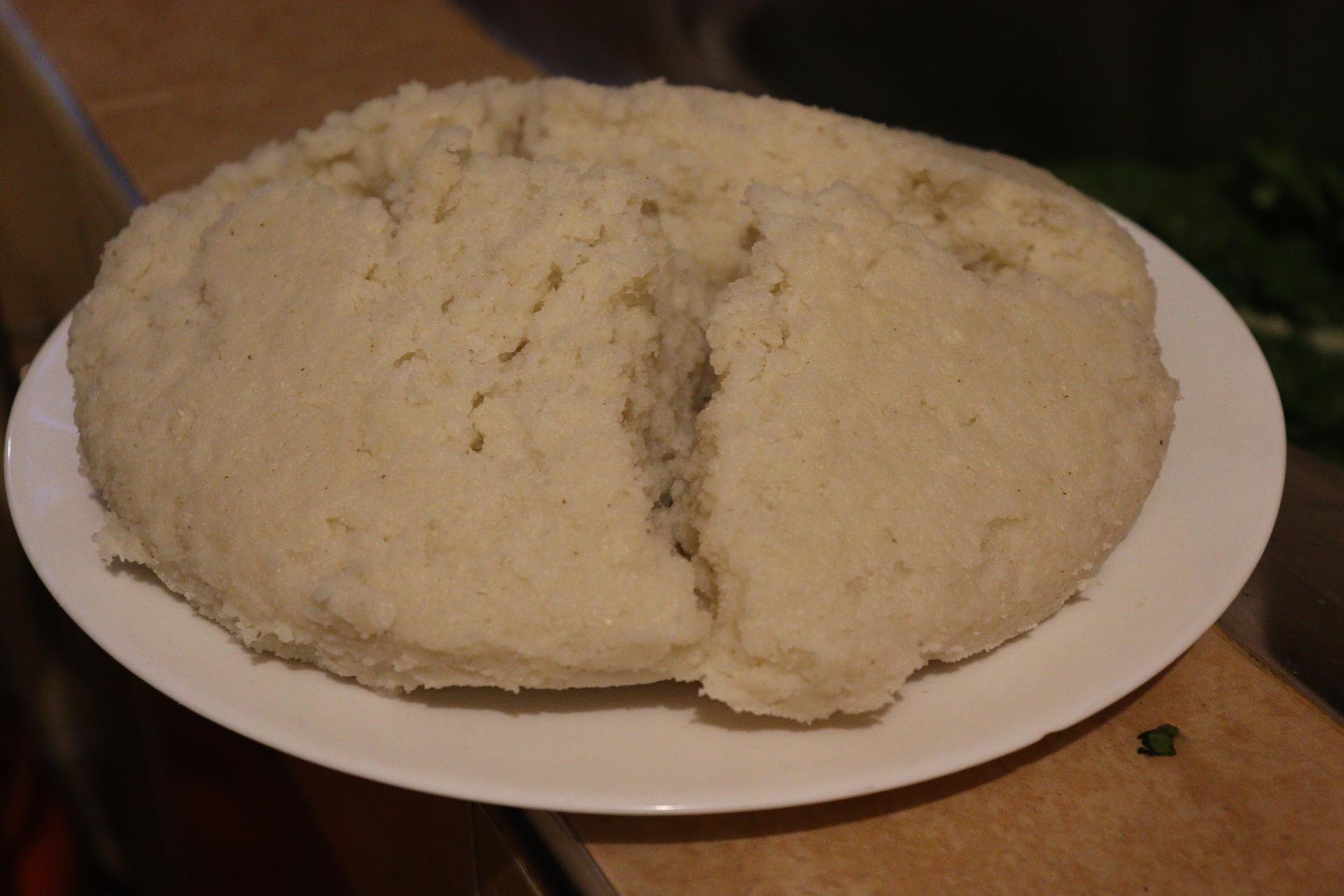
In a tin-roofed kitchen in Nairobi's Kibera settlement, a pot of maize meal thickens over a charcoal jiko, stirred into the stiff white ugali that has anchored the Kenyan table for generations. It is the cheapest way to fill a family, which is exactly why its price matters so much. This week, that humble pot became a line in a national argument over taxes — and a fresh worry for the hundreds of thousands of Kenyans who keep those kitchens running from thousands of miles away.
On Thursday, Treasury Cabinet Secretary John Mbadi was due to present Kenya's 2026/2027 budget, the centrepiece of a Finance Bill 2026 that is still moving through public hearings. Among the new proposals and the levies already on the books, manufacturers say, is a quiet machinery that is pushing up the cost of everyday goods — from a two-kilogramme bag of unga to a strip of painkillers. For families at home, it means tighter budgets. For relatives abroad, it means the monthly transfer has to do more work than it did a year ago.
A Staple Under Pressure
The warning that caught the most attention came from the Kenya Association of Manufacturers, the country's main industrial lobby. Ahead of the budget reading, the association cautioned that unless the government removes certain levies on raw materials, consumers at home and abroad could pay more for staples including unga, avocado and tea, according to reporting by Tuko.co.ke.
The mechanism is not glamorous, but it is revealing. The price of the packaging that carries food — paper, board and the boxes that move produce — has climbed steeply, and that cost is passed along to whatever sits inside. The association said the price of a two-kilogramme bag of unga had already risen by about 20 percent as packaging costs rose. For a household that eats ugali daily, a fifth more on every bag is not an abstraction. It is the difference between a full plate and a smaller one.
The 111 Percent Problem
At the centre of the dispute is kraftliner, the heavy paper used for the outer layer of corrugated boxes. In 2025 the government introduced an excise duty of 25 percent, or 50 shillings a kilogramme, whichever is higher, on kraft paper products. Stacked on top of import duty, value-added tax, an export levy, an import declaration fee and a railway development levy, the cumulative tax burden on kraft paper has risen to roughly 111 percent over three years, the manufacturers said — up from below 50 percent.
The effect on local industry has been blunt. Capacity utilisation has fallen to about 33 percent for bags and balers and 55 percent for corrugated cartons, while imports of finished packaging have surged. Three paper-converting plants have closed in three years, the association said, including a tea-bag plant in Mombasa that took 80 direct jobs with it. Each closure is a small story of its own: a shift supervisor, a forklift driver, a young accountant — people who, in another year, might themselves have become the family's breadwinner or its emigrant.
When the Tax Reaches the Export Box
The squeeze does not stop at the kitchen. Kenya's export economy — the flowers, the avocados, the tea that earn the foreign currency the country depends on — moves to market inside those same boxes. The manufacturers said the cost of a four-kilogramme avocado export box had risen 25 percent, from 104 to 130 shillings, while a flower box had climbed from 197 to 247 shillings. A ten-kilogramme box rose 17 percent.
Those few shillings travel all the way to the auction floor. A more expensive flower box makes a Kenyan stem cost more than a Colombian or Ethiopian one, the association warned, in a trade where margins are thin and buyers are loyal only to price. The diaspora has a stake here that is easy to miss: the same export earnings that steady the shilling also underpin the value of every remittance sent home. Weaken the export sector, and the money wired from Dallas or Dubai buys a little less when it lands.
More Than Flour
Packaging is only one front. In its analysis of the Finance Bill 2026, the manufacturers' association, led by chief executive Tobias Alando, flagged proposals to reclassify a range of goods from zero-rated to VAT-exempt — a technical change with a real-world bite. When a product is merely exempt, producers cannot reclaim the VAT they pay on raw materials, so the hidden cost is folded into the shelf price. The association warned this would raise the cost of locally made medicine, threatening years of work to build domestic pharmaceutical capacity, and would disadvantage local assemblers of electric vehicles and mobile phones.
There is also the on-again, off-again excise on coal — 2.5 percent in 2024, scrapped in 2025, and proposed again at 5 percent — that feeds into the price of cement and steel, and so into the cost of the houses many in the diaspora are building back home. A separate proposal to levy a 25 percent excise on mobile phones, critics say, could blunt the digital tools that families use to stay close and to move money. Taken together, the measures sketch a household budget under pressure from several sides at once.
A Budget Read in Two Places
None of this is settled. The Finance Bill 2026 is still in public participation, and the government has, in the past, withdrawn unpopular measures under pressure — as it did with a proposed electricity tariff review. The manufacturers frame their warnings not as opposition but as a plea for predictability, arguing that constant changes to tax law scare off the long-term investment that creates jobs. The Treasury, for its part, must still find the revenue to fund a budget that runs into trillions of shillings.
For Kenyans abroad, the budget reading is more than a domestic event to scroll past. Diaspora remittances reached more than 4.8 billion dollars in 2024, according to Central Bank of Kenya data — the single largest source of foreign exchange, outstripping tea, tourism and coffee. Much of that money does not buy luxuries. It pays school fees, clears hospital bills and, very often, simply keeps food on the table. When the price of unga rises by a fifth, it is frequently a son in Manchester or a daughter in Doha who quietly makes up the difference.
That is the part of the budget that does not appear in any speech: the way a tax decided in Nairobi ripples out to a bank transfer initiated at midnight on the other side of the world. As the figures are read at home, many in the diaspora will be doing their own arithmetic — working out, once again, how to make a familiar sum stretch a little further.