The Taxman's Longer Reach: How Kenya's Hunt for Revenue Lands on the Diaspora's Rentals and Returns
As Nairobi chases a record Ksh4.82 trillion budget, new powers to freeze assets and a flagged rental-income gap put the diaspora's favourite investment squarely in the crosshairs.
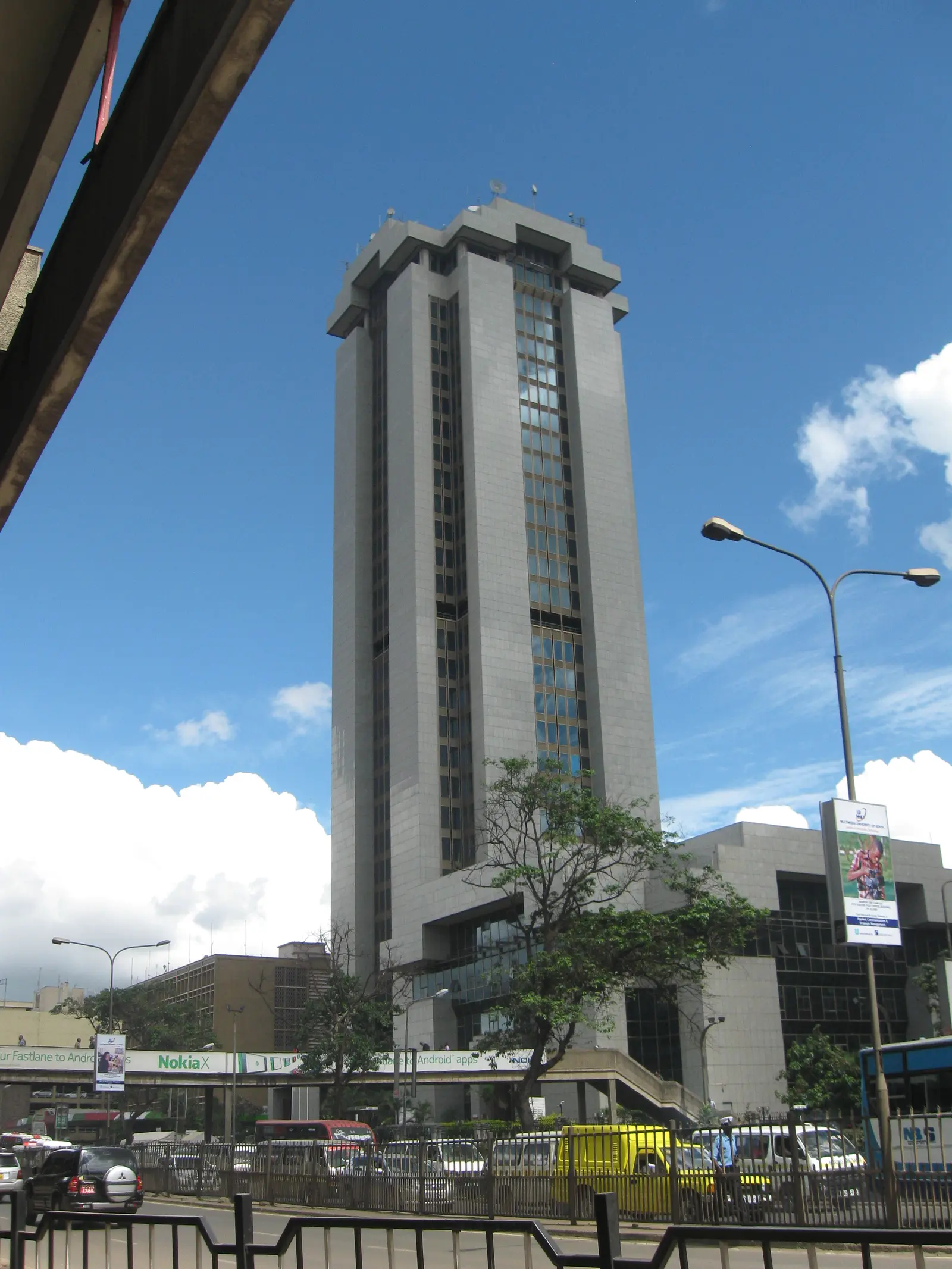
For a nurse working nights in Manchester or a software engineer in Atlanta, the most tangible proof of a life built across two continents is often a single building back home: a two-bedroom block in Syokimau, a maisonette in Kitengela, a row of shops in Nakuru paid for, brick by brick, with money wired across an ocean. The rent lands by mobile money on the first of the month, a quiet confirmation that the years away are buying something solid. This week, that quiet arrangement acquired a new and watchful audience in Nairobi.
On June 12, the Kenya Revenue Authority appeared before the National Assembly's Departmental Committee on Finance and National Planning with a number it wanted members to sit with. Out of a potential Ksh100 billion in rental-income tax, Commissioner General Adan Mohamed told the committee, the authority collects barely Ksh16 billion. "Very few Kenyans carry the burden of taxation in this country," he said, noting that only about 12,000 companies pay the taxes due from them. The message was unambiguous: the base is too narrow, and the search for those outside it is about to intensify. For a diaspora whose signature investment is Kenyan property, that search points homeward.
A Landlord Half a World Away
Nobody knows exactly how many rental units in Kenya are owned by Kenyans abroad, but anyone who has attended a diaspora investment forum knows the pattern. Property is the asset that feels safe from a distance. It can be managed by a relative, it appreciates in shillings, and it stands as a marker of intent to return. The trouble is that the same distance that makes property attractive also makes its income easy to leave undeclared. A landlord in Birmingham rarely files a Kenyan rental-income return; the tenant pays, a sibling collects, and the tax question is filed under "later." KRA's pitch to Parliament is, in effect, that "later" has arrived.
The Bill That Widens the Net
The instrument is the KRA (Amendment) Bill, 2026, which would stretch the authority's enforcement mandate well beyond ordinary tax assessment. Its headline provision targets employers who deduct pension contributions from staff salaries but never forward them to retirement schemes. To chase that money, KRA wants to deploy the same recovery tools it already uses against tax arrears: agency notices, garnishee orders, the freezing of bank accounts, and the preservation of a defaulter's assets. As of June 2026, unremitted pension contributions stand at Ksh66.41 billion, down from an earlier peak of Ksh72.5 billion, money docked from workers who may discover the gap only years later when they retire.
The pension clause is the part with a sympathetic victim, and it is likely to pass with little resistance. But what matters for anyone with assets in Kenya is the precedent: a revenue agency acquiring faster, harder tools to attach property and bank balances. Powers built to punish a delinquent employer do not stay in their lane. Once the machinery exists, the rental landlord, the shop owner, and the small-scale developer fall within reach of the same notices.
A Budget That Has to Be Fed
None of this is happening in isolation. It is the enforcement arm of a budget that has to be paid for. Kenya this month unveiled its largest-ever spending plan, a Ksh4.82 trillion budget, and handed KRA an ordinary-revenue target of Ksh2.99 trillion for the 2026/27 financial year. Treasury Principal Secretary Chris Kiptoo has said proposed measures in the Finance Bill 2026 are expected to raise roughly Ksh98 billion in additional revenue. Those are not numbers that can be met by squeezing the same 12,000 companies harder. They require widening the net, and the widest untaxed pools the authority can name in public are rental income and the informal economy, both heavily populated by money that originated abroad.
The Pension Tug-of-War
Layered on top is a second fight that reaches every Kenyan payslip. Speaking in Kakamega on June 13, President William Ruto defended the push for higher National Social Security Fund contributions, the scheme under which employees now save 6 per cent of their wages and employers match it with another 6 per cent. He framed it as nation-building, noting that NSSF assets had grown from Ksh312 billion to Ksh670 billion in two years, with a target of Ksh1 trillion by 2027. "All that money is for that employee," he said.
The courts are less settled. A Court of Appeal ruling on May 29 dismissed an application to suspend an earlier judgment that declared the NSSF Act, 2013, unconstitutional, yet the Fund instructed employers on June 5 to keep deducting at the enhanced rates, a position the Federation of Kenya Employers endorsed. The Law Society of Kenya disagrees sharply. Its president, Charles Kanjama, warned on June 13 that employers risk legal action if they keep deducting the higher amounts without a valid legal basis, and said they should either revert to the old Ksh200 monthly rate or secure employees' consent. The result is a country where the rules on a worker's own savings depend on which authority you believe this week.
What It Means for Money Sent Home
For the diaspora, these threads converge on a single calculation: the risk profile of money sent home is changing. Remittances remain the steadiest pillar of the economy, recently running at record monthly highs, and a growing share of that money no longer stops at school fees and groceries. It builds rentals, capitalises small businesses, and feeds SACCOs. A more aggressive KRA does not make those investments worthless, but it does make them more visible and less casual. The relative in charge of collecting rent may soon need to keep records, file returns, and budget for a tax bill that the family had treated as optional. Compliance, long an afterthought, becomes part of the cost of owning anything in Kenya from afar.
The Return Question
There is also the longer horizon that animates much of the diaspora's planning: the eventual move back. For the returnee who imagines re-entering Kenya's formal economy, the emerging picture is double-edged. A bigger NSSF pot and a wider tax base are, in principle, the scaffolding of a more credible state, one that can fund hospitals, roads, and pensions without lurching from one debt crisis to the next. But the same reforms raise the everyday price of formality, from payroll obligations to the scrutiny that follows declared assets. Whether that trade reads as reassurance or warning will depend on how evenly the new powers are used, and how transparently the swelling savings are managed. For now, the diaspora's brick-and-mortar bet on Kenya still stands. It is simply no longer invisible.