The Funnel at Dulles: How an Ebola Outbreak Two Borders Away Is Closing Doors on East Africa's Diaspora
A Bundibugyo virus outbreak in Congo and Uganda has spared Kenya — yet a widening wave of Western entry rules is sweeping up East Africans who live nowhere near it.
For a Kenyan nurse in Minneapolis who has not seen her mother in three years, the most consequential sentence written this month was not spoken in Nairobi or Kampala. It was a line of administrative guidance in Washington: travellers who have set foot in the Democratic Republic of Congo, Uganda or South Sudan within the past 21 days may now enter the United States through a single airport. Not the nearest one. Not the cheapest one. One doorway, Washington Dulles International, where enhanced screening waits on the other side of the jet bridge.
She has been to none of those three countries. Her passport says Kenya, a nation the World Health Organization and European disease trackers still list as unaffected. And yet, like tens of thousands of East Africans abroad, she now plans her summer around a paragraph written for an outbreak that has not crossed her country's border.
A single doorway into America
The Bundibugyo virus outbreak now moving through eastern Congo and parts of Uganda has produced a cascade of border measures far larger than the outbreak's own footprint. As of mid-June, the United States, Canada, the Bahamas, Bahrain, Jordan and Rwanda had each announced Ebola-related entry bans or suspensions of immigration documents touching travellers with recent residence in, arrival from, or presence in the DRC, Uganda or South Sudan, according to data compiled by the European Centre for Disease Prevention and Control.
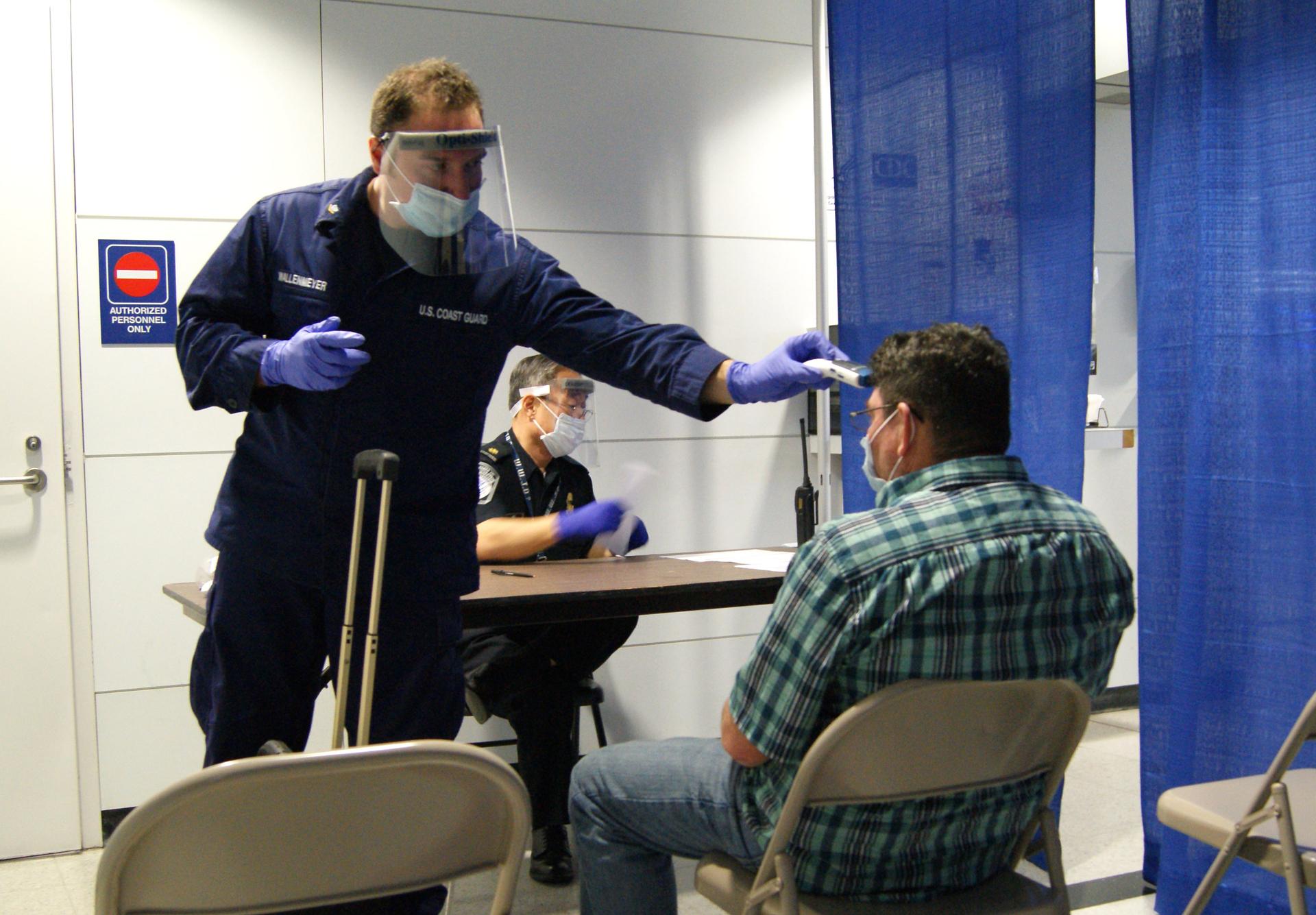
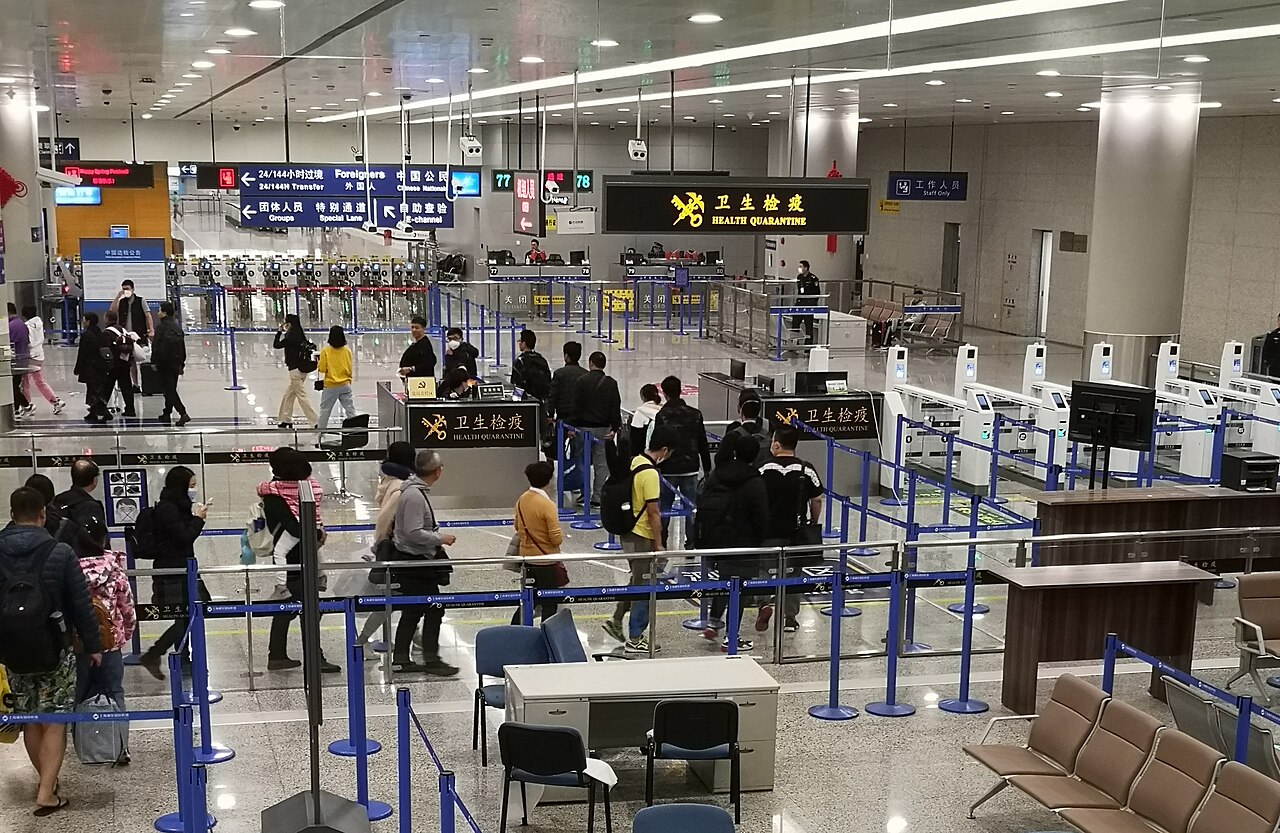
The American rule is the one the diaspora discusses most, because it changes the physical shape of a journey. Since late May, US citizens and lawful permanent residents who have been in the three named countries within three weeks of arrival must funnel through Washington Dulles for screening before continuing onward. For a traveller connecting through Nairobi or Addis Ababa, the practical question becomes less about health and more about logistics: rebooked flights, missed connections, longer layovers, and the quiet anxiety of a secondary inspection line.
An outbreak two borders from Nairobi
The medical facts are sobering but geographically narrow. Bundibugyo virus is one of the species within the ebolavirus family, less familiar to the public than the Zaire strain behind the catastrophic West African epidemic a decade ago, but capable of severe, often fatal disease. Congo's health ministry reported 837 confirmed cases and 196 confirmed deaths, with hundreds of patients hospitalised in isolation, in figures circulated in mid-June. Uganda, sharing a long and porous frontier with the DRC, closed border crossings with its neighbour, suspended direct flights, and halted bus and boat crossings for a four-week window, allowing exceptions only for response teams, humanitarian convoys, cargo and security under strict screening.
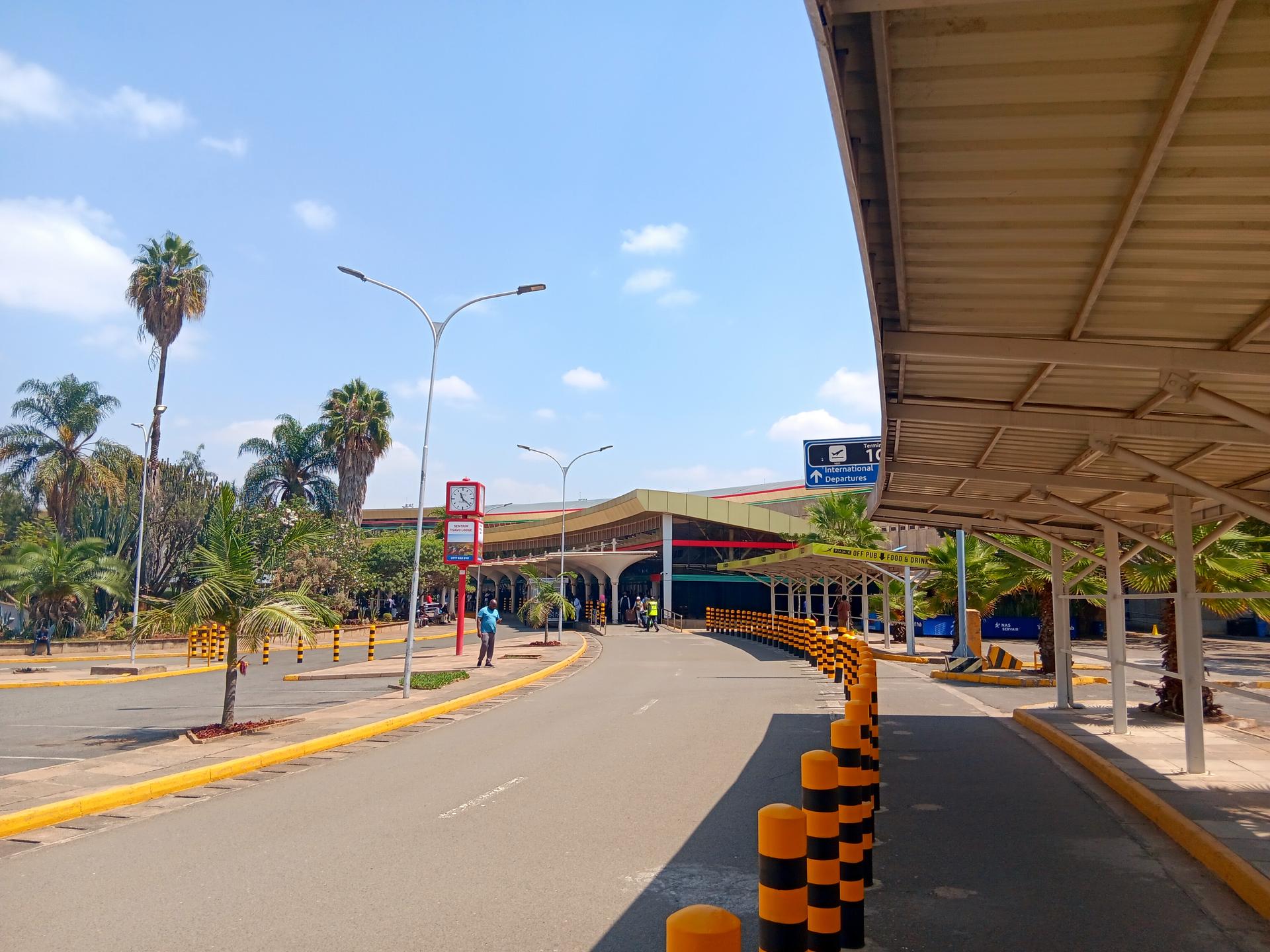
Kenya sits outside this circle. East African disease surveillance and international monitors continue to classify Kenya and Tanzania as open and unaffected. That distinction matters enormously to the families who depend on the corridor between Nairobi and the West — and it is precisely the distinction that the broadest travel measures blur.
The paperwork that stopped moving
For many in the diaspora, the sharpest disruption is not the screening line but the silence at the visa window. Several of the announced measures involve not only physical entry bans but the suspension of immigration-document processing for people connected to the affected countries. A pending green-card step, a visitor visa for a parent, a student's renewal — each can be slowed when a consulate pauses categories of applications as a precaution.
These pauses rarely make headlines, yet they reshape lives. A graduation a grandparent hoped to attend, a birth a sibling wanted to witness, a funeral that cannot wait for an appeals process: the diaspora measures time in such events, and an outbreak response that suspends paperwork converts a public-health emergency into a private calendar of postponements. The frustration is compounded by uncertainty, because the rules are provisional, reviewed in weeks rather than months, and not always announced through the channels ordinary travellers read.
When the map is drawn by fear, not geography
The most contentious thread running through this episode is the gap between where the virus is and where the restrictions land. Kenya, with no recorded outbreak, has nonetheless found itself on the receiving end of foreign caution. Nairobi publicly objected this month after Israel introduced Ebola-linked travel restrictions touching Kenya, with the Foreign Affairs principal secretary, Korir Sing'Oei, rejecting the measure as disconnected from the epidemiological reality on the ground.
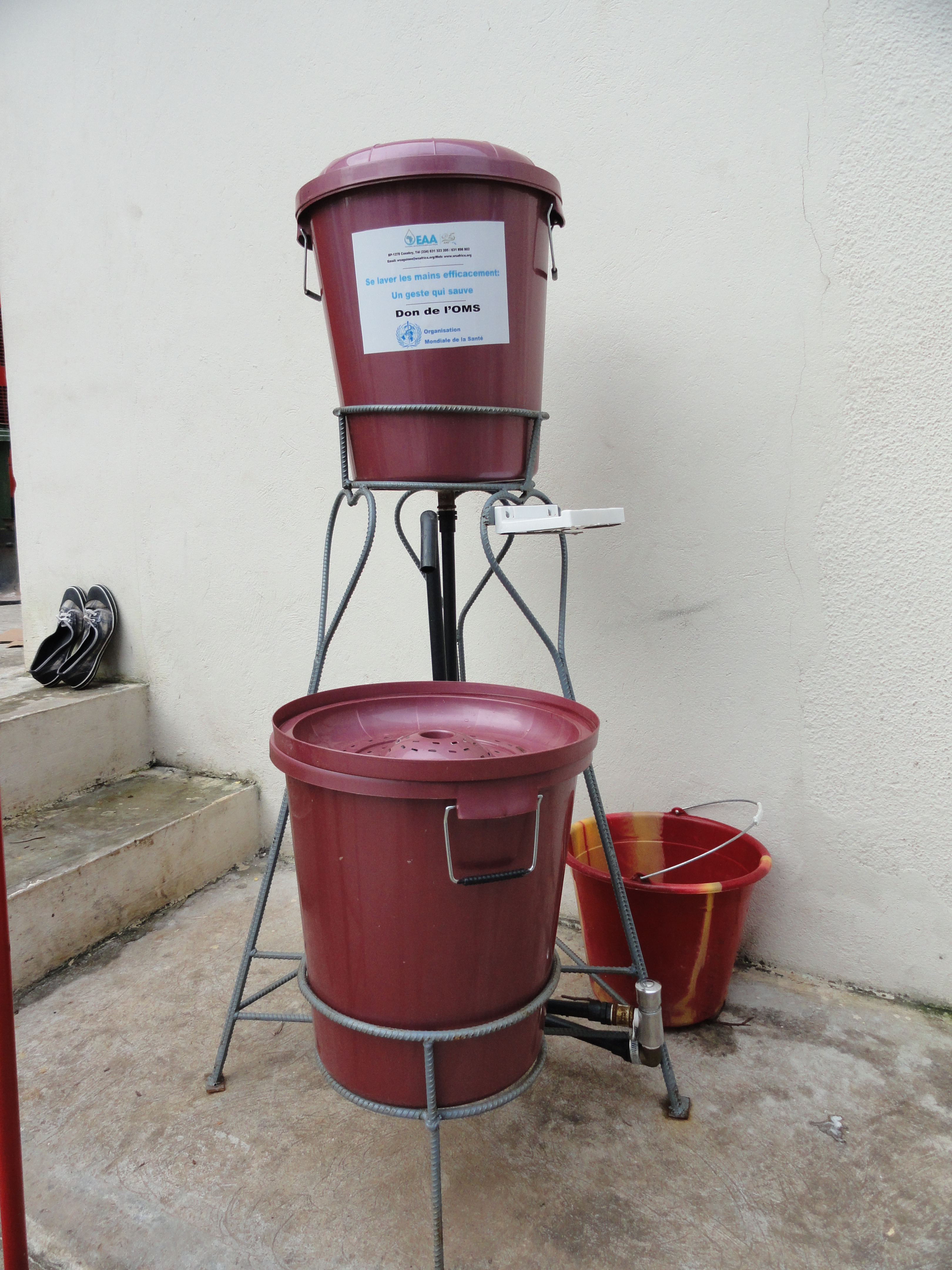
It is an argument with history behind it. During the 2014 West African epidemic, blanket bans and airport panic frequently swept in nations untouched by the disease, damaging economies and stigmatising whole passports while doing little to stop transmission. Public-health specialists have long argued that screening and surveillance — the patient, unglamorous work of checking the right travellers from the right places — protect borders more effectively than broad bans that punish geography rather than exposure. Kenya, Tanzania and several other governments have opted for that narrower toolkit, applying health screening, traveller forms and surveillance to arrivals from or through the affected zone rather than closing doors outright.
What the diaspora can actually do
For East Africans abroad, the practical advice this season is unglamorous but real. Entry rules are changing week to week, so the only reliable source is the official one: the destination country's current public-health guidance and the relevant embassy notices, checked close to the date of travel rather than at the time of booking. Travellers routing through Nairobi or Addis who have not been in the DRC, Uganda or South Sudan should keep documentation of their itinerary, since the measures hinge on recent presence in named countries, not on nationality alone.
Those with pending immigration cases tied to the affected region are wisest to confirm the status of their specific application directly, rather than assume a general pause applies to them. And for the many whose journeys remain perfectly permissible, the better part of wisdom is patience at the screening line — an inconvenience, not a closed door.
The outbreak will, in time, be contained; the diaspora has watched this cycle before. What lingers is the reminder that for families stretched across continents, a virus need not reach your home country to reorganise your year. Sometimes it only has to reach a paragraph.