The Fourth Without Fireworks: Wildfires, Smoke and an Anxious Holiday for Kenyans in Colorado and Utah
Three firefighters are dead, more than 150 homes have burned, and July 4 celebrations are going quiet across two states where Kenyan communities have put down roots.
On Wednesday night, the giant illuminated star that sits on the mountainside above Palmer Lake, Colorado, was switched on out of season. The town lights it each December for the holidays. This week it burned for a different reason: three federal firefighters killed while battling a wildfire on the Colorado–Utah border, in a fire season that has arrived early, hard and everywhere at once.
For the tens of thousands of East Africans who have made the American Mountain West home — in Denver and Aurora's church halls, in Colorado Springs' running circles, in Salt Lake City's university corridors — the week before America's 250th birthday has become something few of them have experienced in their years abroad: a holiday defined not by fireworks, but by evacuation maps, smoke forecasts and cancelled celebrations.
Four Fires and a Border Burning
The deaths that the Palmer Lake star commemorates came on the Snyder fire, which ignited on the Colorado–Utah border and had burned more than 30,000 acres by mid-week. The three firefighters were killed during initial attack operations over the weekend, the Colorado Sun reported. By Thursday, fire officials said the Snyder fire was about half contained — the only one of the region's four major border-area fires, alongside the Babylon, Ferris and Gold Mountain fires, to reach that milestone. Together, the four have consumed well over 135,000 acres.
Both states' governors have issued emergency declarations. In Utah, Governor Spencer Cox went further, imposing a temporary statewide ban on personal fireworks through July 5 and backing sweeping restrictions on open flames across federal public lands. In Colorado, the state's Division of Fire Prevention and Control counted fifteen separate wildfires burning at once this week.
Fire commanders describe conditions they say they have not seen before. A historically dry winter left the high country with record-low snowpack, and six months of above-average temperatures have cured grass and timber into fuel. "There is a battle for resources," one federal incident commander told reporters, describing crews being shuttled between fires across the state.
The Day Beulah Burned
The most destructive of Colorado's fires this week was not on the border at all. The Aspen Acres fire broke out before dawn on Monday in Custer County, southwest of Pueblo, and made an eight-mile run through foothills of tinder-dry grass and brush. By Tuesday afternoon, officials confirmed at least 155 structures destroyed — about 100 in Pueblo County and 55 in Custer County — with more than 28,000 acres burned.
The scale of the disruption is easiest to grasp in its details. Deputies cut their way into blocked neighbourhoods with chainsaws. Nearly 370 evacuated animals — horses, goats, family pets — were sheltered at the Colorado State Fairgrounds. The historic Horseshoe Lodge in Pueblo Mountain Park, a beloved landmark, sustained substantial damage. Some 250 firefighters worked around the clock, some going twenty-four hours without proper rest, while eight to ten aircraft dropped water and retardant whenever the wind allowed them to fly.
A Fourth of July Gone Quiet
Across Colorado, the signature ritual of the American summer is being cancelled town by town. Colorado Springs and Pueblo — both under the strictest tier of fire restrictions — called off their professional fireworks displays on Wednesday. Durango, Ouray, Montrose, Alamosa, Cripple Creek and Woodland Park have done the same. Denver, Lakewood and Fruita are replacing rockets with drone shows.
"Sometimes the safest decision isn't the most popular one," the City of Woodland Park said in announcing its cancellation — a sentence that could stand for the whole region's mood this week.
For diaspora families, the Fourth of July is rarely about the fireworks themselves. It is the one long weekend of high summer: the nyama choma gatherings in public parks, the church fundraisers, the graduation parties folded into the holiday because relatives are already off work. Those gatherings now collide with red flag warnings, county burn bans that cover charcoal grills in many areas, and air that is not safe for children or elderly parents to sit in for hours.
The Smoke Finds Everyone
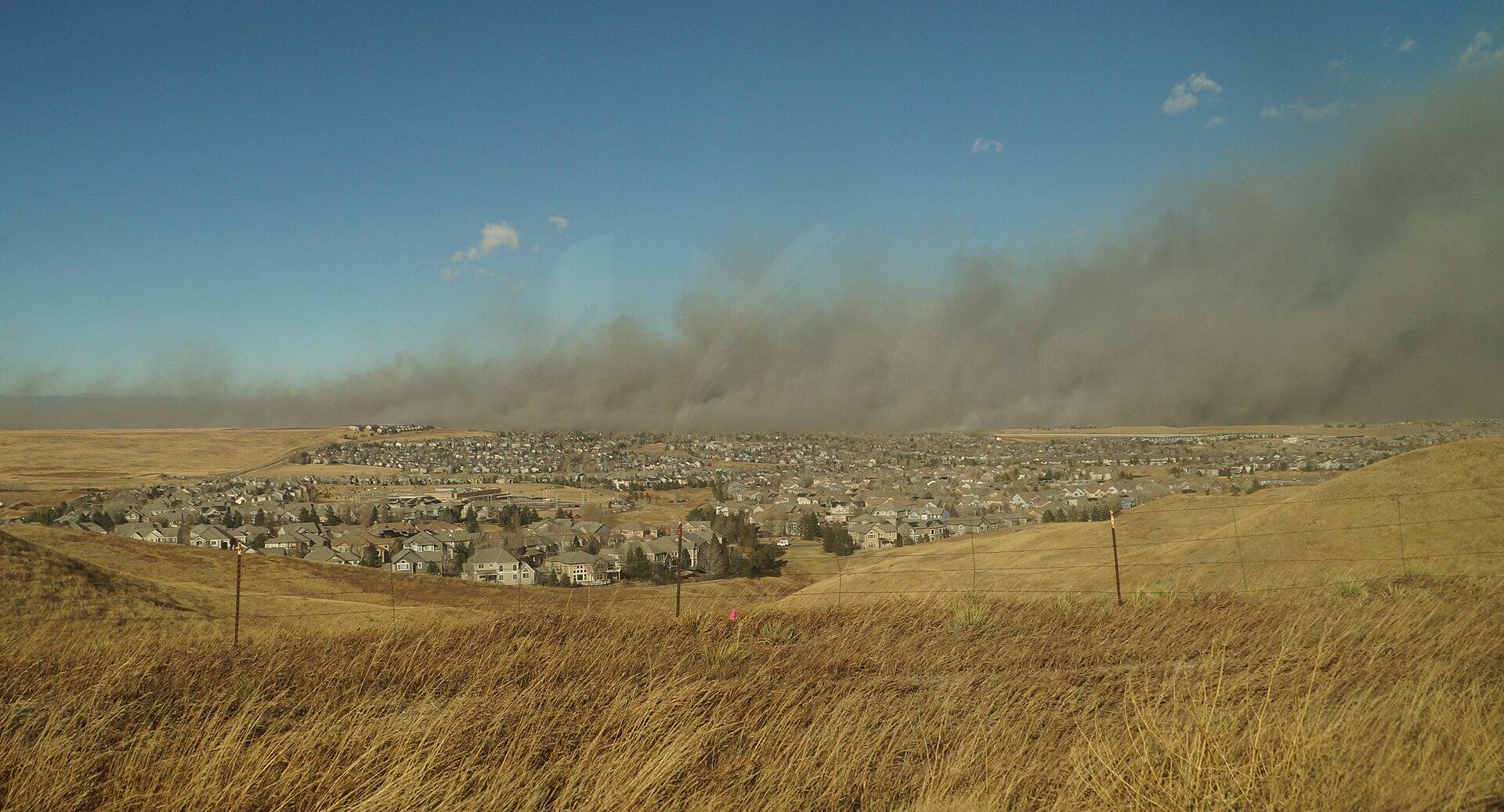
Even households far from any flame are living with the fires. Hazy skies and wildfire smoke blanketed Colorado's Front Range this week, and health advisories were issued in parts of Nevada and Arizona as the plumes drifted, urging vulnerable people to remain indoors. Smoke is the fire crisis's long tail: it reaches the apartment in Aurora and the student housing in Provo just as surely as the ranch outside Beulah.
Public health guidance is consistent and worth repeating within community networks: check a real-time air quality app before outdoor events, keep windows closed on smoky days, and move gatherings indoors when the index crosses into unhealthy territory — especially for asthmatic children and older relatives visiting from Kenya on summer stays.
Where the Diaspora Fits In
Colorado and Utah occupy a particular place on the Kenyan map of America. Colorado Springs and Boulder have drawn Kenyan distance runners for decades, the altitude a familiar echo of Iten and Eldoret. Denver's East African community has grown steadily, anchored by churches, restaurants and a web of professional associations, while Utah's universities and hospitals have pulled in Kenyan students and health workers.
That geography now carries practical obligations. Community leaders elsewhere in the diaspora have learned, through hurricanes and heatwaves, that WhatsApp groups become emergency infrastructure. The same applies here: sharing county evacuation maps, confirming who lives in the pre-evacuation zones south of Pueblo or near Leadville, and checking on new arrivals who may not know what a red flag warning means or that their renter's insurance may cover smoke damage and evacuation costs.
A Drier West, a Harder Calculus
The deeper story is the one fire commanders keep telling. The alpine lakes and snowpack that firefighters once took for granted are at record lows. Fires are running faster, earlier in the season, through fuels that should still be green. For a diaspora that has spent two decades building equity in Mountain West homes — drawn by jobs, schools and mountains that feel like home — the calculus of where to live, what to insure and how to plan a summer is quietly changing.
The Palmer Lake star will go dark again when the mourning ends. The season it marked is only beginning.