The Anniversary They Watch From Afar: How Kenya's Diaspora Marks June 25 as Nairobi Locks Down Again
Two years after Parliament was stormed, Kenyans abroad refresh livestreams, send money for legal funds, and grieve from a distance as police barricade the capital.
A Capital Behind Barricades
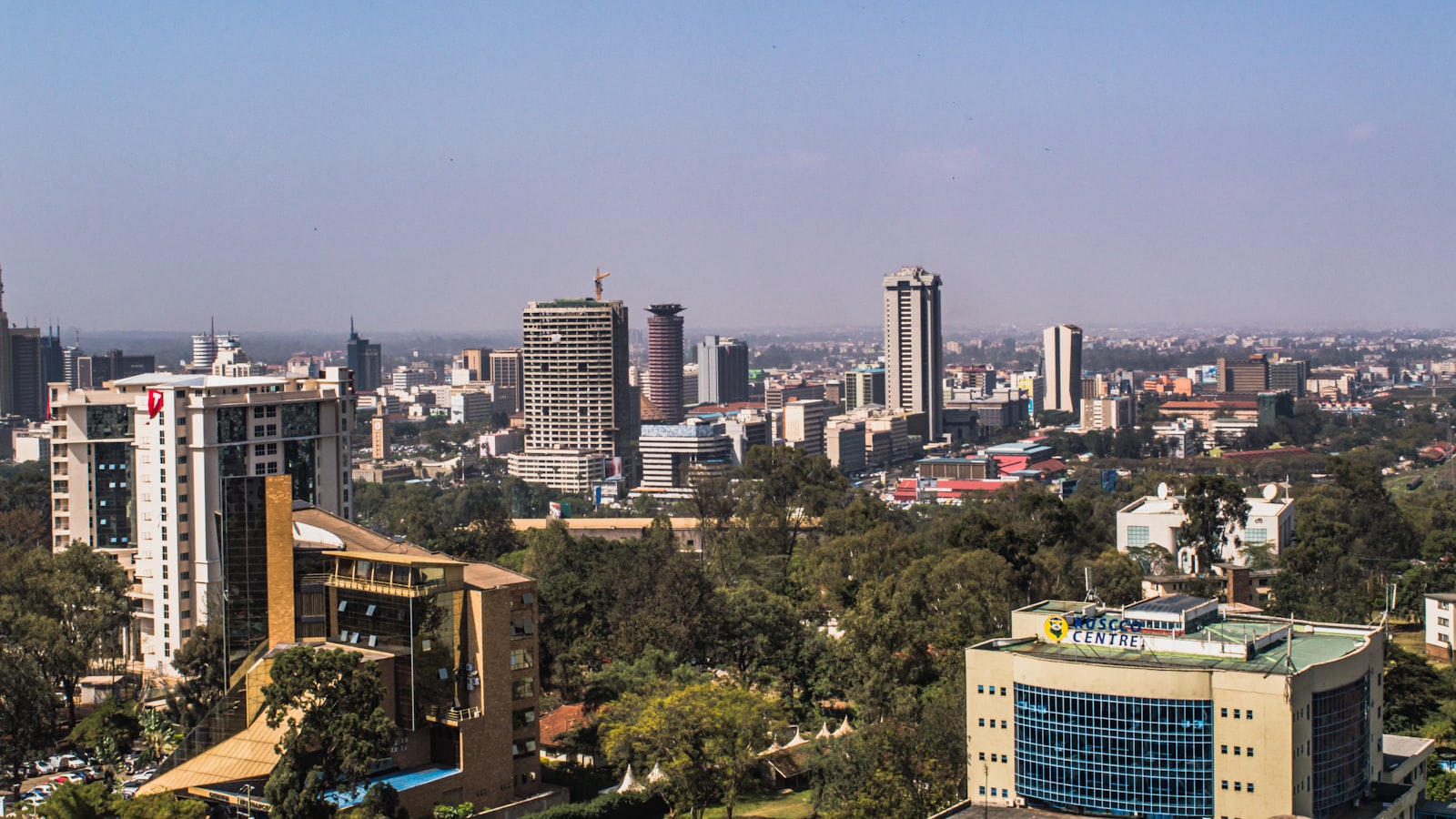
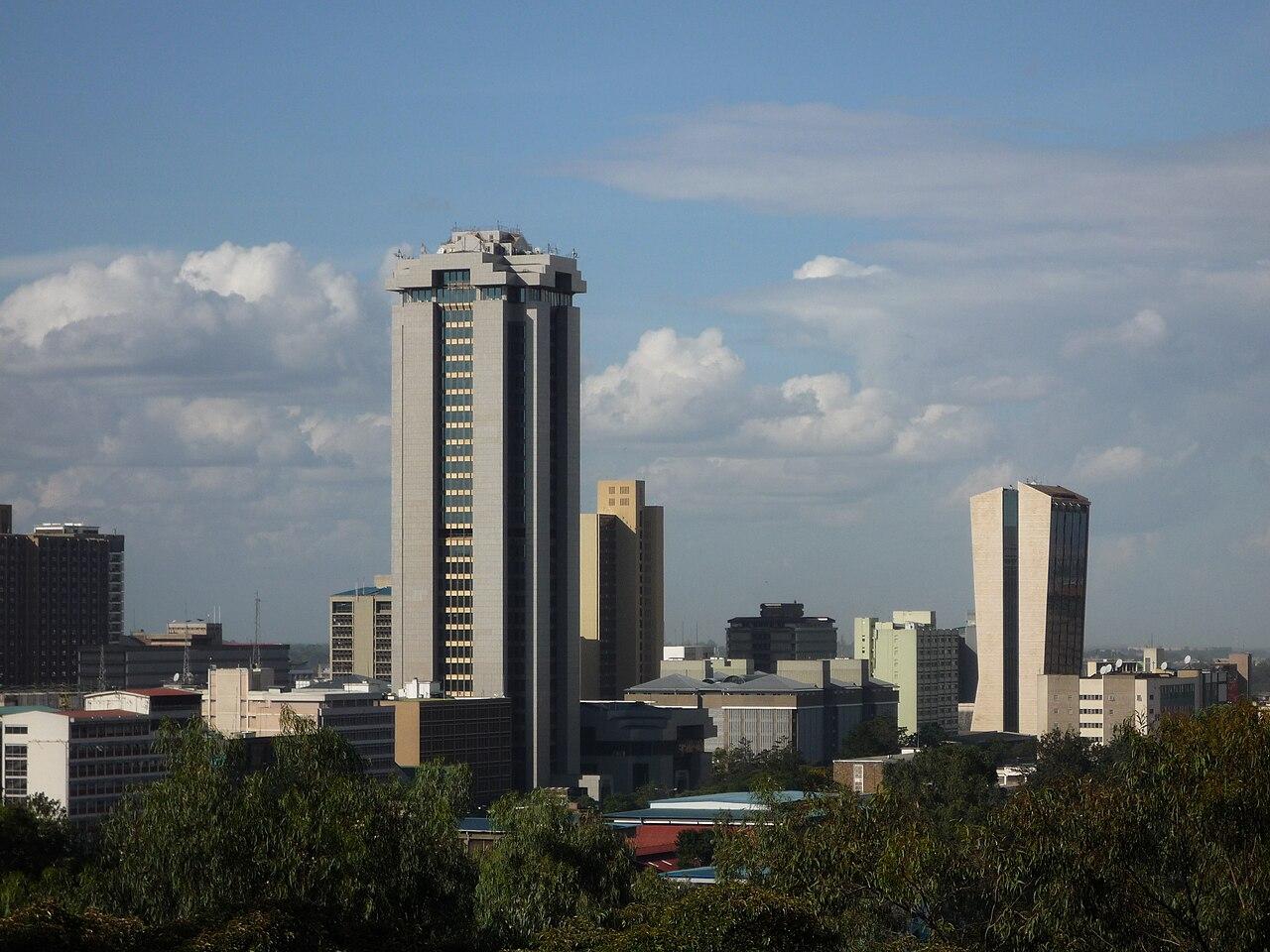
By first light on June 25, Nairobi had narrowed to a series of checkpoints. Police blocked public service vehicles at the city's edges, screened private motorists, and erected barricades that left thousands of commuters stranded for hours on the roads into town. The Daily Nation, tracking the morning in a live blog, described a capital effectively cut off from the rest of the country. Two years to the day after young Kenyans stormed Parliament in protest against the 2024 Finance Bill, the government was taking no chances with the anniversary.
For the roughly four million Kenyans estimated to live outside the country, the lockdown played out on screens rather than streets. In Dallas and Doha, in Manchester and Melbourne, the diaspora woke or stayed awake to watch a familiar ritual unfold: a city bracing, a state on guard, and a generation determined to remember. The distance changed the vantage point, not the stake. Many of those refreshing their feeds had relatives somewhere behind the barricades.
The Movement the Diaspora Helped Carry
The events being commemorated did not belong only to those at home. When the protests against the 2024 Finance Bill swelled into the largest youth-led mobilisation in a generation, Kenyans abroad were part of its scaffolding. They amplified the hashtags that pushed the demonstrations onto global timelines, translated the moment for foreign audiences and newsrooms, and sent money toward the practical costs the movement generated: medical bills for the wounded, legal fees for the arrested, and support for families who lost breadwinners.
That financial reflex is not new. Remittances are the quiet backbone of the Kenyan economy, with diaspora inflows long ranking among the country's largest sources of foreign exchange, outpacing traditional earners such as tea, coffee and tourism. In moments of crisis, those private channels of money and attention turn political. The same accounts that send school fees in calm months become emergency funds when the streets fill. For many in the diaspora, the anniversary is therefore not an abstract date but a memory in which they had a hand.
Watching From Time Zones Away
There is a particular helplessness to following a national reckoning from another continent. The diaspora cannot march on Moi Avenue or stand vigil outside a police station. What they can do is witness, and witnessing has become its own form of participation. Group chats fill with screenshots and status checks. Relatives are messaged with a single careful question: are you home, are you safe. The replies, when they come, are exhaled rather than read.
The emotional arithmetic is complicated. Many left precisely because of the conditions the protests indict, the joblessness and the cost of living that pushed a generation toward visa queues and departure lounges. To watch younger Kenyans demand at home what the diaspora sought abroad is to feel both pride and a quiet ache of survivor's distance. They are spared the tear gas, but not the worry, and certainly not the obligation that follows when the phone rings and a cousin needs help.
A Government on Guard
The state's posture this year was visible well before dawn. The Directorate of Criminal Investigations issued a public advisory on June 24, calling on Kenyans to uphold peace and observe the rule of law, and warning citizens to remain vigilant against anyone seeking to exploit the commemoration. Interior officials signalled police preparedness ahead of the day, and a security alert circulated through official channels in the hours before the anniversary.
Civil society pushed back in the same window. Rights organisations, including the Law Society of Kenya and a coalition of police-reform groups, issued advisories on the policing of the planned memorial processions, setting out guidelines intended to keep the day from repeating the bloodshed of 2024. The political class, too, weighed in, with appeals from some quarters urging young people to call off street demonstrations altogether. The competing messages captured the country's unresolved argument with itself: whether the anniversary is a wound to be guarded against or a memory to be honoured in the open.
What Changed, and What Did Not
The protests of 2024 left a concrete mark on policy. The Finance Bill at the centre of the unrest was ultimately withdrawn, and in the budget cycles since, the government has steered clear of the kind of sweeping new taxes that lit the original fuse, a caution the Daily Nation has tied directly to the memory of that June. For a movement often described as leaderless, it was a measurable victory.
Yet the grievances that filled the streets have not dissolved. Youth unemployment remains high, the cost of living still bites, and questions about police conduct and accountability for the dead and the missing remain open. It is partly that unfinished business that keeps the diaspora engaged. The anniversary is not only a memorial; it is a status report on a country many left but few stopped loving. Each June 25 becomes a measure of how much has shifted and how much has merely been deferred.
The Distance That Does Not Dull
By mid-morning the barricades had done their work, and the city moved in cautious, throttled rhythms. Abroad, the watching continued. Someone in a kitchen in Atlanta kept a livestream running beside the breakfast dishes. Someone finishing a night shift in Birmingham scrolled the timeline one more time before sleep. The diaspora's role in this story is easy to overlook precisely because it is so undramatic: the refreshed page, the careful message, the transfer sent without fanfare.
But it is real, and it is durable. Migration scatters Kenyans across the map, yet on a day like this the map folds in on itself, and a single date pulls millions back toward the same anxious centre. The barricades can close a capital. They cannot close the distance that the diaspora has spent years learning to live across, nor dull the attention it pays to a home that, for one charged anniversary, feels very close indeed.