The Suitcase by the Door: Why Dozens of Kenyans in South Africa Are Asking Nairobi to Bring Them Home
As anti-migrant mobs sweep South African cities, a Kenyan community group says many of its own now want out — and Nairobi's promise of protection is being tested.

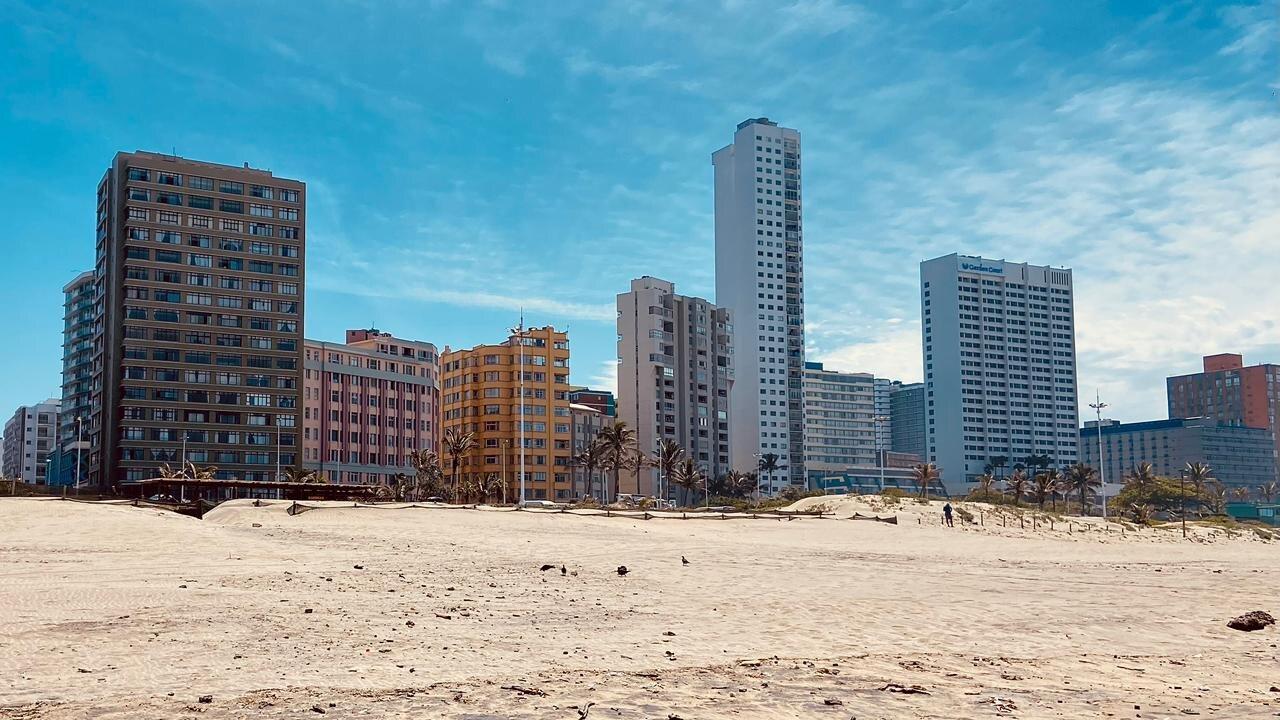
In Durban, the photographs from early June told a story before any official would. Foreign nationals who had fled their homes were sleeping on the pavement, their belongings bundled into whatever they could carry, the city around them carrying on as though nothing had happened. They were Mozambicans and Ethiopians and Malawians, but they could just as easily have been Kenyan — and that is the fear now travelling down the wires to Nairobi.
This week, that fear took the form of a memorandum. At least 50 Kenyans living in South Africa have asked their government to help them come home, citing job losses, intimidation and the growing sense that the next mob could be theirs. The request, reported by Kenya's Daily Nation, was channelled through a community lobby, the Kenyan Diaspora in South Africa, which said the High Commission had agreed to assist those who register for help. For a diaspora that South Africa has long treated as a quiet success story — nurses, accountants, traders, students — it is a startling reversal.
A Plea Carried in a Memorandum
The Kenyan numbers are modest against the scale of the wider crisis, and they come from a single account that should be read as exactly that: a community group's appeal, relayed by one newspaper. The Daily Nation report does not claim a mass evacuation is under way, only that dozens have registered their wish to leave and that the mission has signalled it will help. No flights have been announced. No emergency travel documents have been confirmed issued.
But the appeal matters because of what sits behind it. Kenyans in South Africa are not, for the most part, undocumented day labourers. Many arrived on skilled-worker and study permits, the kind of migration Nairobi celebrates when it counts remittances. That such a community now contains people packing bags and asking to be brought home is a measure of how far the ground has shifted.
How a March Became a Manhunt
South Africa's latest wave of anti-immigrant agitation began in March 2026 and hardened through the autumn months, spreading from Johannesburg and Pretoria to Durban, Cape Town and smaller Western Cape towns. Two movements have driven it. Operation Dudula, which has campaigned for years against undocumented migrants, and a newer outfit, March and March, founded in 2025, have organised demonstrations demanding the removal of foreigners and stricter enforcement of immigration law.
What began as protest has repeatedly tipped into violence. Rights groups, including Human Rights Watch, have documented looting of migrant-owned shops, people dragged from their homes, and crowds demanding to see identity documents in the street. Researchers at the Institute for Security Studies have warned that the state's tolerance of vigilante "verification" of migrants is corroding its own authority, blurring the line between a citizen movement and a licence to attack.
The Bodies and the Bystanders
The cost has not been abstract. By mid-May, multiple outlets reported that several people had been killed since the unrest began. In the coastal town of Mossel Bay, fresh violence in late May left people dead and hundreds displaced. Mozambique's government confirmed that five of its citizens had been killed in attacks in South Africa, and Ethiopian authorities reported fatalities among their nationals elsewhere. In KwaZulu-Natal alone, earlier episodes had pushed more than 5,000 people into emergency shelter.
President Cyril Ramaphosa addressed the nation on 7 June, condemning vigilante violence while also announcing a package of tougher immigration-enforcement measures — a balancing act critics said risked validating the very grievances the mobs claim to act on. The message many migrants took from it was simpler: the danger is real enough that the head of state has had to speak about it.
A Continent Forced to Send Buses
Kenya is not the first to weigh an exit. Other African governments have already moved. Ghana arranged to repatriate roughly 300 of its citizens in late May, and Mozambique organised the return of about 300 nationals on 31 May, with several hundred more brought home from the start of June. The repatriations turned a domestic South African crisis into a continental one, with buses and chartered transport ferrying frightened families across borders.
The diplomatic temperature has risen with it. Ghana requested a debate at the African Union on what it framed as xenophobic attacks against African nationals in South Africa — a request Pretoria pushed back on through its foreign ministry. The United Nations Secretary-General and the African Commission on Human and Peoples' Rights have both urged South African authorities to investigate the abuses, hold perpetrators to account and protect migrants' access to justice. For a country that markets itself as the continent's most developed economy and a champion of African unity, the optics abroad have been damaging; one South African minister acknowledged the attacks were harming the country's image.
What Nairobi Can and Cannot Promise
For Kenya, the episode lands at an awkward moment for its diaspora policy. Nairobi has spent the past year courting its citizens abroad — launching an investment strategy, talking up a diaspora bond, and floating a welfare fund meant to provide emergency support and repatriation when things go wrong. The South African appeal is a test of whether those promises mean anything when the phone rings on a weekend.
The practical questions are unforgiving. A voluntary return is not free: someone must pay for flights, replace lost documents, and help people who may be abandoning jobs, leases and unpaid wages. The High Commission's offer to assist those who register is a first step, but registration is not a ticket home. For Kenyans weighing whether to stay or go, the calculation is brutally personal — years of building a life in Johannesburg or Cape Town set against the possibility, however statistically small, of being the next person dragged into the street.
The Choice at the Door
Most Kenyans in South Africa will not leave. The community is established, and for many the alternative — returning to a Kenyan job market that pushed them abroad in the first place — is its own kind of risk. But the fact that dozens have now formally asked to come home changes the conversation. It turns a story about somebody else's violence into a question Nairobi must answer directly: what is owed to a citizen who leaves to build a future, and then finds the ground giving way beneath them?
For now, the suitcase stays by the door. Packed, but not yet carried out. Whether it is ever lifted will depend less on the mobs in Durban than on whether the promises made in Nairobi turn out to be the kind a government keeps.