The Field Hospital Nobody Asked For: How a US Ebola Plan in Laikipia Put Kenyan Sovereignty on Trial
A 50-bed facility for American Ebola patients at a Kenyan air base has triggered deadly protests, a High Court freeze, and unease among Kenyans across Europe.
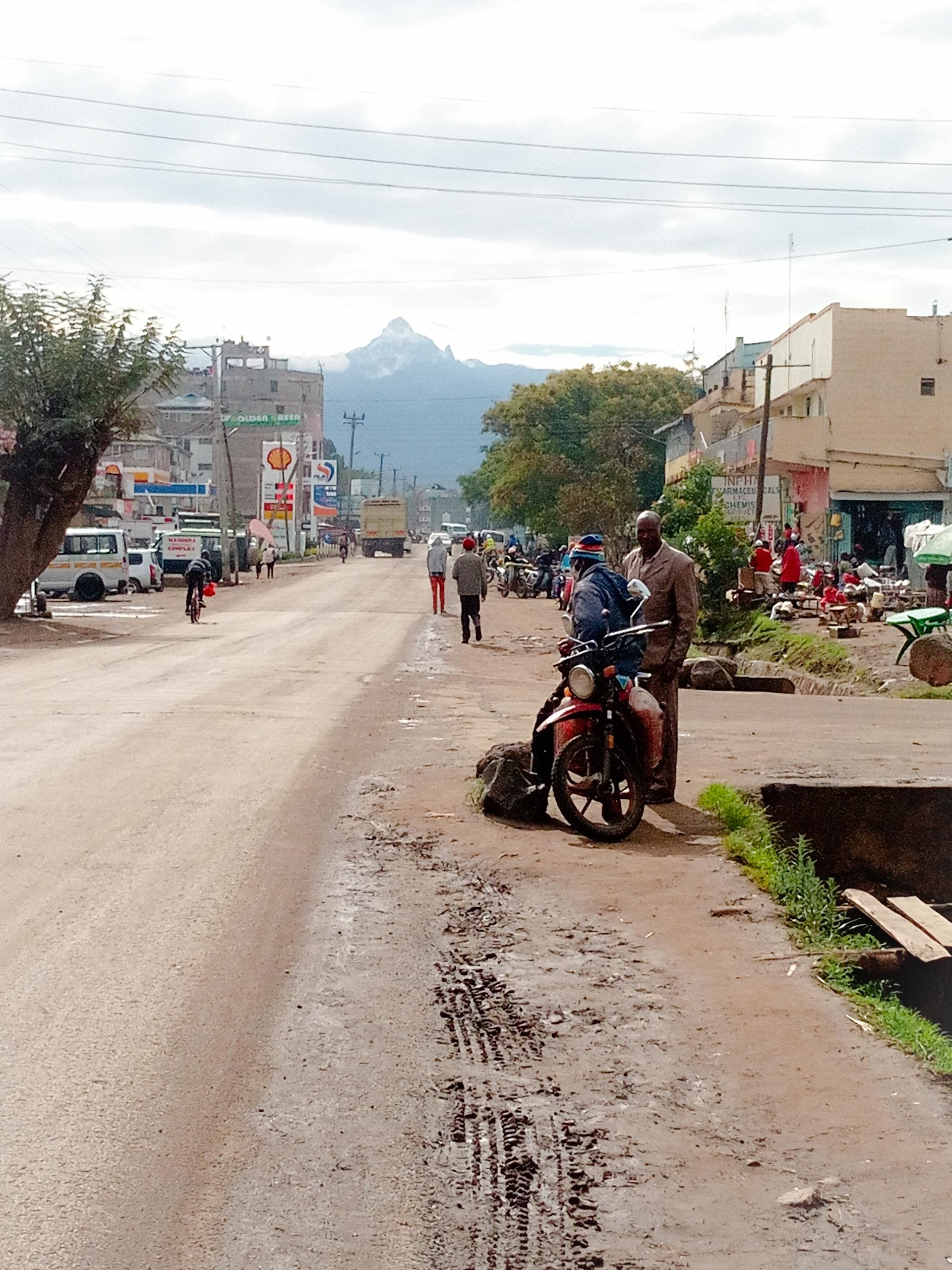
On a normal Monday, the road into Nanyuki carries tourists toward Mount Kenya, traders heading to market, and the steady traffic of a garrison town that has lived beside a military base for generations. This week it carried something else: crowds, placards, and then grief. By the time the protests over a proposed Ebola facility had ended, two people were dead, others were injured, and a quiet corner of Laikipia County had become the centre of a national argument about who decides what happens on Kenyan soil.
The demonstrations were not about the disease itself. They were about a plan, announced by the United States and quietly negotiated with Kenyan authorities, to build a field hospital where Americans exposed to or infected with Ebola could be treated far from home. For the families who marched, the question was simple and raw: why here, and why were they the last to know?
The Facility at the Heart of the Storm
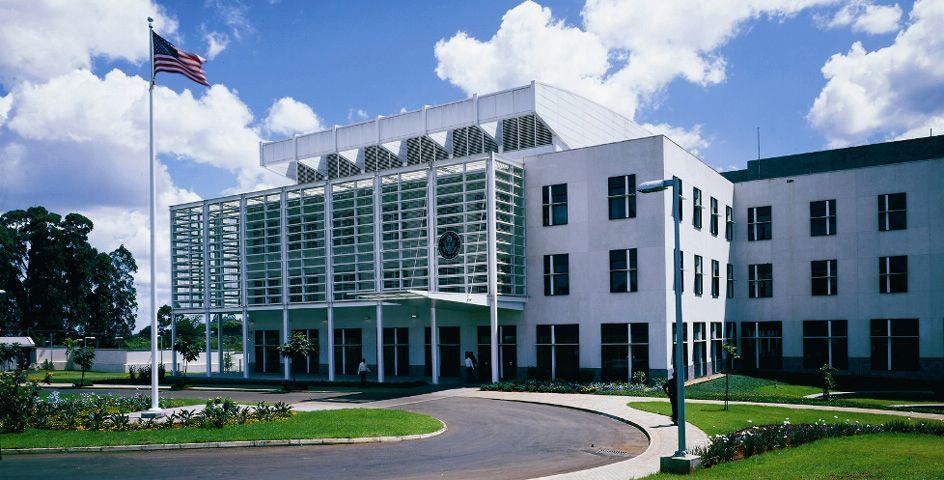
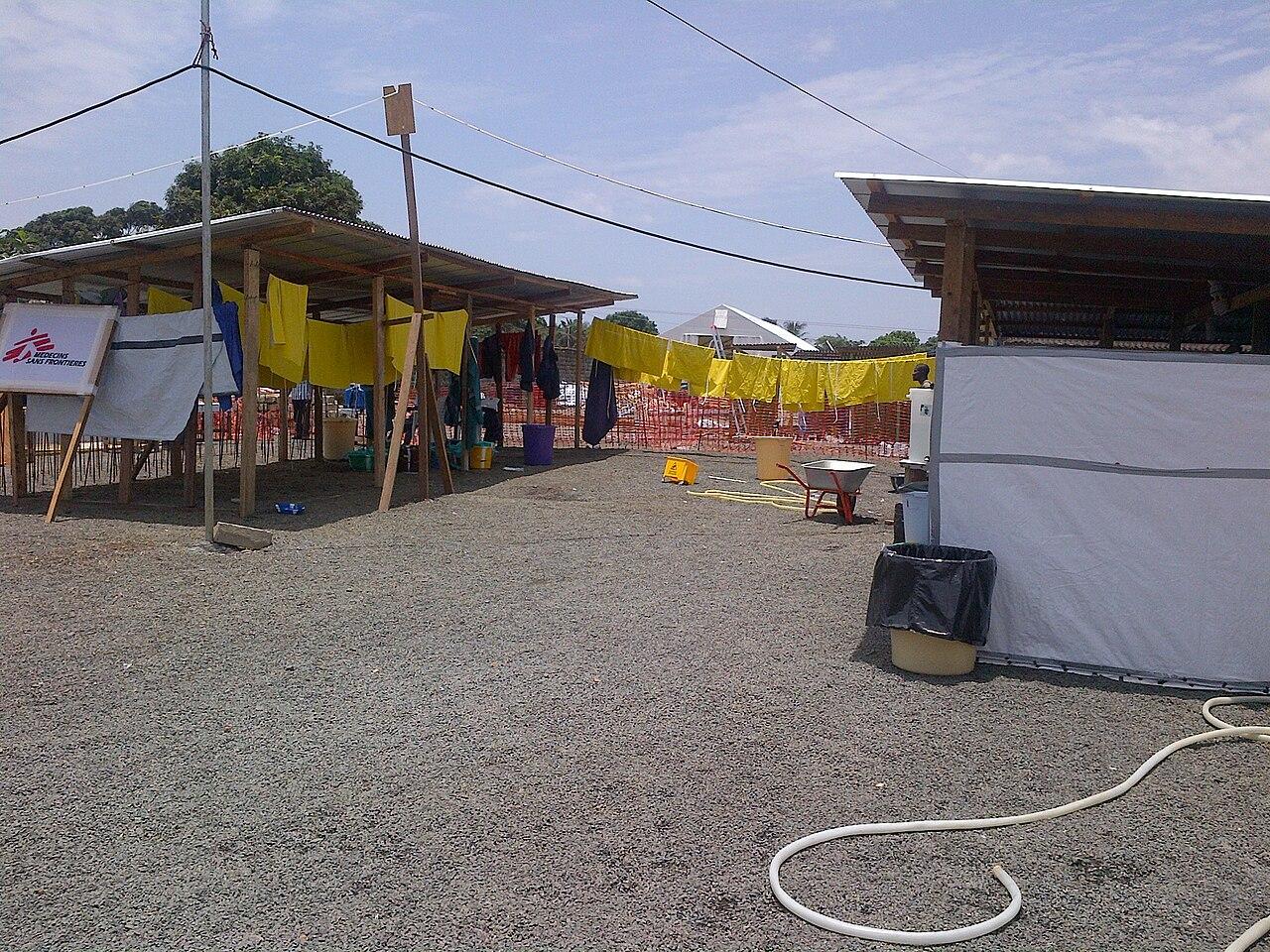
At the centre of the dispute is a proposed 50-bed field hospital, intended to be managed by American medical staff at a Kenyan air force base near Nanyuki, roughly 200 kilometres north of Nairobi. According to reporting by Al Jazeera and The Washington Post, the facility was conceived as a place to quarantine and treat US citizens exposed to Ebola, part of a broader American effort to strengthen its ability to respond to outbreaks abroad.
To its architects in Washington, the logic is the language of preparedness. Regional treatment centres, the US Centers for Disease Control and Prevention has long argued, let responders move quickly when an outbreak crosses borders, rather than scrambling for capacity in the middle of a crisis. The memory invoked is the West African Ebola epidemic of the previous decade, when the world's response arrived slowly and unevenly.
To the residents of Laikipia, the logic looked very different. They were being asked to host a facility for sick foreigners, built around a virus that had not reached their county, with little public explanation of how it would be run, who would be admitted, and what would happen if containment failed. A plan framed in Washington as caution was received in Nanyuki as risk transferred onto people who had never been consulted.
A Court Steps In
The legal challenge moved faster than the construction. In late May, Kenya's High Court intervened, with Judge Patricia Nyaundi ordering a halt to the agreement pending the outcome of a case brought by activists. The order stopped the establishment of any Ebola quarantine, isolation or treatment facility in the country and barred the admission of anyone exposed to the virus while the matter remained unresolved.
The freeze did not end the dispute; it formalised it. In early June the court extended its conservatory orders and went further, directing the government to disclose the agreements and operational protocols underpinning the facility before the next hearing. That demand for transparency cut to the core of the public anger. Citizens were not simply objecting to a building. They were asking to see a deal that had been made on their behalf, and to understand the terms of a bargain they had not signed.
A hearing has been scheduled for later in June, when the court is expected to weigh the disclosed documents and decide whether the project can proceed at all. Until then, the field hospital exists mainly on paper and in the anxieties of the town nearest to it.
Why the Diaspora Is Watching
The story has travelled well beyond Laikipia. Among Kenyans living in Europe, the proposed facility has become a subject of worried conversation, according to Mwakilishi, a leading Kenyan diaspora outlet. For communities that follow home from a distance, the episode touches a familiar nerve: the sense that decisions affecting Kenya's standing and safety can be made quickly, with foreign partners, and explained slowly, if at all.
That concern is not abstract for the diaspora. Many send money home each month, plan eventually to return, and treat Kenya's institutions as the guarantor of the lives and property they are building from afar. A controversy over sovereignty, public consent and the rule of law is, for them, also a question about the reliability of the country they intend to grow old in. When a High Court can freeze a bilateral arrangement and order a government to open its files, some read reassurance; others read instability. Most read both at once.
There is also the matter of reputation. Diaspora Kenyans are acutely aware of how their country is portrayed abroad, and a narrative in which Kenya is cast as a convenient site for other nations' health risks is one many find difficult to accept. The pushback in Nanyuki, in that sense, resonates with a diaspora that has spent years insisting Kenya be treated as a partner rather than a venue.
The Outbreak That Set the Stage
None of this is happening in a vacuum. The wider context is a deteriorating outbreak in Central Africa, where the World Health Organization recently elevated the Ebola risk in the Democratic Republic of Congo to its highest level amid a growing emergency. That regional alarm is precisely what made the American proposal seem urgent to its backers, and precisely what made it frightening to communities asked to live beside it.
It is a tension with no easy resolution. The case for regional treatment capacity is real; outbreaks do not respect borders, and the response to the last great Ebola crisis was widely judged too slow. But the case for consent is just as real. A facility imposed without local agreement, however sound its medical rationale, tends to generate exactly the fear and resistance that undermines any public health effort. Trust, once lost over how a thing was decided, is hard to recover over what the thing actually does.
What Happens Next
For now, the field hospital is frozen by court order, its paperwork due for public scrutiny, its future uncertain. The next hearing will determine whether the project advances, is renegotiated, or is abandoned. Whatever the outcome, the episode has already delivered a lesson that extends well beyond one base in Laikipia: in a country with an assertive judiciary and a watchful public at home and abroad, agreements made in private are increasingly tested in the open.
The two who died in Nanyuki will not see that resolution. Their deaths have become part of the argument, a reminder that questions of sovereignty and consent are not only debated in courtrooms and embassies but felt, sometimes fatally, on ordinary streets. For the families of Laikipia, for the activists in court, and for the Kenyans watching from London, Frankfurt and beyond, the demand is the same one that started the protests: not necessarily no, but first, an explanation.