Twenty Flights and a Suspended Ruling: How the Nanyuki Ebola Site Forces Kenya's Diaspora to Pick a Side
Nearly twenty US military aircraft have landed at a base where Kenyan judges had ordered construction to stop, and Kenyans abroad are watching what their courts can still defend.

The first thing the cousin in Maryland did was screenshot the flight tracker. It was just past nine in the morning Nanyuki time when she sent the image to a family WhatsApp group with relatives in Houston, Limuru and Bristol. A grey speck on a satellite map, slowly losing altitude over the Aberdares, with the tail of a US Air Force C-130 transport stitched into the corner of the screen. "They're still landing," she wrote. "Despite the court order."
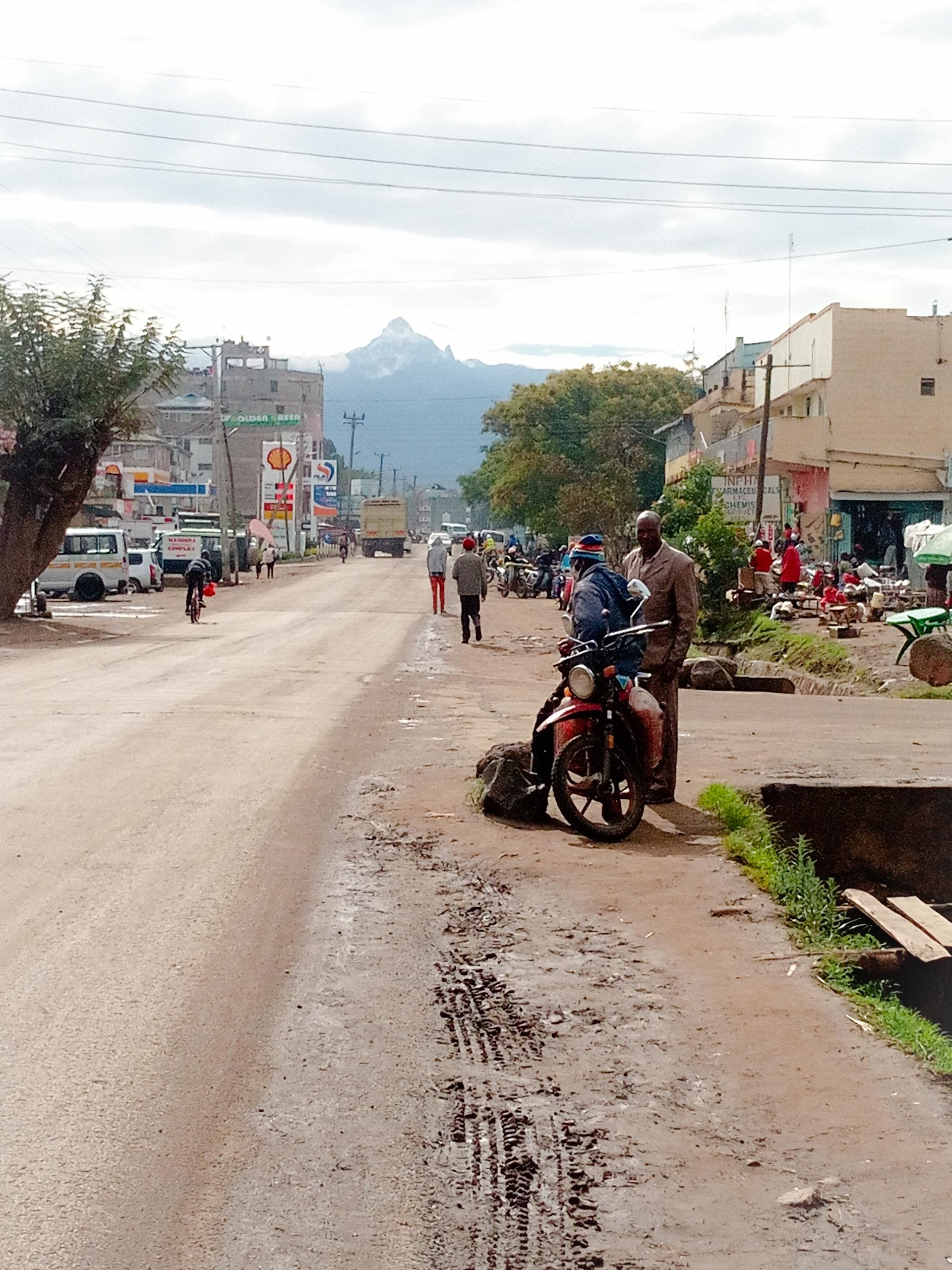
That image, or others like it, has been circulating through Kenyan diaspora chats for nearly a week. By Thursday morning the count had risen to nearly twenty US military flights landing at the Kenyan air force base in Nanyuki since 24 May. According to flight-tracking data cited by the Daily Nation and Reuters, the aircraft — including C-130 and C-17 cargo planes — have continued to arrive even after a Kenyan court suspended construction of the 50-bed Ebola quarantine facility being built there.
For the diaspora, the question is no longer whether the unit will open. It is whether their country's own courts can still stop it.
The Construction That Did Not Stop
On 28 May, a Kenyan court issued the first order pausing all work at the site, where the United States is building what it describes as a 50-bed quarantine unit for Americans potentially exposed to Ebola in the Democratic Republic of Congo and Uganda. Days later, High Court Judge Patricia Nyaundi upheld the suspension, extended it by three weeks and ordered the government to disclose all agreements with Washington before the next hearing on 23 June.
The construction did not stop. According to Mwakilishi and Reuters reporting drawn from open-source flight data, at least six US military aircraft landed at Nanyuki between 24 May and the first court ruling, with at least three more arriving after it. Sources familiar with the project told reporters the unit is "close to completion" and could be operational within days.
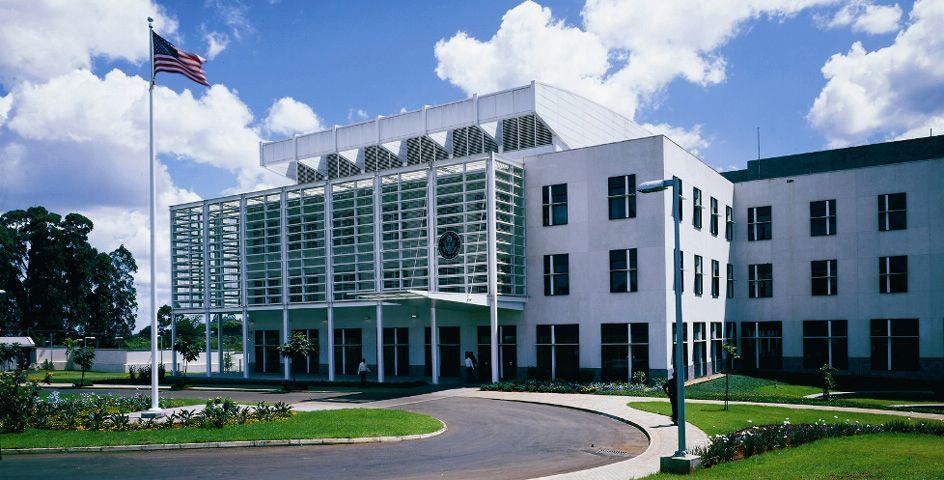
The US Embassy in Nairobi has said it is aware of the legal proceedings and is working with the Kenyan government to address concerns. Privately, sources told Reuters that US officials resumed flights after receiving assurances from Kenyan authorities that preparations could proceed despite the injunction.
A 50-Bed Question About Whose Country This Is
The facility's official purpose is narrowly drawn. Any US citizen at high risk of exposure to Ebola — aid workers, contractors, journalists, embassy personnel returning from DRC or Uganda — would be brought to Nanyuki for a 21-day observation period. Those who develop symptoms would be transferred elsewhere; the State Department has not disclosed where.
Kenyan officials say the facility will also be available to Kenyans. US officials say American nationals receive priority access. Those two sentences sit uneasily next to each other in the diplomatic record, and they sit at the centre of the diaspora's discomfort. For a community that often serves as the front-line public health workforce in the United States, Britain and the Gulf, the idea that 21-day quarantines for Americans would be hosted on Kenyan soil — paid for in part by a $13.5 million US commitment — is being read less as preparedness and more as a question about whose country this is.
Some American public health experts have raised a different worry: that hosting US Ebola quarantines in Kenya could discourage the very medical personnel the United States would need to volunteer in outbreak zones, weakening the international response that Kenyan diaspora nurses and doctors often help carry.
What the Cable from Nairobi Said
A diplomatic cable sent from the US embassy in Nairobi to Washington in early June, parts of which have been reported in Kenyan media, concluded that President William Ruto may have underestimated public opposition to the facility. The cable linked the Nanyuki anger to broader public dissatisfaction over rising fuel costs and to the unresolved bitterness of the 2024 anti-government protests, which left dozens dead and pushed the Ruto administration into a defensive crouch it has never fully left.
In Nanyuki itself, protests against the facility turned deadly last week. At least two men were shot during demonstrations and pronounced dead at Nanyuki Teaching and Referral Hospital, according to a local health official cited by Reuters. Euronews and the Jerusalem Post reported the deaths as resulting from police gunfire during attempts to disperse the crowd.
Speaking to reporters this week, Ruto defended the project as part of Kenya's wider public health preparedness strategy and a continuation of long-standing cooperation with the United States. He did not directly address why construction has continued in apparent defiance of two court orders.
The Diaspora's Quiet Watching
Inside the diaspora, the conversation has split along familiar lines. In Kenyan WhatsApp groups in Washington, London and Sydney, some members frame the Nanyuki facility as Kenya's chance to lead an African pandemic-response architecture — a piece of strategic infrastructure that, in their telling, only a country with Nairobi's diplomatic standing could host. Others see a sovereignty failure: an American operation built on Kenyan land, primarily for American citizens, on a base Kenyan judges have ordered closed.
What unites those two camps is what the cable from Nairobi already named — a watching. Kenyan diaspora civic groups in the US have begun circulating petitions calling on the Kenyan executive to comply with the court orders, regardless of the eventual public-health verdict on the facility. In Britain, smaller meetings of Kenyan health workers have surfaced a related fear: that the precedent set in Nanyuki could shape how Kenyan diaspora medical personnel are recruited into US-coordinated emergency response in future outbreaks.
Few of these groups have called explicitly for the facility to be abandoned. Most have framed their concern as procedural — that whatever Kenya agrees to with Washington should pass through Kenya's parliament and Kenya's courts before its concrete is poured.
The Test on 23 June
The next courtroom moment lands on 23 June, when Judge Nyaundi has demanded that the government file the full text of its agreements and operational protocols with Washington. By then, sources cited by Reuters say, the 50-bed unit may already be functionally complete. Whether it will be permitted to receive patients — and whether it will be permitted to do so before or after the courts rule — is the test the diaspora is watching.
A separate question is harder to answer from a flight tracker. If Kenya's executive can keep building on a base its judges have ordered cleared, what does that say about every other order — eviction, environmental, electoral — that the diaspora reads from afar? For many Kenyans abroad, the Nanyuki story is no longer about Ebola. It is about whether the rule-of-law architecture that lured a generation to leave, and to send remittances home, still functions when Washington is the partner on the other side of the table.
In Maryland, the cousin who sent the first flight-tracker screenshot has stopped forwarding new images to her family chat. The flights, she told a relative on Wednesday, will keep landing whether she screenshots them or not. What she is watching for now is the order from 23 June — and what, if anything, happens the morning after it.