The Epidemic That Walks With the Herds: How HIV Found Kenya's Arid North as Foreign Funding Retreats
As Siaya and Kisumu tame the virus, Mandera, Wajir and Samburu see reversals — just as the donor money that funded prevention begins to thin.
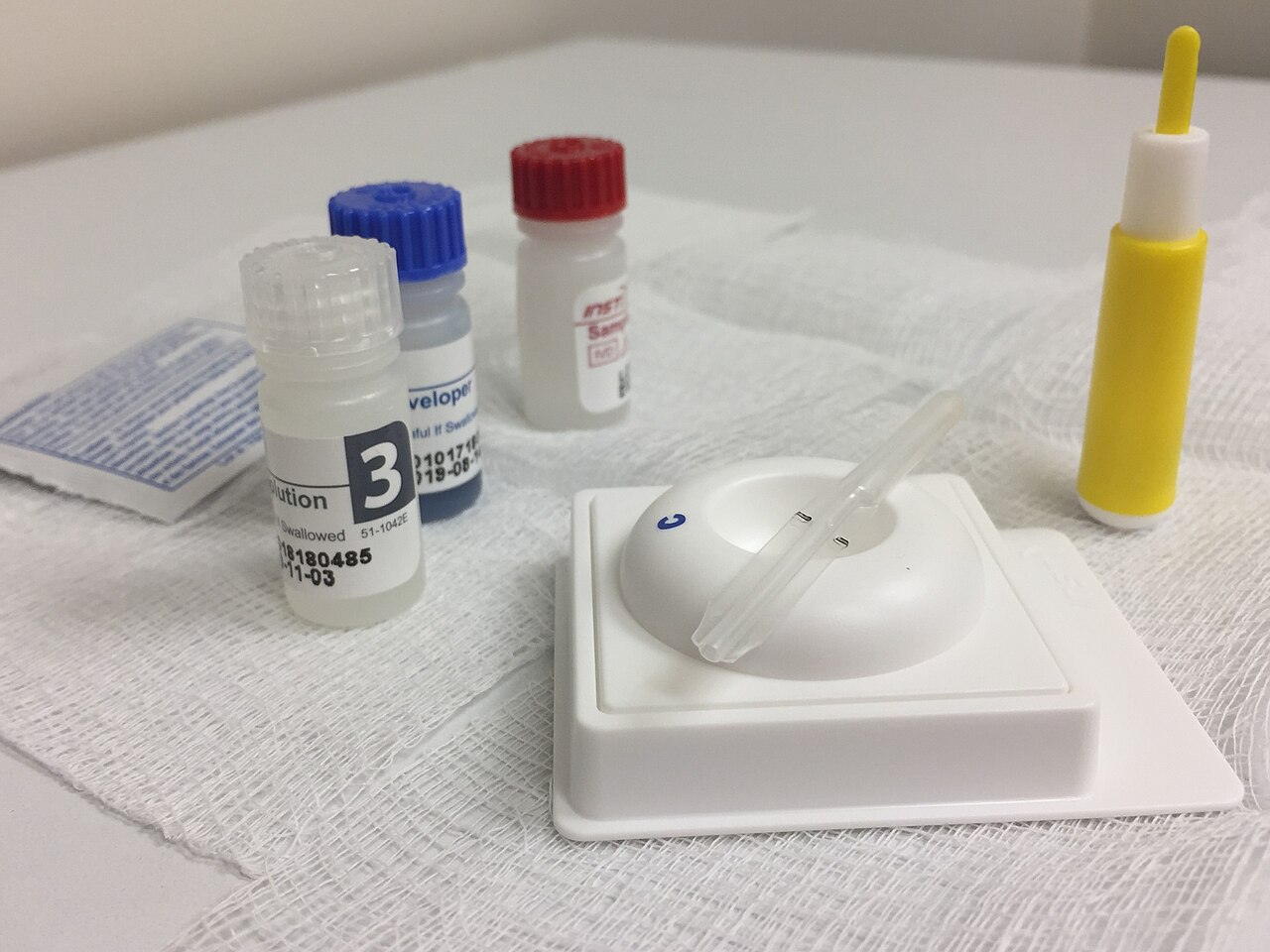
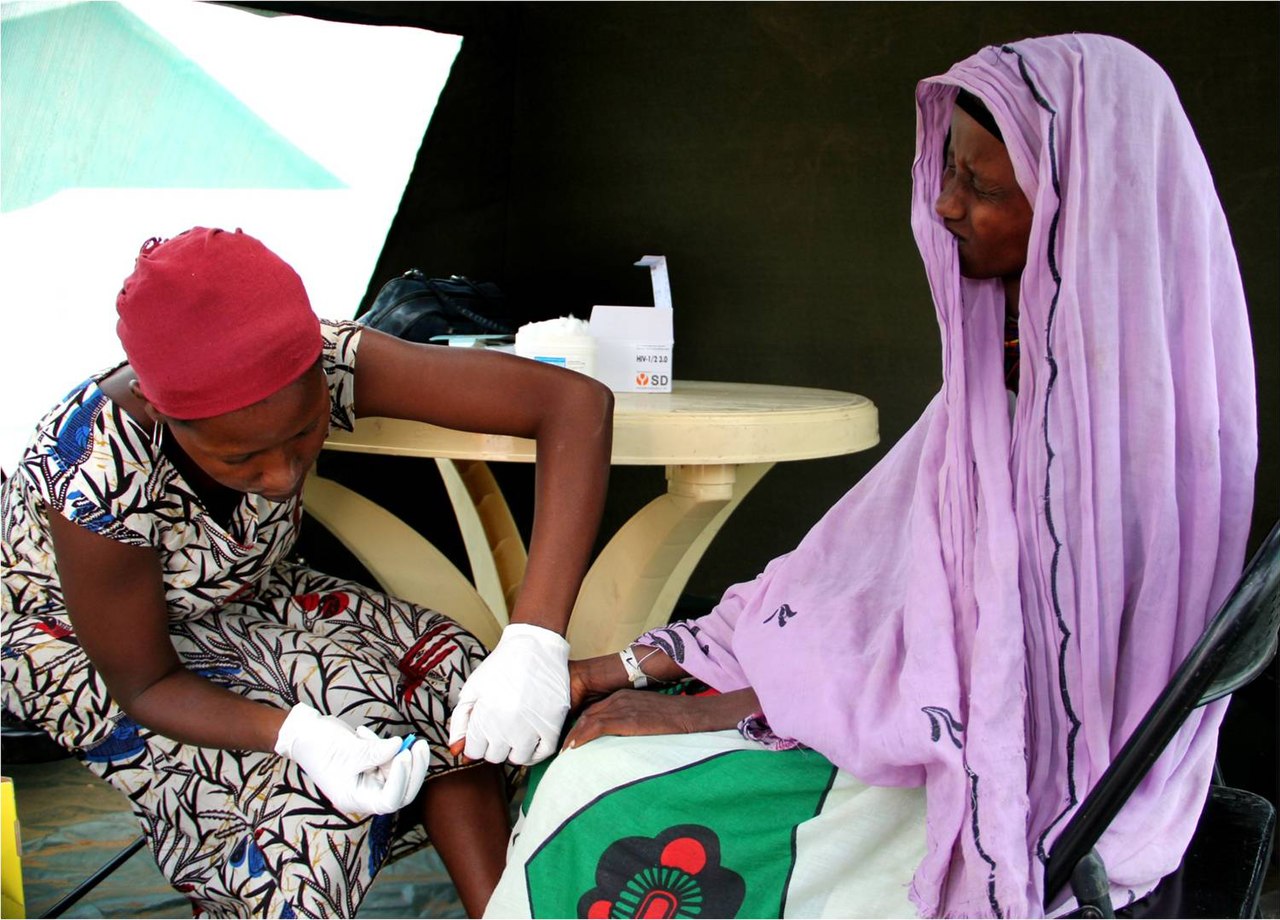
Before the sun clears the acacia line outside Mandera town, a health worker loads a cool-box of test kits into a Land Cruiser and begins the kind of journey that defines public health in Kenya's far north: hours of corrugated road to reach a settlement where a handful of people will agree to be tested, and where the nearest clinic may be a half-day's walk away. It is unglamorous, expensive work, and for years it was treated as a sideshow to Kenya's real HIV story, which played out along the shores of Lake Victoria. That assumption is now unravelling.
New national figures show that the geography of Kenya's epidemic is shifting. The counties that once carried the heaviest burden are bringing it down, while arid and semi-arid regions long considered low-risk are recording reversals. For the Kenyan diaspora — many of whom send money home for medicine, and a sizeable share of whom work in the very health systems abroad that drew talent away from places like Mandera — the change is more than a statistic. It is a map of where the next crisis, and the next appeal for help, is likely to come from.
A Map Being Redrawn
The national HIV prevalence in Kenya stands at around three per cent, with an estimated 1.3 million people living with the virus, according to the Kenya HIV Estimates 2024 cited in the new Kenya AIDS Integration Strategic Framework (KAISF) 2025–2030. But that national average hides a widening split that is changing how the country must fight the disease.
Siaya, Kisumu and their neighbouring lakeside counties — for decades the epicentre of Kenya's epidemic — have spent years driving infections down through sustained investment, targeted prevention and deep community engagement. Meanwhile, the National Syndemic Diseases Control Council (NSDCC), which released the framework, reports that new infections are emerging in regions that historically reported low transmission.
"While counties such as Siaya and Kisumu recorded significant reductions in new HIV infections, others, particularly in ASAL and marginalised regions such as Mandera, Wajir and Samburu, saw reversals," the council noted in the framework. "This requires county-specific strategies rather than uniform national approaches."
Why the North Is Different
The drivers in the north are not the same as those that fuelled the epidemic in the lakeside region. The framework points to population movement as a central factor. Pastoralist communities cross county and international boundaries in search of pasture and water, and major transport corridors link local populations to networks reaching into Ethiopia, Somalia and South Sudan.
Those movements create transmission patterns that fixed clinics struggle to track. A testing-and-treatment model built for cities and towns often fails people who may travel hundreds of kilometres between visits to a health facility. Layered on top is chronic underinvestment: thin health infrastructure, persistent staff shortages and low testing coverage that lets the virus spread largely unseen until it is well established.
Money compounds the problem. The framework notes that some counties spend more than half of their health budgets on salaries, leaving little for outreach, medicines, supplies and the community programmes that carry prevention to scattered populations. The result is a region where the virus moves faster than the systems designed to catch it.
When the Donors Step Back
The timing is difficult. Kenya's HIV response has long leaned on external partners, above all the United States President's Emergency Plan for AIDS Relief, known as PEPFAR, alongside the Global Fund. Health officials have warned that donor support shifted away from prevention in recent funding cycles, concentrating instead on keeping existing patients on treatment.
The consequences are concrete. Community organisations and the mentor-mother groups that once mobilised women to test and seek care have gone quiet in places where funding dried up. Nationally, Kenya still records roughly 54 new HIV infections and dozens of AIDS-related deaths every day — a reminder that the epidemic is contained, not over. As Washington and other capitals reassess foreign health spending, the prevention gap the framework describes is widening precisely where the new infections are appearing.
What the Diaspora Carries
This is where the story reaches Kenyans abroad. The diaspora's connection to the country's health system runs in two directions, and both are tightening.
The first is money. Remittances are now Kenya's largest single source of foreign exchange, and for countless families that monthly transfer is what pays for a clinic visit, a bus fare to a county hospital, or medicine when public supplies run short. As donor prevention funding recedes, the informal safety net of diaspora cash quietly absorbs more of the strain.
The second is people. Kenya trains nurses, clinical officers and doctors who are actively recruited by health systems in the United Kingdom, the Gulf, the United States, Canada and Australia. Their departure eases family finances back home and strengthens hospitals abroad, but it also deepens the very staffing shortages that leave a county like Wajir or Samburu unable to run consistent outreach. The same diaspora that wires money to cover a relative's treatment is, in part, the workforce that marginalised counties can no longer keep.
A Plan, and Its Limits
The framework's answer is to push decisions closer to where infections occur. It requires all 47 counties to draw up operational plans based on their own local HIV data, overseen by County Integration Steering Committees chaired by County Directors of Health. The intention is to replace scaled-down national templates with strategies tailored to pastoralist movement, cross-border transmission and the practical reality of reaching people who are rarely in one place.
Whether the plan works will depend on money and follow-through — county budgets already stretched thin, and donor commitments that are no longer guaranteed. For now, the clearest signal is the map itself. Kenya's HIV fight is no longer a single story told on the shores of one lake. It is moving north, into the country's hardest-to-reach corners, at the very moment the resources to meet it there are most uncertain. For the diaspora watching from abroad, it is a shift worth understanding — because the next call for help may come from a county few of them have ever had reason to think about.