The Crowd That Stayed Home: How a Visa Wall Turned Africa's World Cup Into the Diaspora's Burden
A record ten African nations are at the 2026 World Cup. But travel bans, $15,000 bonds and visa denials mean the fans who love them most may watch from afar — leaving the diaspora to fill the stands.
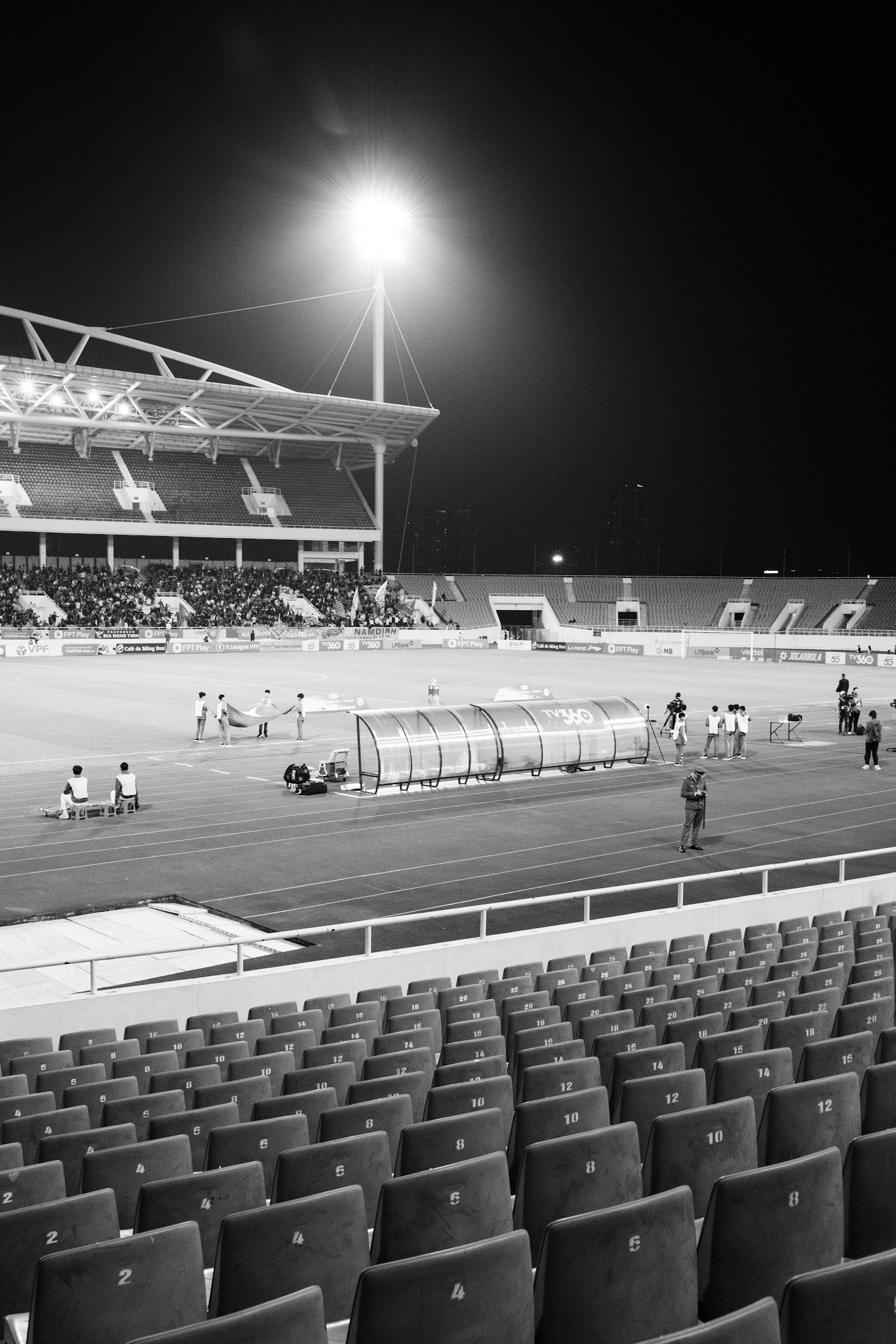
In a stadium in Mogadishu earlier this month, a knot of Somali supporters held up photographs of a man who would not be travelling. Omar Abdulkadir Artan, one of East Africa's most respected match officials, had been expected to officiate at the 2026 World Cup. Instead he was refused entry to the United States. His countrymen raised his picture the way a crowd might lift a banner for a striker — a small, stubborn protest against the idea that the largest football tournament on earth could unfold on a continent many of them would never be allowed to reach.
The image captured something larger than one referee's disappointment. As the World Cup kicked off across the United States, Canada and Mexico, a tournament built on the slogan that football unites the world arrived shadowed by a question that matters acutely to Africans living far from home: who, exactly, is allowed to come and watch?
A record African presence, an emptier welcome
This is the first World Cup contested by forty-eight teams, and the first co-hosted by three nations. The United States alone will stage seventy-eight of the 104 matches. For Africa it should have been a coronation: a record ten nations qualified, the most the continent has ever sent, from perennial contenders like Morocco, Senegal and Ghana to the tiny Atlantic archipelago of Cabo Verde, population roughly half a million, reaching its first finals.
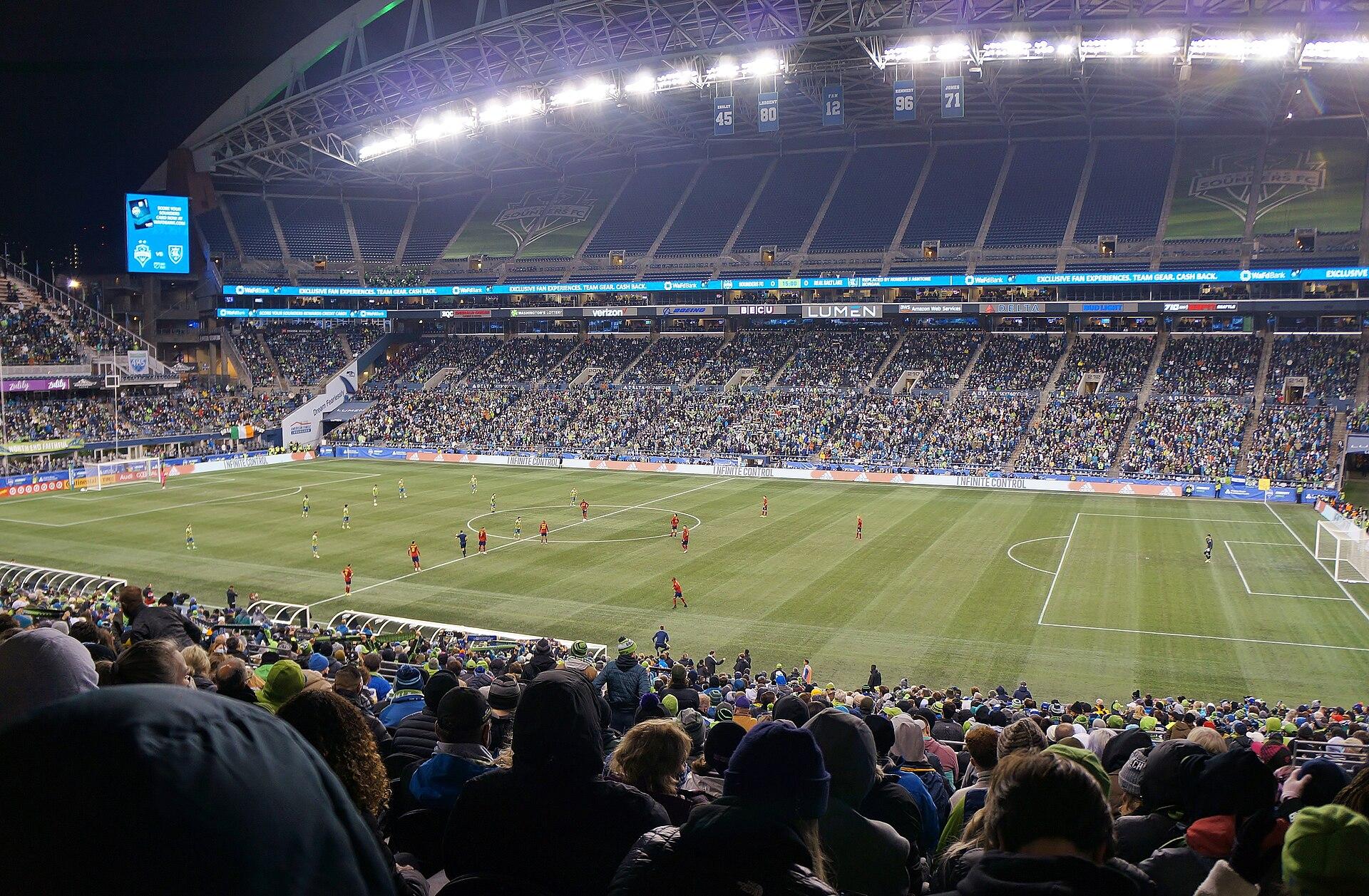
Yet the celebration has collided with the politics of the border. Football's governing body once estimated the tournament would draw more than five million fans across the three hosts; the US State Department has talked of ten million visitors to America alone. FIFA projected forty billion dollars in revenue and more than 800,000 jobs. As the first whistles blew, the Financial Times reported that 176,000 tickets across the group stage still sat unsold on the resale platform, and several opening matches in the United States and Canada had not sold out at all.
The walls at the border
For African supporters, the obstacles begin long before the turnstiles. At least four qualified nations — Haiti, Iran, Ivory Coast and Senegal — fall under a full US travel ban that bars their fans, though not their players. A longer list, including Egypt, Ghana and Morocco, sits on a visa-pause roster that, in the words of one immigration analyst quoted by the Council on Foreign Relations, means "anybody coming from those countries is going to face an extra level of scrutiny."
Then there is the matter of money. Nonimmigrant visa holders from several competing countries, among them Algeria, Cabo Verde, Ivory Coast and Senegal, have been told they may need to post a bond of up to 15,000 dollars simply to attend US matches — a sum that quietly disqualifies most ordinary supporters. The BBC reported in May that several Ghanaian fans hoping to watch their team in Boston and Philadelphia had their visa applications refused outright. A proposed Homeland Security rule would require applicants from dozens of countries to surrender years of social media history, a demand analysts warn will deter even travellers from friendly nations.
"We don't need America," a Senegalese supporter, Singom Dadji Ngam, told Deutsche Welle after the expanded restrictions were announced. "We're not going to stay there." His defiance captured a sentiment now common across the continent: a sense that the welcome mat was never really laid out.
The price of a seat
For those who clear the visa hurdles, a second wall waits at the ticket office. The 2026 finals carry the most expensive tickets in World Cup history, many running into the thousands of dollars, with one front-row seat reportedly changing hands for 32,000 dollars. Factor in flights, lodging that host cities have marked up sharply, parking and transport, and Business Insider estimated a committed fan could spend around 30,000 dollars to follow a team through the tournament. Even President Donald Trump, on being told the going rate, remarked that he "wouldn't pay it either."
For a nurse in Nairobi or a teacher in Accra, the maths is simply impossible. The tournament that was meant to bring the world to Africa's teams has, in practice, priced the world's poorer fans out of the room.
The diaspora becomes the home crowd
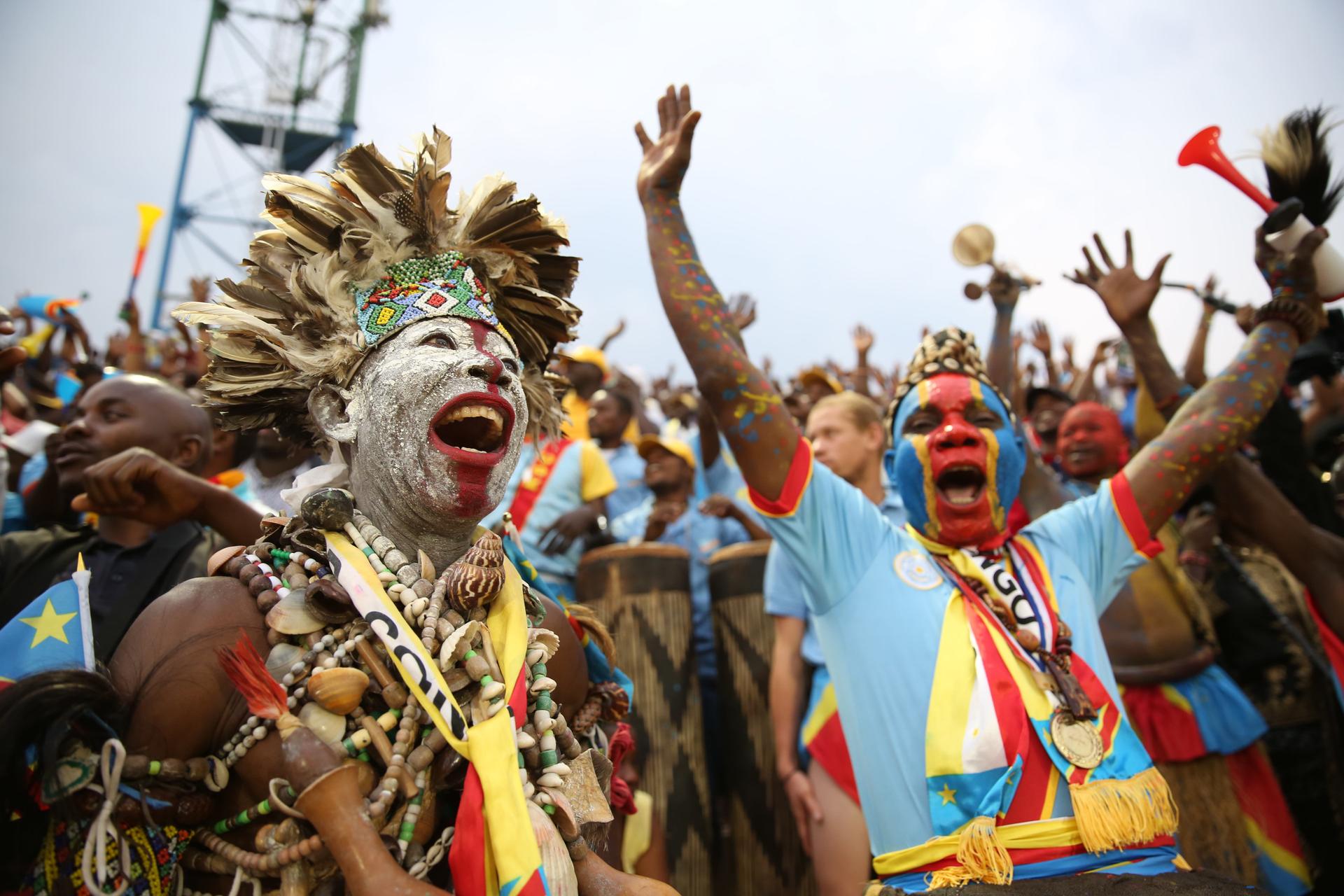
This is where the story turns toward the millions of Africans already living in North America — and where it speaks directly to Kenyans abroad. Kenya did not qualify, but the Harambee Stars' absence has not dimmed the pan-African instinct that fills living rooms in Dallas, Toronto and Atlanta whenever Senegal or Ghana take the field. With fans back home locked out, it is the diaspora that must now supply the noise, the flags and the belonging that a World Cup crowd is supposed to provide.
It is not a simple inheritance. Members of the diaspora from banned countries, Al Jazeera reported, feel a duty to represent communities legally barred from attending — even as they weigh fears of immigration enforcement at the venues. Workers at one Los Angeles stadium marched in protest over the rumoured deployment of immigration agents to host cities. For a Kenyan green-card holder deciding whether to take the family to a group-stage match, the calculation is no longer only about ticket prices. It is about whether a stadium feels like a place where people who look like them are safe.
What it means for the hosts, and for home
The cost of an empty welcome is already visible in the ledgers. An April report by the American Hotel and Lodging Association found that eighty percent of hotels in the eleven US host cities were booking below forecast, with the association bluntly describing the cup as a "non-event." Hotels in Canadian and Mexican host cities, by contrast, are outpacing their American counterparts as fans reroute around the United States entirely.
There is a sporting cost too. "It's one thing to have a hundred people in one corner of the stadium rooting for you," the CFR Africa scholar Ebenezer Obadare observed. "It's another thing to have five thousand. That's a significant disparity. It's going to play a role." A team's twelfth man cannot fly in on a bond it cannot afford.
And yet the diaspora will show up, because it always does. The same scattered communities that wire billions home each year, that crowd church halls for funerals and weddings, will gather around screens and, where they can, in stands — carrying flags for nations that could not carry their own supporters across the border. For a generation of Africans abroad, this World Cup will be remembered less for the football than for a quieter lesson about who gets to belong, and who is left to cheer from the outside looking in.