A Reckoning in Shillings: How Kenya's Reparations for Protest Victims Will Be Judged From the Diaspora
President Ruto has launched a Sh2 billion framework to compensate more than 1,000 verified victims of protest violence — even as survivors prepare to march over delays.
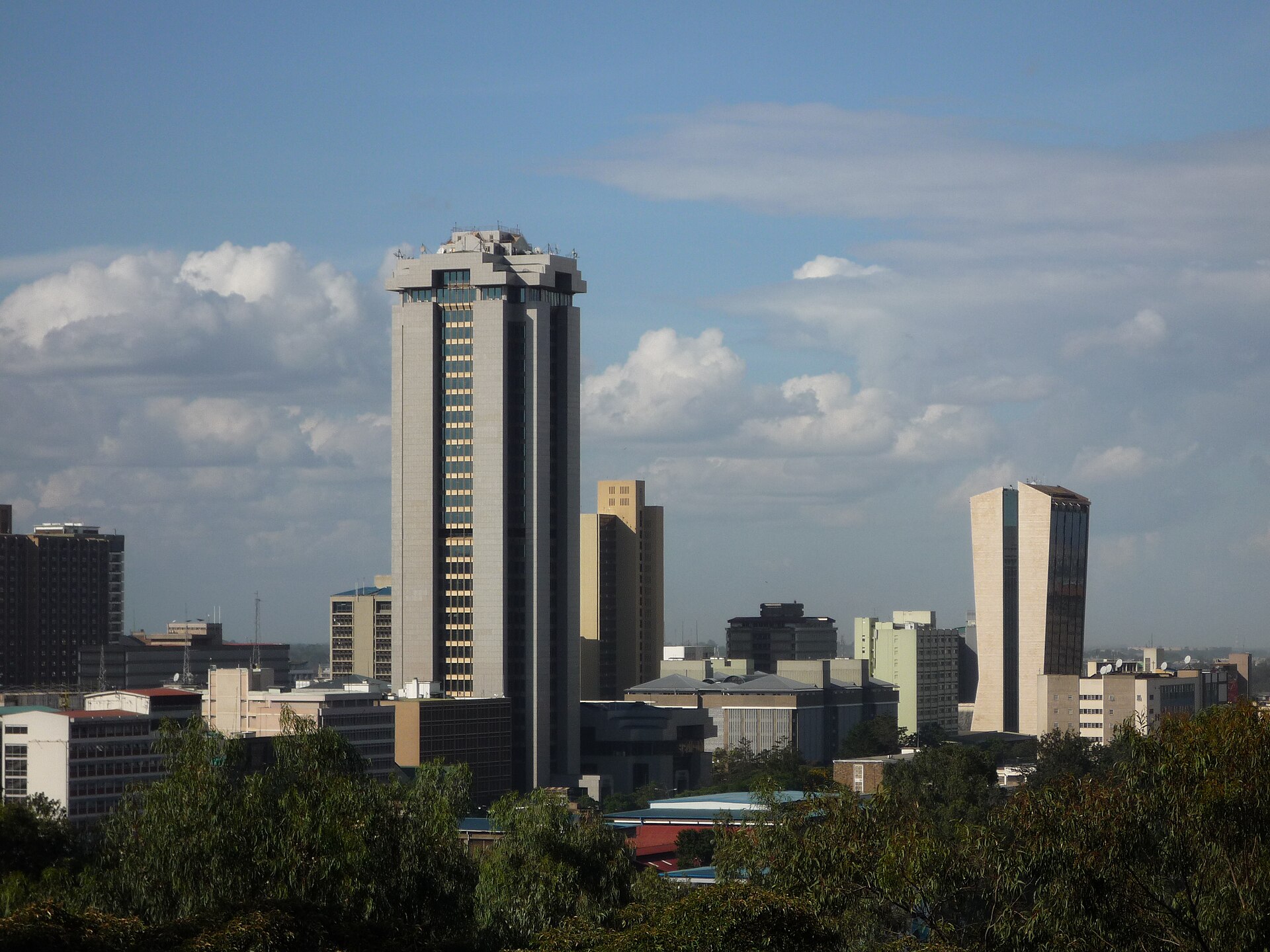
The room at State House in Nairobi was full of the kind of people who rarely share a stage: government ministers, judges, human rights campaigners and politicians from rival camps. They had gathered to launch a national reparations framework, a structured promise that Kenya would finally put money behind years of demands for justice. Within days, the government said, it would begin compensating more than 1,000 verified victims of protest-related abuses — people who had been shot, beaten, detained, or who had lost a family member during demonstrations that the whole world, including Kenyans abroad, had watched unfold on their phones.
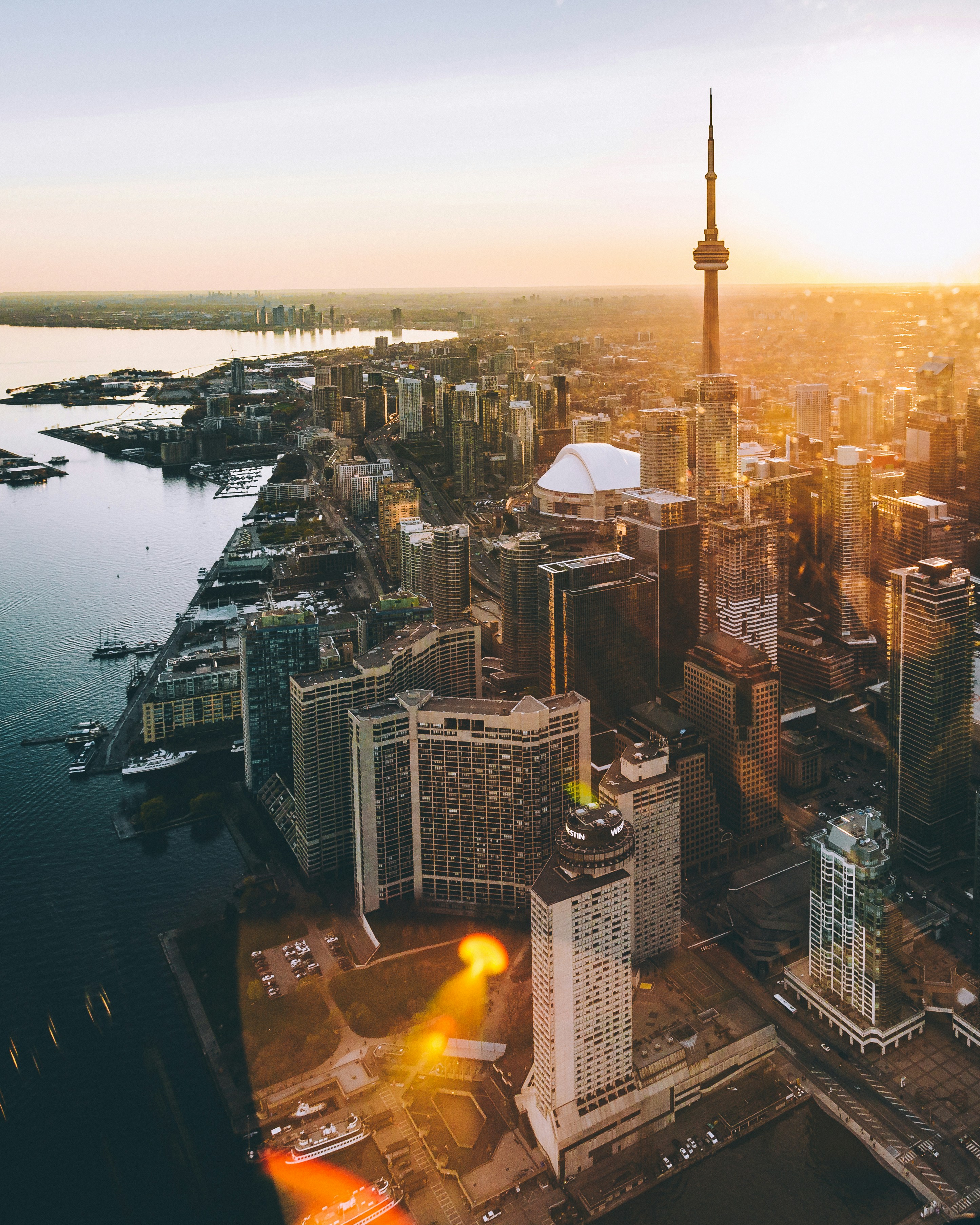
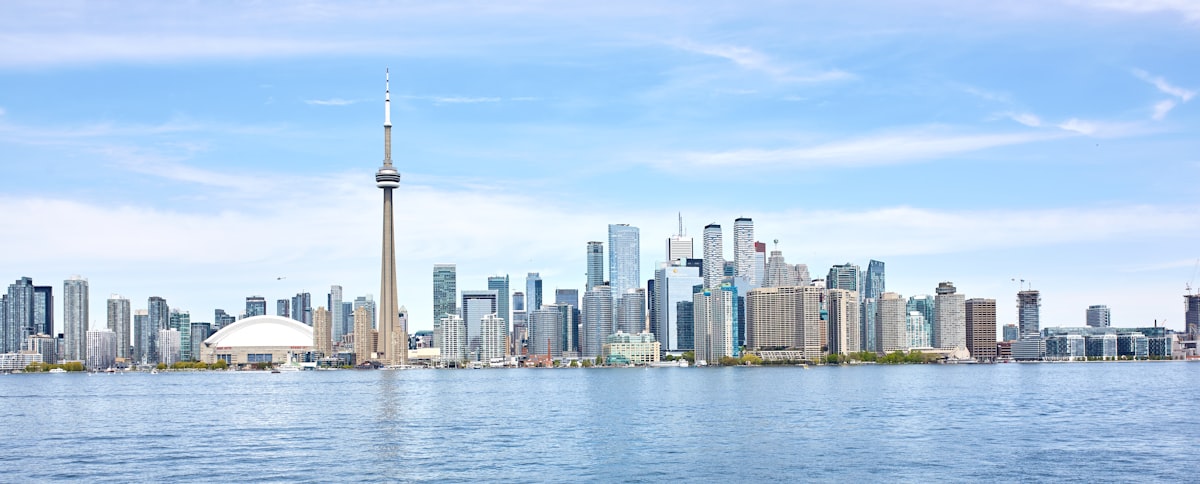
For the Kenyan diaspora, that announcement landed somewhere between relief and wariness. Many in Atlanta, London, Toronto and Doha had spent the past two years refreshing live streams from Nairobi, sending money home for hospital bills and burials, and arguing in WhatsApp groups about whether accountability would ever come. The reparations framework is, on paper, the answer they asked for. Whether it becomes real money in real hands, or another well-staged ceremony, is the question now traveling across oceans.
The Announcement at State House
The framework was developed by the Kenya National Commission on Human Rights, which has built procedures for identifying victims, assessing claims and distributing payments through a defined process. Officials said the verification exercise is almost complete, clearing the way for the first payments to start shortly. President William Ruto framed the moment as a rare national reckoning carried out outside the courts — an attempt to repair harm through an administrative process rather than thousands of individual lawsuits.
Professor Makau Mutua, who chairs the reparations panel and advises the president on constitutional affairs, said the commission had used technology, including an AI-assisted case management system, to review and verify the flood of claims submitted from across the country. The program is designed to cover several distinct periods of unrest, stretching back through the disputed election cycles of 2017 and 2022, the demonstrations against the Finance Bills of 2023 and 2024, and the protests tied to the 2025 Saba Saba commemorations.
A Number That Keeps Changing
The figures presented at the launch tell the story of a process still in motion. More than 1,100 people have already been verified as eligible beneficiaries, spread across categories that include deaths, physical injuries, arbitrary arrests, sexual violence and property damage. Officials indicated the total number could approach 2,000 once economic-loss and business-disruption claims are assessed.
The money behind the promise is concrete but finite. The program is backed by Sh2 billion set aside in the 2025/26 supplementary budget, and international wire reports placed the expected total payout at roughly 15 million US dollars. Under the commission's framework, the most serious cases — deaths during demonstrations — could attract compensation of up to Sh2.5 million. For a diaspora that thinks in dollars and pounds, those numbers invite an uncomfortable calculation: what a life is judged to be worth, and whether the budget can stretch to every name on the list.
The commission has been careful to set limits. KNCHR Chairperson Claris Ogangah said the framework is meant for victims of serious human rights violations and does not automatically cover every incident reported during periods of unrest. Cases that amount to ordinary criminal offences remain within the criminal justice system. Notably, the framework also recognises that some members of the security services were harmed during demonstrations, meaning officers from the police, prisons and youth service may qualify where evidence shows they suffered during protest-related incidents.
Why the Diaspora Is Watching
It would be easy to file this as a domestic story, of interest only to those still inside Kenya's borders. That misreads how connected the diaspora has become to the country's civic life. Kenyans abroad send billions of dollars home every year, money that props up households and, increasingly, funds the causes those households care about. During the protest waves of 2024 and 2025, that financial pipeline ran alongside an information one: diaspora accounts amplified footage, translated events for foreign audiences, and pressed embassies and host-country politicians to pay attention.
There is also a more personal stake. The victims being counted at State House are someone's cousin, someone's former classmate, someone's child who stayed behind. For families split across continents, a reparations payment is not an abstraction; it is an acknowledgement that the death or injury of a relative was wrong and is owed a response. And because many in the diaspora intend to vote, invest or eventually return, the credibility of this process feeds directly into how they judge the state they remain tied to.
The Protest Within the Reparation
The timing of the launch carries its own tension. Even as the government celebrated the framework, survivors and victims' families announced plans to take to the streets. Advocacy groups said victims of state violence would hold daily peaceful picketing from June 16 to June 25, citing what they called the government's continued and unjustifiable delay in compensating them despite repeated commitments that the process would be finalised by June 2026.
That is the paradox the diaspora will be parsing from afar: a reparations program for protest victims, met on its opening day by a protest about reparations. It captures a deeper trust deficit. Announcements at State House are not the same as deposits in bank accounts, and Kenyans who have watched previous commissions and promises fade are reluctant to celebrate before the money moves. The next two weeks, with cameras on both the disbursements and the demonstrations, will test whether the framework is a turning point or another deferral.
The Long Shadow of Article 37
The launch also reopened a debate about how Kenya polices dissent in the first place. ODM leader Oburu Oginga used the occasion to call for reforms clarifying the relationship between demonstrators and the police, arguing that citizens should only have to notify authorities of planned protests rather than seek what often becomes de facto permission. He pointed to Article 37 of the Constitution, which guarantees the right to assemble, demonstrate, picket and petition, while requiring participants to remain peaceful and unarmed.
That conversation has fresh legal weight. A recent High Court ruling in Kisumu, concerning police conduct during the 2023 Azimio demonstrations, directed the Inspector General of Police, the Attorney General and other institutions to develop comprehensive regulations on public-order management and the use of force, and awarded compensation to victims of unlawful police actions. For the diaspora, the lesson is that reparations and reform are two halves of the same question: paying for past harm means little if the rules that produced it remain unchanged.
The Test of Credibility
What happens next will be measured less in speeches than in receipts. If verified families begin receiving payments within days, as promised, the framework could become a genuine model for addressing state violence without dragging every case through the courts. If the picketing scheduled for mid-June stretches on while payments stall, the diaspora's skepticism will harden into something more corrosive.
For now, Kenyans abroad are doing what they have done throughout this saga: watching, sending money, and waiting to see whether the state keeps its word. The reckoning has been announced. The shillings have been budgeted. The only thing left to prove is that the names on the commission's list will be honoured not just with a ceremony, but with the quiet, verifiable act of compensation finally paid.