Register or Risk Everything: What America's New Alien Registration Rule Means for Kenyans Living in the Shadows
A federal rule taking effect June 29 forces millions of never-registered immigrants to surrender their biometrics — and leaves undocumented Kenyans weighing compliance against exposure.
The form runs to several screens, and it asks for almost everything. Where you were born. The day you arrived in the United States. The towns your mother and father came from. The work you have done since you landed, and the date you expect to leave. For a Kenyan caregiver who let a visitor visa lapse years ago, or a young man who came to the country as a teenager and never filed papers in his own name, the questionnaire known as Form G-325R is not a routine errand. It is a decision about whether to step into the light and tell Washington precisely where to find them.
That decision grows sharper on Monday. On June 29, a Department of Homeland Security final rule on alien registration takes effect, formalising a nationwide system that requires certain foreign nationals to provide personal details, biometric data and proof that they have registered. The rule was published in the Federal Register and builds on an interim framework introduced in March 2025, which first created the new registration form and the fingerprinting process behind it. For the Kenyan community in America — students, nurses, drivers, parents — it lands as one more reason to read the fine print of a life abroad.
A Law That Slept for Decades
The requirement at the centre of the rule is not new. Under Section 262 of the Immigration and Nationality Act, most foreign nationals aged 14 and older who remain in the United States for more than 30 days are obliged to register and be fingerprinted. Parents or guardians must register children under 14, who then have to register again, with fingerprints, once they turn 14. Adults are expected to carry proof of registration at all times.
What has changed is enforcement. The statute has existed for generations but was rarely applied. That shifted in January 2025, when an executive order instructed DHS to prioritise compliance. The department now says it will pursue penalties against those who fail to register, including fines and the possibility of short-term imprisonment — measures that have long sat on the books but were seldom used. Legal experts note the penalty for failing to register is treated as a misdemeanour, carrying potential fines and jail time.
Who Must Register — and Who Already Has
The renewed push is aimed primarily at people who have never been formally registered through the immigration system. According to DHS, that includes individuals who entered the country without inspection, those who arrived as children and never registered independently, and applicants whose earlier immigration filings did not involve biometric processing. The department estimates that between 2.2 million and 3.2 million people fall into these categories nationwide.
Many others are unaffected. Foreign nationals who entered legally — visa holders, lawful permanent residents and anyone with an official entry record — are generally considered already registered and need take no further action. A Kenyan green card holder in Texas or a nurse on a work visa in Georgia is, in most cases, already inside the system. The anxiety concentrates instead on those whose status is irregular: the overstayed visitor, the former student who fell out of compliance, the person who has built a decade of life without ever appearing in a federal file.
The Calculation Facing Kenyans Without Papers
Here the rule poses its cruellest arithmetic. To register is to hand the government a current address, a biometric record and a detailed family history. Yet DHS has been explicit that registration does not confer lawful status, nor does it shield anyone from removal. A person can comply fully and still face deportation. To not register, on the other hand, is itself an offence that now carries the threat of prosecution.
For undocumented Kenyans, that is a genuine dilemma rather than a rhetorical one. Registering may bring a measure of legal cover against the separate charge of failing to register, but it also creates a precise map to a person's door. Declining to register avoids that exposure but invites a different penalty. Community organisers across the diaspora describe a wave of quiet, urgent conversations: in WhatsApp groups, after church services, in the break rooms of hospitals and care homes where so many Kenyans work the night shift.
A Tightening Web of Rulings
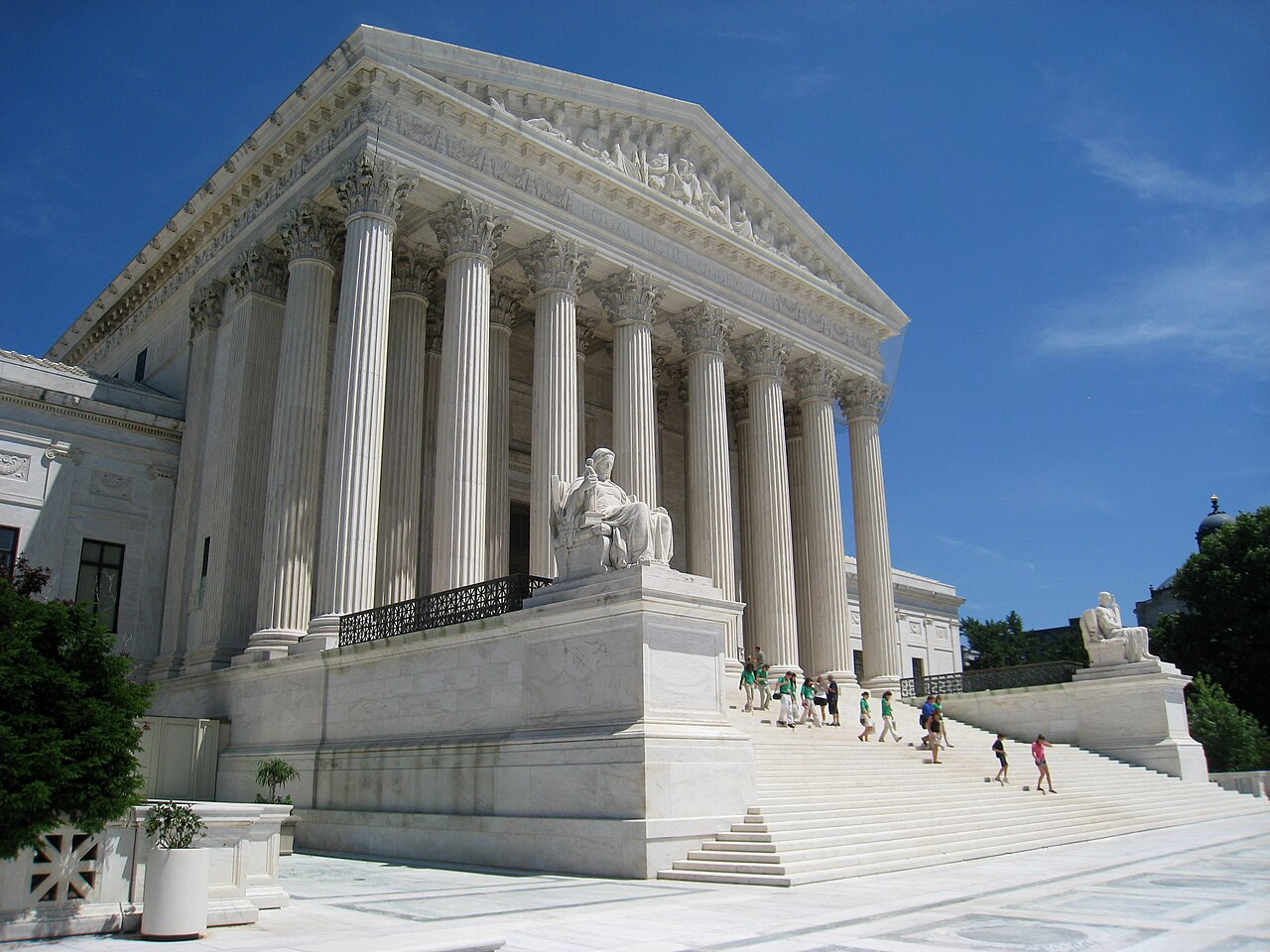
The registration rule does not arrive in isolation. The administration's broader immigration agenda has been reinforced by recent decisions from the Supreme Court. On 25 June 2026, the Court upheld the government's authority to end Temporary Protected Status for Haitians and Syrians, a ruling that could affect more than a million people. In a separate decision, it found that asylum seekers may be turned away at ports of entry before formally lodging their claims. Together, the rulings hand the executive branch wider authority over enforcement while narrowing the room for courts to intervene.
That backdrop matters for how the registration rule will be felt. Even though it is, on paper, a procedural measure, it sits within a moment when the legal protections many immigrants once leaned on are visibly thinning. Legal challenges to the registration system, first filed in 2025, remain before the courts and could yet shape how and when the policy is carried out.
What the Diaspora Is Being Told
For now, advocates are urging people to slow down and seek qualified advice before acting. The decision to register, or not, carries consequences that differ sharply from one person's situation to the next, and immigration attorneys caution against treating a neighbour's choice as a template. Knowing whether one is already considered registered — as most visa holders and permanent residents are — is often the first and most clarifying question.
What is clear is that the era of the dormant statute has ended. A requirement that lived quietly in the law for decades is now an active instrument of policy, with a date attached and penalties behind it. For the Kenyan diaspora in America, the rule is a reminder that the terms of belonging can shift without warning, and that the documents in a drawer — or their absence — increasingly define what comes next. The safest course, community leaders say, is not panic but information: understand the rule, understand your own status, and make no irreversible decision alone.