A Roof Wide Enough for Home: How a Kenyan Church's New Olympia Campus Anchors a Diaspora Putting Down Roots
On a ten-acre stretch of the Pacific Northwest, Umoja Presbyterian Church has opened a second home — and a window into how Kenyan faith communities are building institutions, not just congregations, in America.

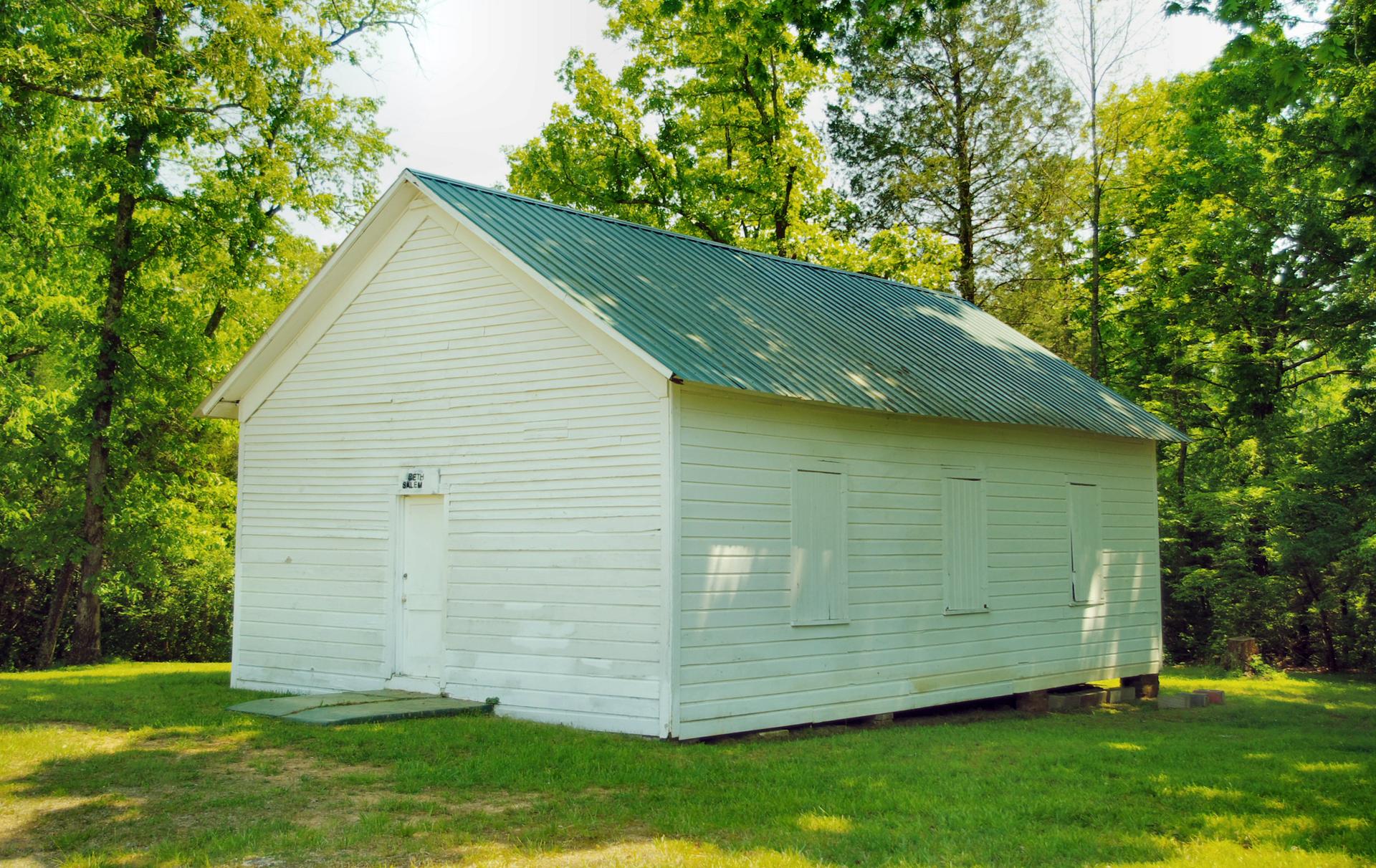
On Sunday, a ten-acre property on the edge of Olympia, Washington, filled with a sound the Pacific Northwest does not often hear inside its sanctuaries. A choir lifted hymns that braided English with Swahili, and a congregation that had driven in from Tacoma, from Seattle, from small towns scattered across the state, answered back. They had come for the dedication of a new home for Umoja Presbyterian Church. They had also come, in a quieter sense, for the reassurance that runs underneath so much of immigrant life: that the community they belong to is no longer simply passing through.
The opening of the Olympia campus on 14 June, reported by the Kenyan diaspora outlet Mwakilishi, is a modest headline on paper — one congregation, one new site. But for the East African families who fill its pews, a building is rarely just a building. It is a promise that the institutions they have carried across an ocean are taking root in American soil, with deeds and acreage and a place on the map of the state capital.
From a Tacoma Base to the State Capital
According to Mwakilishi's account, Umoja Presbyterian Church grew from a base in Tacoma before expanding south to Olympia, extending its reach across the wider Seattle metropolitan area. The new campus occupies ten acres — generous ground for a congregation that began, like most diaspora churches, in rented halls and borrowed rooms.
The choice of the state capital is not incidental. Olympia sits at the political center of Washington, a place where a growing African community gains not only a sanctuary but a kind of visibility. Church leaders described the expansion, the outlet reported, as part of a long-term strategy to meet rising demand for culturally rooted places of worship among immigrant families — congregations where the music, the languages and the rhythms of fellowship feel like home rather than translation.
That demand is real and well documented. The Kenyan diaspora across Washington has spawned a constellation of fellowships, among them branches of the Full Gospel Churches of Kenya Diaspora in the Seattle and Tacoma areas. Across the United States, the Kenya Embassy in Washington, D.C., actively engages with diaspora organizations, and directories of Kenyan diaspora churches now span dozens of cities. Umoja's new campus is one bloom on a much larger vine.
More Than a Sunday Service
The dedication drew clergy and guests from across the region, along with representatives of the Presbyterian Church of Kenya. Rev. John Mbae, the denomination's Deputy Secretary General, traveled from Kenya to deliver the keynote sermon, while Moderator Rev. Joseph Kisanga led the dedication prayers, Mwakilishi reported. The sermon's themes — spiritual maturity, service, and the responsibilities of faith communities — speak to a congregation that sees its purpose as broader than worship alone.
That breadth is the point. The Olympia site is expected to host Sunday services, but also youth programs, family ministries and outreach activities. For many immigrant churches, those secondary offerings are not secondary at all. They are the scaffolding of a new life: the place where a recently arrived family learns how the school system works, where a job lead is passed along after the service, where grief over a death back home is held by people who understand exactly what that distance costs.
A church with ten acres can host a funeral fundraiser, a graduation party, a harambee for a member facing a medical bill. It can gather hundreds at once. In a diaspora where formal support networks are thin and government services can feel like a maze, that gathering capacity is its own form of infrastructure.
The Quiet Institution-Building of a Diaspora
There is a familiar arc to immigrant religious life in America, and Kenyan congregations are now living through its most consequential chapter: the move from improvisation to permanence. The first generation worships wherever it can. The second buys property. Umoja's expansion reflects that wider trend of African-founded churches establishing durable institutional foundations in the United States, anchoring themselves with assets that outlast any single pastor or lease.
The significance is easy to underestimate from the outside. Owning land changes a congregation's relationship to time. A rented hall is a monthly negotiation; a deeded campus is a bet on the next fifty years. It signals to younger members that their heritage is not a temporary arrangement to be folded away once they have assimilated, but something with a foundation poured in concrete.
These congregations have long served as more than places of prayer. They function as centers for social support, mentorship and cultural preservation — bridges that let immigrant families stay connected to the traditions of home while finding their footing in American society. The Olympia campus simply gives that work a larger and more secure address.
What a Ten-Acre Promise Means
For the families who attended the launch, Mwakilishi reported, the new campus was described as a symbol of unity and perseverance, and as evidence of the organizational strength of diaspora communities. Those are the words of people who remember the leaner years — the basement services, the long drives, the sense that the community existed only when it was assembled and dissolved the moment everyone went home.
A permanent campus rewrites that experience. It means a child can point to a place and call it her church without qualification. It means the diaspora's presence in Washington is recorded not only in remittance statistics and census tables but in property records and zoning files — the unglamorous paperwork of belonging. It is the difference between visiting and living somewhere.
The Generation That Will Inherit It
The deeper stakes lie with the young. Church leaders said they expect the Olympia site to help future generations maintain a connection to their faith and cultural heritage — the children and grandchildren of migrants who will grow up American, fluent in the idioms of the Pacific Northwest, and who may know Kenya mainly through a parent's stories and a grandparent's voice on a video call.
For those children, a church like Umoja becomes a rare room where the two halves of their identity sit comfortably together. They can absorb the cadence of a Swahili hymn and the texture of a Sunday lunch, then step back into their American week without feeling they have left anything behind. Whether that inheritance holds is the open question facing every diaspora institution. But on a ten-acre property outside Olympia, a congregation has decided to give it the best possible chance — by building something solid enough to be handed down.