The Long Way Home: Why Some Kenyans Are Trading Good Jobs Abroad for an Uncertain Return
For every Kenyan who settles permanently overseas, another is quietly booking a one-way ticket back, and learning that coming home is its own kind of migration.
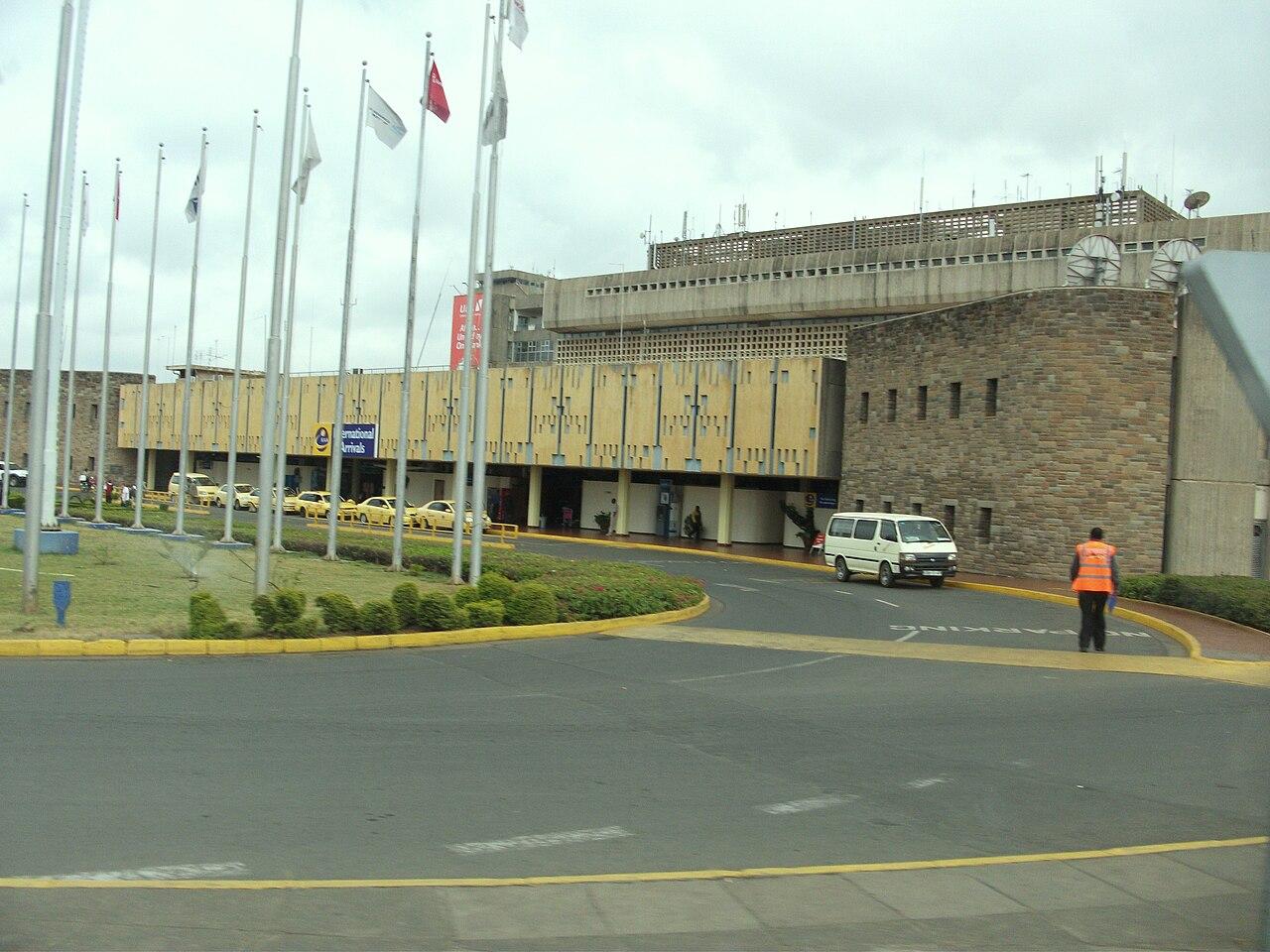
The arrivals hall at Nairobi's main airport is a place of obvious joy: the homemade signs, the grandmothers who refuse to sit, the children hoisted onto shoulders. But among the returning travellers each week is a quieter group whose luggage tells a different story. They are not visiting. They have come home for good, often leaving behind salaries and stability that most of those waiting for them can only imagine. For these returnees, the cheering is real, and so is the question that follows them out of the terminal: did I make the right call?
The decision to return after years abroad has become one of the most debated subjects in Kenyan diaspora circles, picked over in WhatsApp groups, Sunday sermons and the comment sections of every diaspora news site. Outlets from Daily Nation to The Star have chronicled the trend, and the picture that emerges is more complicated than the triumphant homecoming of legend.
The pull that brings them back
The reasons Kenyans give for returning are rarely about money, because money is usually the argument for staying. They speak instead of ageing parents who need a physical presence rather than a monthly transfer. They speak of children they want raised in Kenyan schools, churches and extended families rather than in the isolation of a foreign suburb. They speak, too, of a weariness that accumulates over years of shift work, cold winters and the low hum of never quite belonging.
For some, a specific event tips the balance: a bereavement back home, a contract that ends, a health scare, a sense that a decade meant to last a year has quietly become a life. Daily Nation has documented cases of professionals who walked away from comfortable careers in the Gulf and the West, convinced that the intangible wealth of being home outweighed the figures on a payslip. Their stories are told as acts of courage, and often they are.
When home feels strange
What the celebratory version leaves out is how difficult the landing can be. The Star has reported on what it called the hidden toll of abrupt return, describing returnees who arrive expecting relief and instead meet social dislocation. The country they left has moved on without them. Prices have changed, friendships have cooled, and the status that years abroad conferred can curdle into pressure, with relatives assuming that a returnee from Dubai or Boston must be carrying endless resources.
There is a psychological weight to this that is rarely discussed openly. Reintegration can intensify stigma rather than relieve it, especially for those who return without the savings their families assumed they had amassed. The migrant who struggled abroad and came home with little can face a quiet judgment that compounds an already painful transition. Coming home, in other words, can be its own form of migration, with its own culture shock and its own grief.
The counter-current: those who never return
For every returnee, there are others moving in the opposite direction, and their choices illuminate why returning is so fraught. Mwakilishi has reported on a growing pattern of secondary migration, in which Kenyans who go abroad increasingly move from one foreign country to another rather than circling back home. A nurse who trained in the Gulf moves on to Britain; a graduate in Germany eyes Canada. The traditional arc, in which migration ends with resettlement in Kenya, is no longer the default.
The calculations driving this shift are pragmatic. Migrants weigh labour protections, the realistic prospect of permanent residency, and access to good schooling for their children, and they conclude that these are easier to secure abroad than at home. When the diaspora press warns, as Diaspora Messenger has, that returning home can become a trap for those who arrive without a financial cushion or dual residency to fall back on, it is describing the same anxiety from the other side.
What returnees wish they had known
The Kenyans who navigate return most successfully tend to share a few traits. They come back to something specific, a business, a job, a plan, rather than to a vague longing. They keep a foothold abroad where they can, through residency or portable income, so that return is a choice they can revisit rather than a door that locks behind them. And they brace for the emotional adjustment as seriously as the financial one, understanding that the hardest part of coming home is often not the logistics but the recalibration of who they are now.
These lessons rarely make the celebratory headlines, but they are the difference between a return that restores and one that wounds. The diaspora community, increasingly, is trying to pass them along, turning hard-won individual experience into something closer to collective wisdom.
A choice the whole community is watching
The debate over whether to return matters far beyond the individuals making it. Returnees bring skills, capital and global networks that Kenya badly needs, and a country that makes return rewarding rather than punishing stands to gain enormously. A diaspora that feels it can come home safely is also a diaspora that invests more confidently while still abroad.
For now, the arrivals hall will keep receiving both kinds of travellers: those landing for a visit, and those landing for the rest of their lives. The signs and the embraces look the same. The difference is carried quietly, in the luggage and in the question each returnee will spend the coming months answering, not for the relatives waiting at the barrier, but for themselves.