Ten Acres of Belonging: How a Kenyan Diaspora Church Planted Itself in Washington's Capital
Umoja Presbyterian Church's new Olympia campus is more than a sanctuary — it is the diaspora building permanence into American soil.
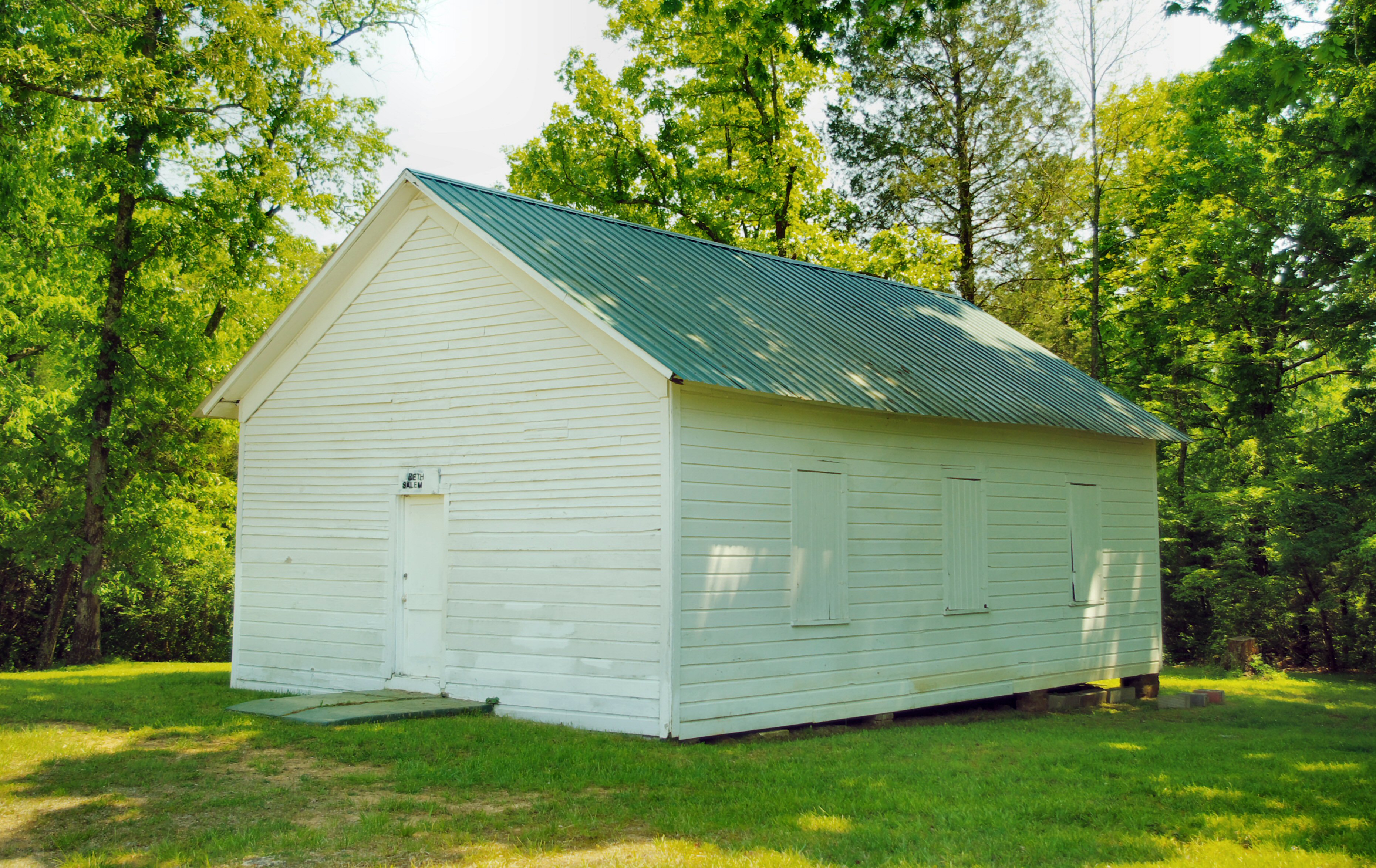
On a grey Pacific Northwest Sunday, in a city better known for its legislature than its congregations, a community that began far from Washington State gathered to dedicate something it could finally call its own. On 14 June 2026, Umoja Presbyterian Church opened a new campus in Olympia, Washington's capital, on a property of ten acres — a number that says less about square footage than about ambition. For a diaspora that has spent years renting halls and borrowing sanctuaries, ten acres is a statement: we are not passing through.
The inauguration drew congregants, clergy and guests from across the region, along with representatives of the Presbyterian Church of Kenya who had travelled to mark the moment. What they came to witness was not only the opening of a building but the maturing of an immigrant institution — one that has grown from a single base into a network with room to spread.
A campus on ten acres
The new Olympia site extends Umoja Presbyterian Church's reach beyond its original base in Tacoma, the port city where the congregation first took shape. By establishing a presence in the state capital, church leaders say they intend to serve a growing East African community while strengthening the congregation's role as a centre for worship, fellowship and cultural engagement across the wider Seattle metropolitan area.
Ten acres is a meaningful footprint for any congregation, and especially for one rooted in immigrant families who often worship in spaces designed for someone else. Larger grounds mean the church can host bigger gatherings, run programmes on its own schedule, and welcome members from across Washington State and neighbouring areas without the logistical compromises that come with shared or rented venues. The land itself becomes part of the ministry.
From Tacoma to the capital
The decision to expand southward into Olympia reflects a pattern familiar to diaspora institutions everywhere: growth follows people. Church leaders described the new campus as part of a long-term strategy to meet rising demand for culturally rooted places of worship among immigrant families settling across the Puget Sound corridor.
That corridor — running from Seattle down through Tacoma and on to Olympia — has become home to one of the larger concentrations of Kenyan and East African families in the American West. As those families have put down roots, started businesses and raised children, the institutions that serve them have had to grow in step. A congregation that once fit comfortably in a single Tacoma hall now needs a second home with space to breathe.
A sermon carried across continents
The dedication carried the weight of a transatlantic relationship. Rev. John Mbae, Deputy Secretary General of the denomination, travelled from Kenya to deliver the keynote sermon, his message centred on spiritual maturity, service and the responsibilities of faith communities. His presence underscored that the Olympia campus is not a breakaway venture but an extension of a church family whose roots reach back to Kenya itself.
Moderator Rev. Joseph Kisanga led the dedication prayers and gave thanks for the congregation's growth, emphasising the value of creating spaces that support worship and community life. The symbolism was hard to miss: leaders who had crossed continents to stand on newly acquired American ground, blessing a place built by people who had made the same journey in reverse, years earlier, in search of work and a future.
More than a sanctuary
For many immigrant families, a church like Umoja is never only a place of worship. It is also a centre for social support, mentorship and cultural preservation — a place where a newcomer can find a job lead, a grieving family can find a meal train, and a child born in America can hear the languages and songs of a homeland they may have never seen. Attendees at the launch described the Olympia campus as a symbol of unity and perseverance, and as evidence of the organisational strength a diaspora community can build when it pools its resources over time.
That dual role — spiritual and social — is part of why these institutions matter beyond their congregations. They knit scattered families into something that feels like a neighbourhood. They offer continuity to people whose lives have been defined by movement. And they give the second generation, the children growing up between two cultures, a fixed point to return to.
Part of a wider movement
Umoja Presbyterian Church's expansion fits a broader trend across the United States, where African-founded churches are establishing stronger institutional foundations — buying property, building campuses and formalising the structures that let a congregation outlast its founders. These churches often serve as anchors of immigrant life, providing not just sermons but networks: a connection to traditions from countries of origin alongside practical support for integration into American society.
The shift from renting to owning is significant. A rented hall can be lost at the end of a lease; ten acres held in a congregation's name is something that can be passed on. It is the difference between a community that gathers and a community that endures.
What comes next
The Olympia campus is expected to host Sunday services, youth programmes, family ministries and outreach activities, with leaders anticipating that the larger grounds will let them convene the diaspora from across the state. The emphasis on youth and family is deliberate. Church leaders said they expect the site to help future generations maintain connections to their faith and cultural heritage — the quiet, long work of making sure that what was carried across an ocean is not lost in a single generation.
For the families who gathered in Olympia in mid-June, the ten acres are already more than land. They are proof that a community which arrived as guests has decided to stay as builders — and that, somewhere between Tacoma and the state capital, a piece of the East African diaspora has chosen to call this corner of America home.