The Grain That Tastes Like Home: How a Kenyan and a Zimbabwean Built Africa's Staple in Australian Soil
In Victoria's farm country, Paul Irungu and Handson Ndahanga turned a backyard crop into a commercial harvest — and gave a scattered diaspora a taste of the food it left behind.
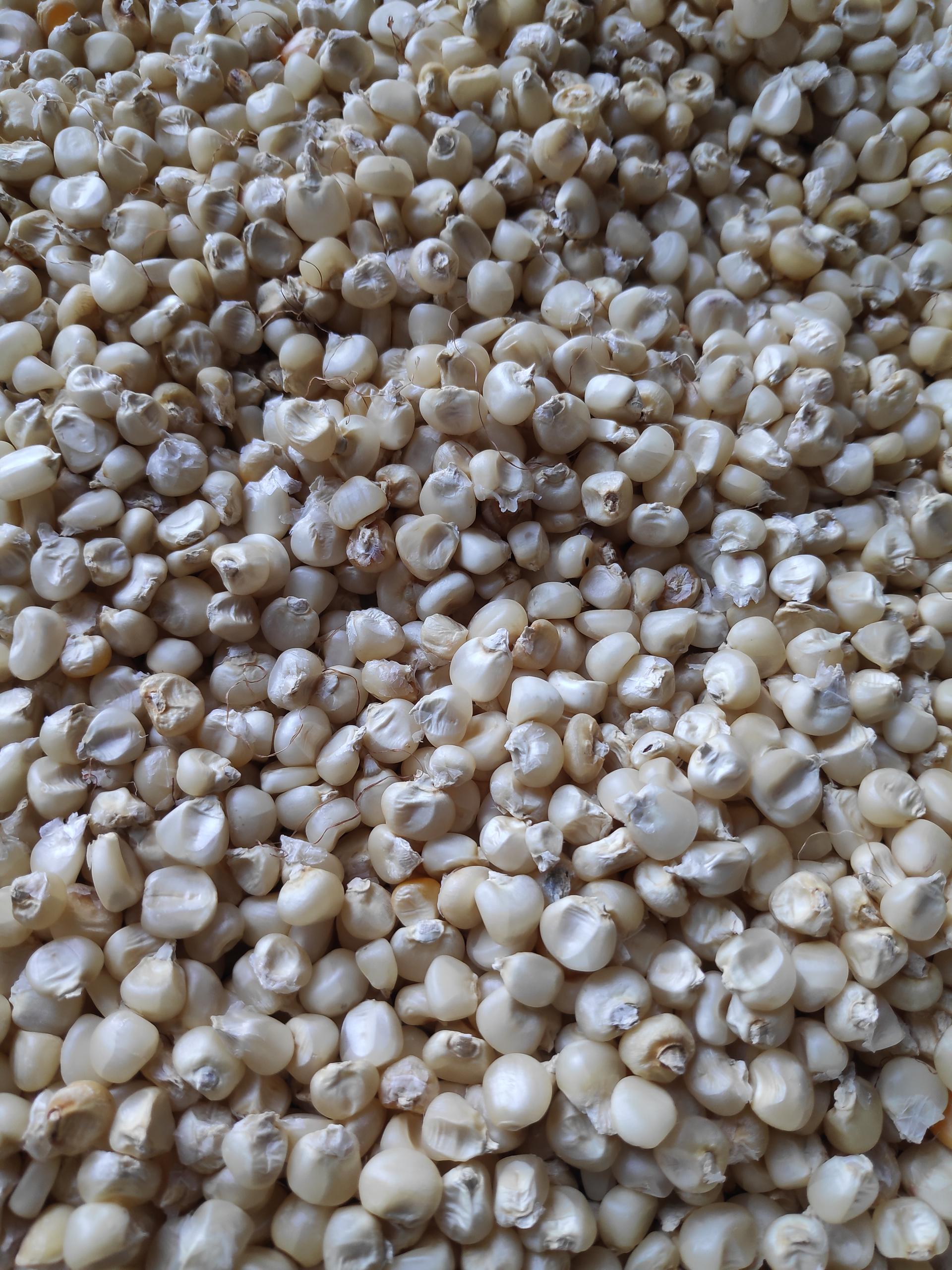
On a leased patch of farmland near Shepparton, in the green flatlands of Victoria, a crop that most Australian farmers have never bothered to grow is pushing up through the soil. The cobs that will come off it are pale, almost ivory — not the bright yellow corn that feeds the country's cattle, but white maize, the grain that becomes ugali in a Nairobi kitchen, sadza on a table in Harare, pap in Johannesburg and nshima in Lusaka. For the two men who planted it, the harvest is more than a business. It is a way of carrying home across an ocean.
The field belongs to Paul Irungu, who was born in Kenya, and Handson Ndahanga, who was born in Zimbabwe. Together they have built what is still a rare thing in Australia: a commercial operation dedicated to a food that millions of Africans grew up on, and that the country's growing African communities have long struggled to find on supermarket shelves.
A Crop That Crossed an Ocean
White maize is not new to the world; it is new to Australia in any quantity. The country's farmers grow yellow maize in abundance, mostly for livestock feed and silage, prized for its hardiness rather than its flavour. White maize is a different proposition. It has a denser endosperm, far less carotene, and it mills into the fine, pale flour that gives the continent's staple dishes their texture and colour. Substitute yellow for white and the result is recognisably wrong to anyone who grew up eating it.
For years the only way to get white maize meal in Australia was to import it, and the country's strict biosecurity rules make that difficult and expensive. Irungu and Ndahanga's bet was a simple one: if the grain is hard to bring in, grow it here.
From a Backyard to Five Acres
The venture began modestly. Ndahanga first planted white maize in his own backyard, growing it for himself and the people around him. Demand quickly outran what a backyard could supply. The turning point came when he partnered with Irungu, who left a corporate job in Melbourne to throw himself into farming full time — a swap of office for open field that says something about how seriously the two men took the idea.
In 2018 the pair leased land in Shepparton, in Victoria's agricultural belt, and began producing white maize commercially. Early sales were strong enough that they expanded their planting to five acres, with ambitions that now stretch beyond the field itself. They want to build their own milling facilities, turning raw cobs into finished flour without leaving the local supply chain.
The Economics of a Grain You Cannot Easily Buy
There is real money in scarcity. Because white maize is so hard to source in Australia, it commands prices that would astonish a corn farmer elsewhere: as much as ten Australian dollars a kilogram on retail shelves, well above what conventional grain fetches. The premium reflects both the difficulty of importing the crop and the steadiness of the demand for it.
The market is not limited to households making porridge. White maize feeds food processors, breweries and starch manufacturers, and it has found a particular niche in gluten-free and specialty products, where its properties are an asset rather than an afterthought. A crop sometimes dismissed as a cultural curiosity turns out to have an industrial appetite waiting for it.
A Market Measured in Memory
What gives the business its floor is people. Australia's African population now exceeds 400,000, a community large enough to sustain steady demand for the foods of home. South Africans form the biggest single group, with more than 224,000 residents, alongside substantial communities from Zimbabwe, Kenya and Zambia. For many of them, a plate of ugali or sadza is not a novelty but a thread back to childhood, to family meals, to a particular idea of what dinner is supposed to be.
That is the quiet engine of the enterprise. Irungu and Ndahanga are not only selling a grain; they are selling familiarity to people who left it behind. In a diaspora often defined by what it has lost — distance from relatives, from language, from landscape — a sack of the right kind of maize flour is a small, edible reassurance.
The Long History in Every Cob
There is an irony folded into the story. White maize is treated as quintessentially African, yet its dominance on the continent is relatively recent and was, in part, imposed. The grain became widely established across Africa during the colonial period, when European administrations promoted it as a high-yield replacement for older staples such as sorghum and millet. Over generations it stopped being a foreign import and became the very definition of home cooking.
Now migration is carrying the crop onward again. As African communities have settled in countries where white maize was never a major food, they have created demand for it where none existed — and, in places like Shepparton, the supply to match. A grain that once travelled into Africa is now travelling out of it, planted by people from the very places that made it a staple.
What Comes Next
For Irungu and Ndahanga, the next step is vertical. Building milling capacity would let them control the crop from seed to flour and reduce the diaspora's reliance on imports altogether — a fully local supply chain for a thoroughly transplanted food. Five acres is not a large farm, but it is a proof of concept, and the appetite it serves is not going to shrink.
The wider lesson sits beyond the balance sheet. Diaspora communities are often discussed in the language of remittances and immigration policy, as senders of money or subjects of visa rules. The Shepparton field is a reminder that they are also builders — of markets, of supply chains, of the small institutions that make a new country feel a little more like the old one. In a quiet corner of Victoria, two men are growing more than maize. They are growing a way to stay connected to where they came from.