A Ledger Read Aloud in Nairobi: What Kenya's Ksh 4.78 Trillion Budget Asks of the Family Abroad
Parliament has approved the 2026/27 spending plan. For Kenyans abroad who underwrite school fees, hospital bills and half-built houses, the numbers land close to home.
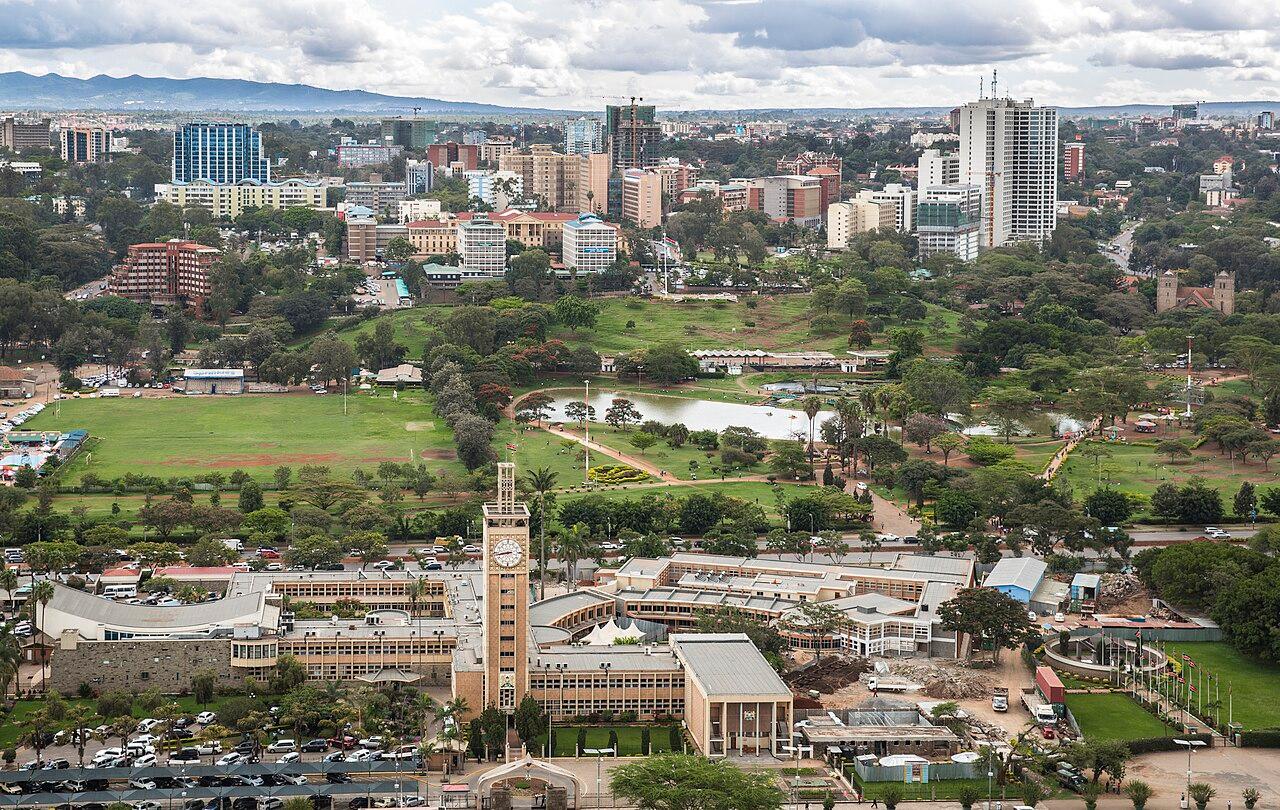
In the chamber of Kenya's National Assembly this week, the chairperson of the Budget and Appropriations Committee, Samuel Atandi, rose to move one of the most consequential motions of the parliamentary calendar: the revenue and expenditure estimates for the financial year that begins on 1 July. By the time the House adopted them, lawmakers had signed off on a framework that People Daily reports will put roughly Ksh 781.4 billion into education and Ksh 175.5 billion into health — the two line items that, more than any others, decide what a Kenyan family abroad will be asked to pay for from a distance.
That is not an abstraction. Every month, money moves from London payslips, Doha labour camps, Minnesota hospital shifts and Toronto warehouses into M-Pesa accounts and school fee structures across Kenya. Central Bank data has for years placed diaspora remittances among the country's largest sources of foreign exchange, ahead of traditional exports like tea and tourism in most recent years. A national budget is, in effect, the other half of the diaspora's own household ledger: whatever the state declines to fund, the family abroad is usually asked to cover.
The school fees line
Education takes the single largest share of the approved estimates at Ksh 781.4 billion, spanning basic, tertiary and university programmes. Inside that figure sit two numbers with direct diaspora resonance. The first is Ksh 4.9 billion to convert 20,000 intern teachers into permanent and pensionable staff — a measure aimed at stabilising the classrooms that diaspora-funded pupils sit in. The second is Ksh 56.7 billion for the Higher Education Loans Board, the agency that determines whether a bright sibling or niece gets state support for university or whether the WhatsApp message asking for tuition lands in a foreign timezone instead.
HELB's allocation matters abroad in a second way: thousands of Kenyans overseas are themselves former HELB borrowers, and the board has spent years pursuing diaspora-based defaulters. A better-funded board is generally a more active one, on both lending and collection.
The hospital bill line
Health receives Ksh 175.5 billion, which Atandi told the House is structured to "strengthen Universal Health Coverage, improve primary healthcare services, and expand specialized healthcare infrastructure," according to People Daily. Within it, Ksh 19.1 billion goes to the Primary Healthcare Fund for dispensaries and community health services, Ksh 4 billion to the Emergency, Chronic and Critical Illness Fund, and Ksh 18.5 billion to programmes targeting HIV/AIDS, malaria and tuberculosis.
For the diaspora, the chronic illness fund is the line to watch. Emergency medical fundraisers — the harambee WhatsApp group, the GoFundMe shared across three continents — remain one of the most common reasons Kenyans abroad send unplanned money home. Lawmakers framed the health allocations explicitly as an attempt to reduce financial pressure on households. Whether a Ksh 4 billion national fund can meaningfully shrink the volume of those midnight appeals is the test diaspora families will run in real time.
The half-built house
Housing is allocated Ksh 138.2 billion, including Ksh 50 billion for the Affordable Housing Programme, which the government says will expand housing units, upgrade informal settlements and create construction jobs. Housing is the diaspora's signature investment: the plot bought in instalments, the mabati phase, the slab phase, the long pause. A state programme that changes the price and supply of formal housing changes the calculus for every Kenyan abroad deciding between building privately and buying into a scheme.
The estimates also fund the quieter infrastructure the diaspora leans on without noticing: Ksh 16.3 billion for rural electrification, Ksh 7.5 billion for the national grid, and continued spending on digital infrastructure including the Konza Data Centre and cybersecurity systems — the rails on which video calls, mobile money and land searches from abroad actually run.
The number behind the numbers
The generosity has a counterweight. During debate, MPs raised concerns over public debt, with debt servicing projected at Ksh 1.1 trillion — a sum far larger than the health budget and rising toward parity with education. Earlier Treasury documents reported by Tuko put the full 2026/27 spending plan at about Ksh 4.78 trillion, with a record domestic borrowing target to plug the deficit, and recurrent spending of roughly Ksh 3.5 trillion dwarfing development expenditure of about Ksh 749 billion.
That structure is what diaspora economists tend to flag. Money borrowed at home competes with private credit; money spent on salaries and debt service does not build the clinic or the road. And when fiscal gaps widen, governments historically look harder at the most reliable dollar inflows they can see — which is one reason every Kenyan abroad has learned to read budget season warily, alert for new levies on transfers, imports or property.
Sixteen months to a ballot
None of this is happening in a political vacuum. The 2026/27 budget is the last full spending year before the 2027 general election, and the estimates carry the fingerprints of that timing: Ksh 3.5 billion in monthly stipends for village elders, Ksh 25 billion in cash transfers for the elderly, Ksh 12.5 billion for the National Youth Service, and confirmed public-sector salary increases taking effect from July. MPs also pointed to savings of Ksh 36.9 billion attributed to the electronic procurement system, while pressing for faster releases from the Exchequer and payment of pending bills.
For the diaspora — which has fought a long, unfinished campaign for practical voting access from abroad — election-season budgets are read twice: once for what they fund, and once for what they signal. A spending plan that leans heavily on visible, recurrent benefits suggests a government campaigning on delivery, and a fiscal year in which the questions diaspora families ask — who pays, who borrows, who collects — will be answered under political pressure.
What happens next
The approved estimates now move to the Appropriation Bill stage, the legal instrument that authorises actual spending from 1 July. Between now and then, the Finance Bill — traditionally the document that determines new taxes — will get its own scrutiny, and it is there that any measures touching remittances, mobile money or diaspora property would surface.
Until then, the ledger is set. Ksh 781.4 billion for the classroom, Ksh 175.5 billion for the ward, Ksh 50 billion for the house — and one line, unwritten but real, for the family member abroad who covers whatever is left.