A Graduation She Did Not See: How June Chebet's Death in Newcastle Reached an Eldoret Family Already in Mourning
A 24-day countdown to a Newcastle podium ended in a Wallsend hospital. For the Kili family of Eldoret, it is the second child lost in two years.

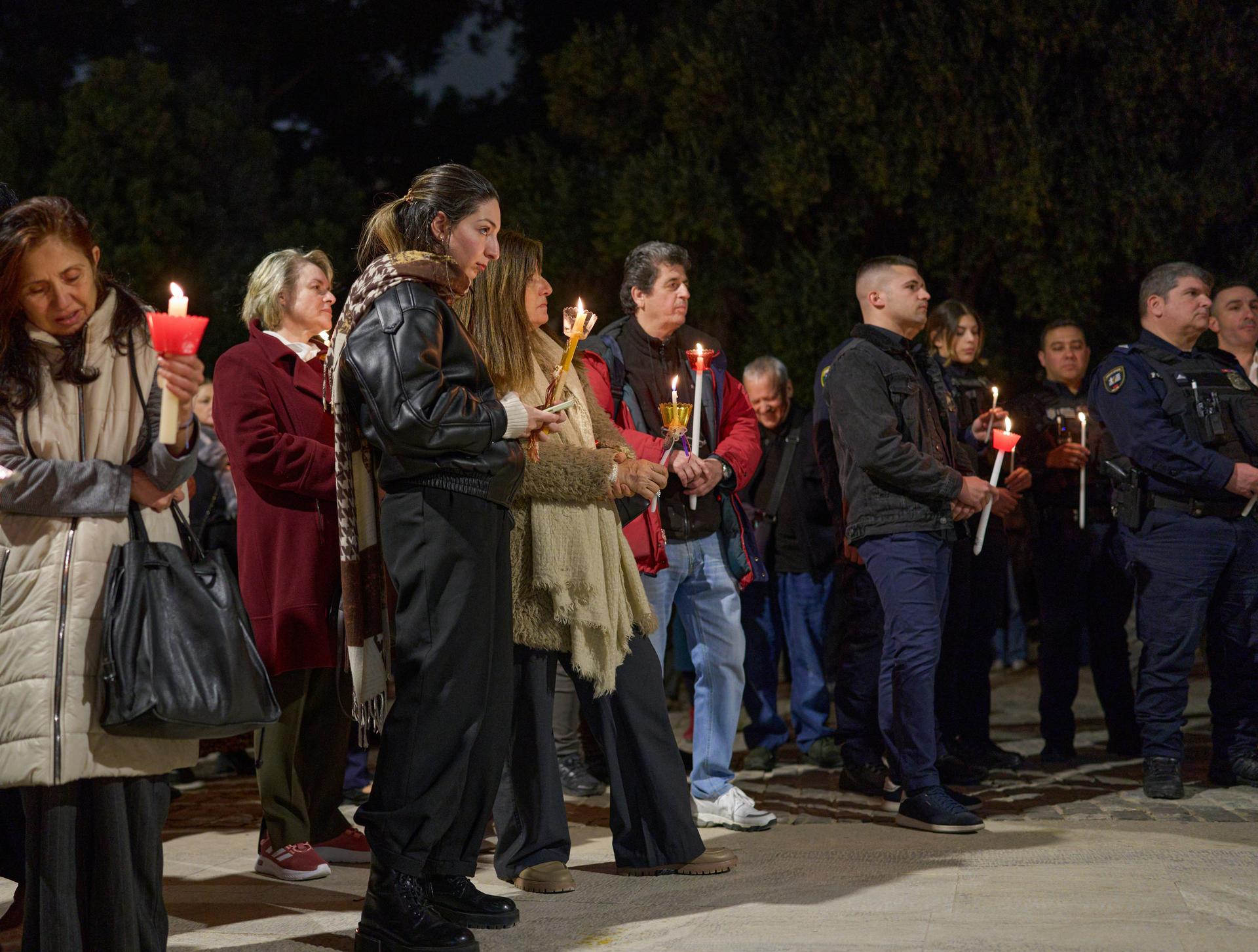
The lights in the small house on Devon Street in Wallsend, a working-class suburb of Newcastle, New South Wales, stay on a little later than they used to. Each evening, from a few minutes past sundown, a steady rotation of Kenyan families park along the kerb, leave their shoes at the door, and gather in a sitting room that is not quite large enough for the crowd. They come for the same reason: to pray for June Chebet Kili, and to hold a grief that, until 1 June, none of them had seen coming.
June, an undergraduate at the University of Newcastle, died on Sunday afternoon at Calvary Mater Hospital, a few suburbs away in Waratah. She had been receiving treatment, friends in the city say, but the speed of her passing has shaken a community that had been watching her count down the weeks to graduation. She was 24 days away from the ceremony that would have closed two and a half years of study far from home. She had told her family, repeatedly, that as soon as her cap and gown were folded, she was coming back to Kenya.
She did not get the chance.
Eldoret to the Hunter Valley: Who June Chebet Kili Was
June was a daughter of the Kili family of the Eldoret area, where her father is a well-known farmer. People who knew her describe her as the quietly disciplined child, the one who got up early, the one who made it as far as the University of Newcastle's Callaghan campus in 2024 on the strength of a hard-earned academic record. She came to Australia, classmates told community leaders, because she wanted a foreign degree she could bring home, not because she wanted to stay.
Her family had a simple plan for her, friends in Wallsend say. She would finish her degree, board a flight back through Sydney, and start work in Kenya before the year was out. The 26 June graduation ceremony was the only fixed point on that calendar.
For most of the past 18 months, her routine looked like that of any quietly hard-working international student: lectures at Callaghan, part-time work near campus, late-night calls home over a patchy WhatsApp connection, occasional weekend visits to the small Kenyan congregation that meets in Newcastle. People who knew her say she did not complain. People who knew her say she was the sort of child for whom things were, by ordinary measures, going well.
A Brother, Then a Daughter: The Kili Family's Compound Loss
Then there is the part of this story that makes it harder, even for a community accustomed to bad news from abroad. June was not the first child the Kili family has buried. Two years ago, her younger brother Rodney died in a farm accident in Kenya. The family had only recently, friends say, started to talk about Rodney's death in the past tense.
Now they are doing it again, for a different child, on a different continent.
Local Kenyan community leaders in Newcastle, in a brief statement read at one of the Devon Street prayer meetings, said the family was "struggling to come to terms with the loss of a second child in such a short period." The statement, signed by mourners on both sides of the diaspora, asked for prayers, for patience, and for help with the logistics of bringing June's body home.
That kind of compound grief is part of the unspoken backdrop to Kenyan migration. Families send abroad, in many cases, the child they have most invested in. When that child does not come home alive, the loss is not only of a person but of a plan, sometimes the only plan a household had for its future.
The 26 June That Will Not Come
The University of Newcastle's graduation ceremonies in late June are normally held in large halls on the Callaghan campus, modest affairs by Australian standards but enormous events in the life of an international student. Families fly in for them. WhatsApp groups carry photos of robed graduates for days. For Kenyan students in particular, the day is the public closing of a long quiet sacrifice, the long flights, the lonely winters, the food that does not taste like home.
June was on the list for 26 June. Her family had begun, friends say, to discuss whether anyone could afford to fly out for the ceremony. The conversation moved, in 48 hours, from logistics to mourning.
For the friends who will graduate that day without her, the ceremony will now carry a separate, private weight. Several have said they intend to wear something to mark her absence. Whether the university itself acknowledges her, on the day, remains to be seen.
Newcastle's Quiet Kenyan Cohort
Newcastle, two hours up the coast from Sydney, is not the obvious centre of Kenyan diaspora life in Australia. Most Kenyans in the country live in Melbourne, in Western Sydney, and in pockets of Perth. The Hunter Valley, by comparison, has a smaller community, a few hundred students and workers scattered across Wallsend, Waratah, Mayfield, and the suburbs around the university. They tend to know one another.
What that quiet network has done, over the past 48 hours, is what diaspora networks do best: open kitchens, run airport pickups, route help-the-family links, sit with the bereaved. The prayer rotation at 1/58 Devon Street has been continuous since Sunday evening. Younger Kenyans have taken over the coordination, a sign, residents say, of how the community has grown beyond its handful of original anchor families.
It is not, however, equipped to do everything. The diaspora's most painful repeated lesson is that grief crosses an ocean far more easily than money does.
Bringing Her Home
The family in Eldoret has not yet announced funeral arrangements. The standard process for a Kenyan death overseas is slow and expensive: a coroner's release in Australia, embassy paperwork in Canberra, the body prepared and flown via Sydney or Melbourne, then the long road from Jomo Kenyatta International Airport to the upcountry community where the Kili family lives. Repatriation, in most recent Australian cases, has cost families significant sums, often beyond what a single household can carry. Community leaders say they expect to begin a formal fundraiser in the coming days, once the family is ready.
For now, the Devon Street house keeps its lights on into the night, and the mourners keep coming. June Chebet Kili will not stand in her gown on 26 June. But for the community that has gathered to grieve her, in Wallsend, in Eldoret, and along the long thread that connects them, she has not, quite, gone yet.