The Quiet Walk to Meriton Suites: Why Kenyan Australia Is Marching for Sheila Chebii on June 2
On Tuesday, hundreds of Kenyans in Sydney will gather at Market X Sussex and walk to the hotel where a 26-year-old accountant from Marakwet was found dead, asking questions her family is still being denied.
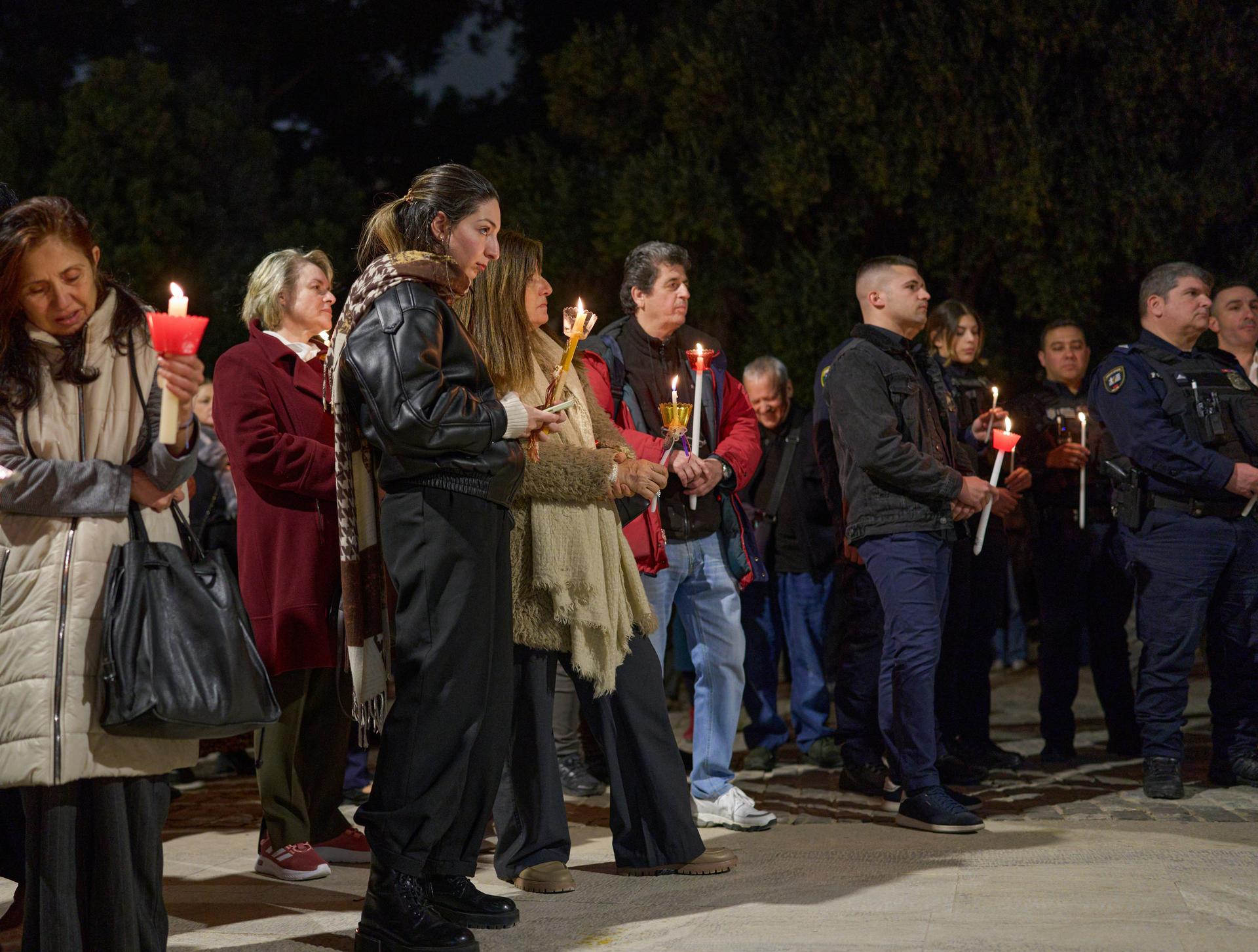
On Tuesday afternoon at 1:30 pm, a small crowd is expected to thicken into a larger one outside Market X on Sussex Street in central Sydney. By 2:00 pm, organisers say, hundreds of Kenyans in white cloth, in flowing kanga, and behind small black-and-red-and-green flags will begin walking south along Sussex Street toward Meriton Suites, the hotel where 26-year-old Sheila Jepkorir Chebii went to work a part-time housekeeping shift earlier this year and never went home. The walk is short. It is also the longest mile her parents in Sambirir, Marakwet East, have travelled in seventeen days.
The march, scheduled to end with a vigil outside Meriton Suites at about 3:00 pm, is operating under a deliberately gentle banner: "Justice for Sheila Chebii, Fight for Our Sister." Below that line, organisers have stitched an even gentler one: "One Voice. One Community. One Purpose. Justice for Sheila. Justice for All." The wording matters because the questions underneath it do not feel gentle at all.
The Daughter Who Left on April 4
Sheila left Jomo Kenyatta International Airport on April 4, 2026, the fourth-born of retired teacher Samuel Kiptanui Chebii and Linah Tanui, holding a first-class accounting degree from Kabarak University, her CPA(K) papers, and an offer to read a master's in accounting and auditing at a Sydney institution. Her plan, her parents told Kenyan reporters, was the plan repeated in nearly every Kalenjin and Kikuyu and Luhya kitchen in Australia: study, qualify, work, send a little home, eventually open a small consultancy and become the international financial consultant her village had taken in shifts to send. Six weeks later she was dead, having fallen — by the official Australian account — from the 19th floor of a luxury Sydney hotel where she was working a hotel housekeeper shift, landing on the building's 4th floor. The fall happened on May 17.
The family's first refusal was simple. They have not accepted that account.
What the Family Says Does Not Add Up
In statements to Kenyan outlets including the Daily Nation, the Eastleigh Voice, Mwakilishi and Diaspora Messenger, Sheila's relatives have described a young woman in regular contact with home, with no known history of self-harm, who had only weeks earlier sent voice notes about her shift schedule and the weather in Sydney. They have asked, in plain language, how a housekeeper came to be on the 19th floor of a building she did not live in, who was with her on the floor, what closed-circuit footage exists and from when, and why the family received versions of events from Sydney that, in their telling, kept shifting.
The Kenyan High Commission in Canberra has confirmed it is following the matter and that a coroner's investigation is open in New South Wales. The Eastleigh Voice has reported that senior Kenyan legislators and county officials from the Rift, including from Sheila's own Marakwet area, have asked to be kept informed of the coroner's progress. None of that has produced, so far, the single document the family is asking for: a clear, attributable account of how their daughter died.
Why Sussex Street, and Why Tuesday
Tuesday's march is not the first community response. There has already been a smaller procession, a separate vigil, statements in Kenyan-Australian church halls in Sydney and Melbourne, and a petition lodged with the High Commission. But Tuesday is the one organisers have asked the whole Kenyan diaspora in Australia, and any Australian friends willing to walk in white, to attend. Participants will gather at Market X Sussex from 1:30 pm and begin marching along Sussex Street at 2:00 pm. New South Wales police are expected to manage traffic and road access. The vigil at Meriton Suites is scheduled to run until roughly 3:00 pm.
The choice of Sussex Street is not accidental. Sussex Street is where Sheila's last shift was. The walk traces, in compressed form, the small distance between a working diaspora life and the moment that life ended. For many Kenyans in Sydney — students on bridging visas, healthcare aides on 482 work visas, accountants on student visas like Sheila's — the geography is literal. They live in apartments off Sussex and George streets, they work cleaning rooms in the same hotel chains, they catch the same buses to weekend services in Strathfield and Auburn. Tuesday's march asks Sydney to slow down in the place where those routines intersect.
A Diaspora That Has Been Doing This Too Often
The march also lands in a heavy season. In the last six weeks alone, the Kenyan diaspora in Australia and the United States has mourned Sheila Chebii in Sydney and Biko Miregwa in the US, while the families of Zacchaeus Tallam in Oregon and William Mukabane in the US have buried sons and fathers. Each of those families has run into the same pattern Sheila's parents are now describing: a long, expensive trans-Pacific or trans-Atlantic phone trail, fragmentary information from foreign police, slow consular updates, and the punishing logistics of bringing a body home. Kenyan officials, including Diaspora Affairs PS Roseline Kathure Njogu, have repeatedly said they are working on a more coherent diaspora protection policy. The Sydney organisers' wording — "Justice for Sheila. Justice for All" — is a polite reminder that, on the pavement at least, that policy has not yet arrived.
What the March Is Asking For
In the statement circulating ahead of Tuesday, organisers have listed three asks. They want New South Wales authorities, including the coroner's office, to release a full and timely account of how Sheila Chebii died, including any available footage and witness statements. They want the Kenyan Ministry of Foreign Affairs, through the High Commission in Canberra, to formally request and publish that account, and to commit to a clear consular channel for the family while the investigation continues. And they want a wider conversation about the safety of Kenyans working on student-visa hours in Australian hospitality — long shifts, late nights, isolated floors — to be put on the table of both governments rather than passed between them.
The march itself is small, in the way that diaspora marches always are small: a few hundred people on a city pavement, on a working Tuesday, in a country far from the village that raised the person they are walking for. But it is also, in the way diaspora marches have always been, a refusal. A refusal to let the story of a 26-year-old accountant from Marakwet East end with the words "fell from the 19th floor". A refusal, especially, to let it end without her family being told, in plain language, what happened on the way down.
When the candles go out outside Meriton Suites a little after 3:00 pm on Tuesday and Sussex Street picks up again, a phone in Sambirir will keep waiting. That phone is the one Sheila's mother has held against her ear, on and off, for seventeen days. The march in Sydney is, in the end, a long-distance answer to that phone, from the only people close enough to walk.