The Waiting Room at the Edge of Europe: Why Kenya Is Being Eyed as the Continent's Deportation Address
As the EU's new Migration Pact hunts for 'return hubs' beyond its borders, Nairobi has surfaced as a leading candidate — a role that could redraw Kenya's place on the global migration map.
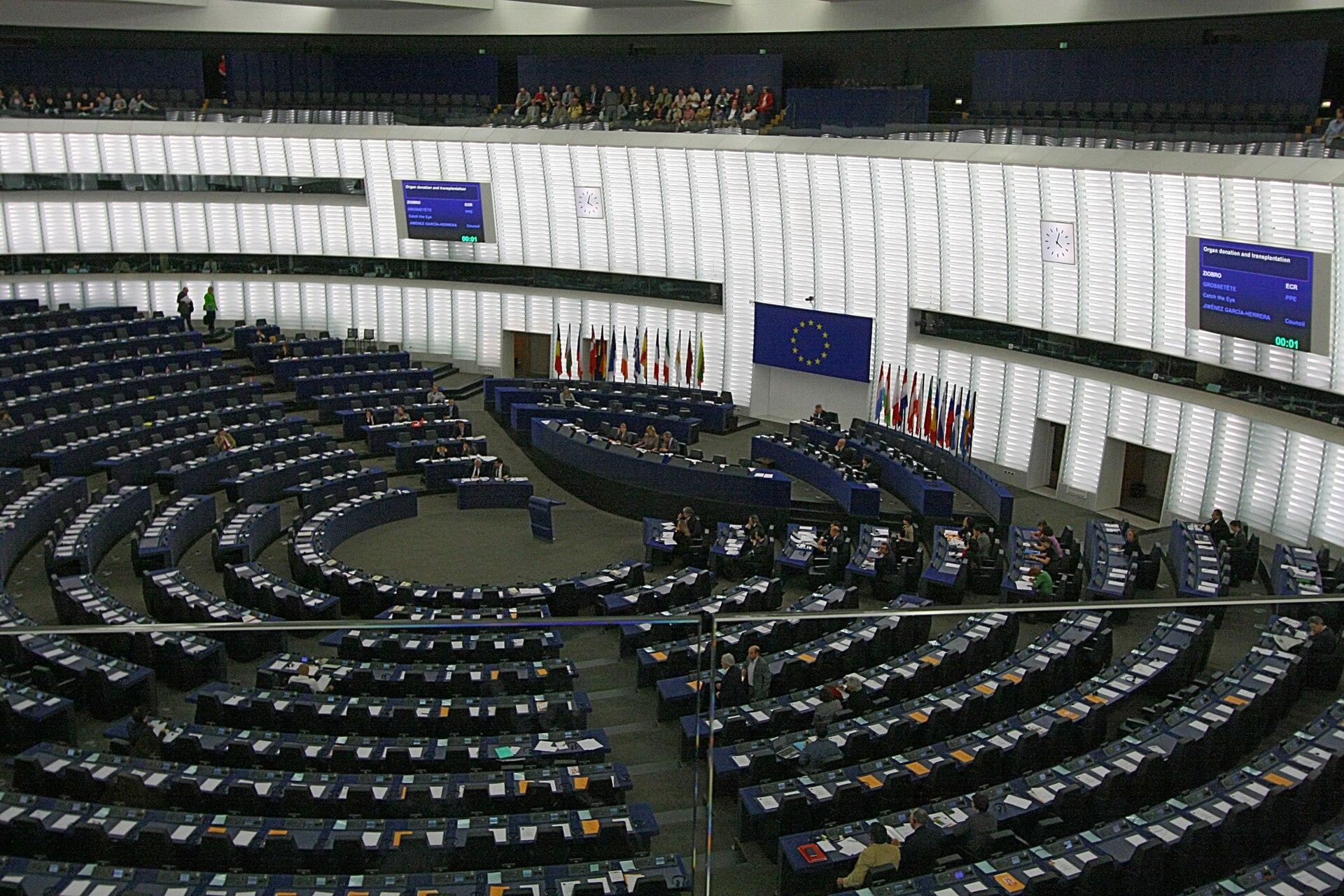
In the corridors that connect Brussels and The Hague, a quiet question has been circulating for weeks, and its answer now points south, toward Nairobi. European officials searching for somewhere to send people who have run out of legal room to stay have begun naming Kenya — not as a source of migrants, the role it has long played in the European imagination, but as a destination for them. It is a reversal heavy with meaning, and most Kenyans first learned of it not from their own government but from the careful, hedged language of foreign diplomats.
The proposal sits inside the European Union's newly adopted Migration Pact, a sprawling overhaul meant to speed up the removal of people whose asylum claims have failed. Among its most contentious ideas is the "return hub": a facility built outside Europe where rejected applicants would wait while arrangements are made to send them onward to their countries of origin. The Netherlands is said to be leading the search for partners, and according to reporting by Mwakilishi and Kenyans.co.ke, Kenya has emerged as one of the leading candidates under consideration.
A Pact That Pushes the Problem Outward
For years, European governments have struggled with a stubborn gap between the number of deportation orders they issue and the number they actually carry out. People disappear into appeals, lose contact with authorities, or simply cannot be returned because their home countries will not take them. The return-hub concept is Europe's attempt to close that gap by moving the waiting elsewhere — beyond its own borders, and beyond the reach of its own courts and protest movements.
The legal scaffolding arrived earlier this month, when European lawmakers approved new return rules. The measures require migrants who receive return decisions to leave within a set period and hand authorities broader powers to stop individuals from evading those orders. "Today, Europe delivered," Dutch lawmaker Malik Azmani said after the vote, framing the changes as a long-overdue answer to public frustration. "People rightly expect that those with no right to stay return to their countries of origin." Critics see something else: an export of responsibility to countries with weaker institutions and less leverage to say no.
Why Nairobi, and Why Now
Kenya did not arrive on this shortlist by accident. European officials weighing potential hosts are reported to be assessing political stability, economic capacity and compliance with international human-rights standards — and on the first two counts, Kenya scores comparatively well. Its economy is among the larger and steadier in the region, and Nairobi has spent years marketing itself as East Africa's diplomatic and logistical hub, the seat of UN agencies and a frequent broker in regional crises.
The timing also reflects a warming of ties between Nairobi and Brussels. President William Ruto and Prime Cabinet Secretary Musalia Mudavadi recently met European Commission President Ursula von der Leyen on the margins of the G7 Summit in France, part of a steady cadence of high-level engagement. Kenya has positioned itself as a willing partner on trade, climate finance and labour mobility, signing or advancing agreements that send Kenyan workers abroad through legal channels. A return-hub arrangement would be a very different kind of migration deal — but it would flow through the same diplomatic pipes.
Kenya is not the only name in the file. Rwanda, Benin, Ghana and Uzbekistan have all surfaced in preliminary assessments, and it remains unclear how far talks with any of those governments have progressed. The Netherlands is reported to be coordinating with Germany, Austria, Denmark and Greece as it tests which countries might be persuaded to participate.
The Bargain Beneath the Offer
No one involved is pretending this is charity. For a host country, agreeing to take in Europe's rejected asylum seekers would almost certainly come bundled with financial and political support — development funds, favourable trade terms, diplomatic goodwill that can be cashed in elsewhere. That is the quiet logic that makes such proposals attractive to governments under fiscal pressure.
But the same arrangement invites intense scrutiny in return. Hosting a deportation facility would put a spotlight on Kenya's own human-rights record, its treatment of detainees, and the legal status of people who could find themselves held on Kenyan soil with no prior connection to the country. Kenya already shoulders one of the heaviest refugee burdens on the continent, hosting roughly 852,000 refugees and asylum seekers as of late May, the bulk of them in the Dadaab and Kakuma camps. Adding a European return hub to that landscape would raise hard questions about capacity, oversight and who, ultimately, is accountable for the people inside.
What It Means for Kenyans, Home and Abroad
For the Kenyan diaspora, the story lands with a particular irony. Hundreds of thousands of Kenyans abroad have navigated Europe's asylum and visa systems themselves, or watched relatives do so, and they know how unforgiving those systems can be. To see their home country recast as the place where Europe's unwanted cases are warehoused is jarring — a sign of how migration politics now ripples in every direction at once.
It also matters for the future shape of Kenya-EU relations. The country's diaspora strategy has leaned heavily on opening legal pathways: labour-mobility deals, recognition of qualifications, smoother visa routes. A return-hub partnership could complicate that goodwill, entangling the promise of legal migration with the machinery of forced removal. Diaspora advocates will be watching closely to see whether Nairobi treats the two as separate negotiations or as parts of one larger bargain.
The Silence That Speaks
For now, the most striking feature of the whole affair is how little anyone will confirm. No agreement has been announced. Dutch authorities have declined to comment on individual countries under consideration, citing the sensitivity of the talks, and Kenyan officials have offered no public position. That silence is itself revealing: these are early, exploratory conversations, the kind that governments prefer to keep out of the headlines until the terms are settled.
What is clear is that the question has been asked, and that Kenya is near the front of the line. Whether Nairobi says yes, extracts a price, or quietly declines will say a great deal about how it sees itself in a world where the politics of migration no longer stop at any single border. For a country that has spent decades sending its people out into that world, being asked to take in someone else's is a new and complicated kind of arrival.