The Clock That Now Starts Ticking: How the EU's New Deportation Law Reaches Kenyans From Rome to Berlin
A sweeping return regulation passed in Strasbourg compresses appeals and lengthens detention, unsettling the undocumented Kenyans who keep Europe's kitchens, care homes and building sites running.
For the man who cleans offices after midnight in a quiet district of Rome, the news from Strasbourg did not arrive as a headline. It arrived, as these things usually do for the undocumented, as a message forwarded between friends: a screenshot, a worried question, a link to a Kenyan news site read on the walk to the bus. He has been in Italy for six years. He sends money home every month. He has no papers. And this week he learned that the rules governing how quickly a country can ask him to leave have just been rewritten.
He is one figure in a population that rarely appears in official statistics but holds up a great deal of ordinary European life. Across the continent, Kenyans without secure legal status work in care homes, restaurant kitchens, construction sites and cleaning crews. Many arrived on visas that have since lapsed, or on asylum claims that stalled. For years, the gap between a deportation order and an actual departure was wide, filled with appeals, paperwork and delay. On Wednesday, June 17, the European Parliament voted to narrow that gap.
The Vote in Strasbourg
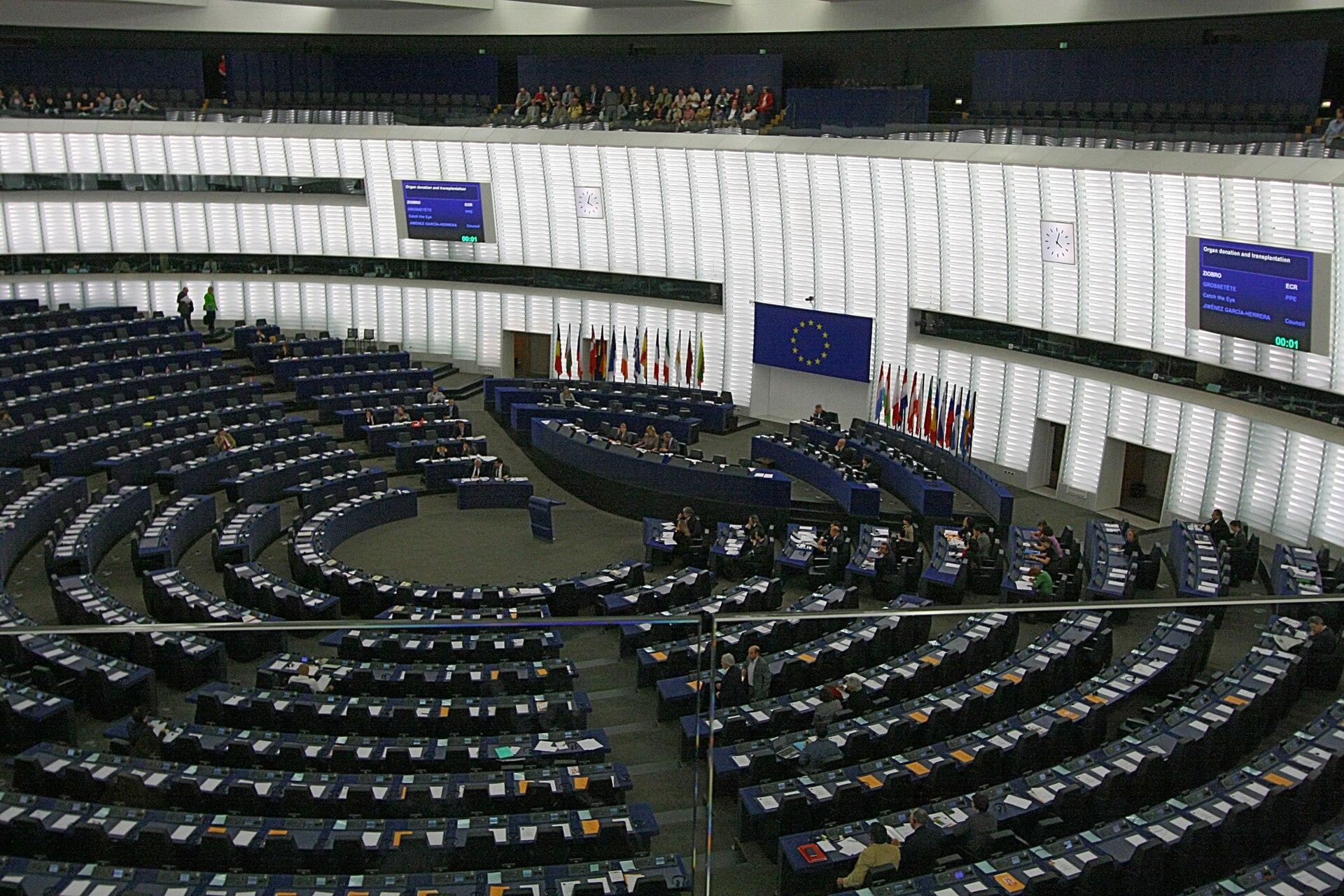
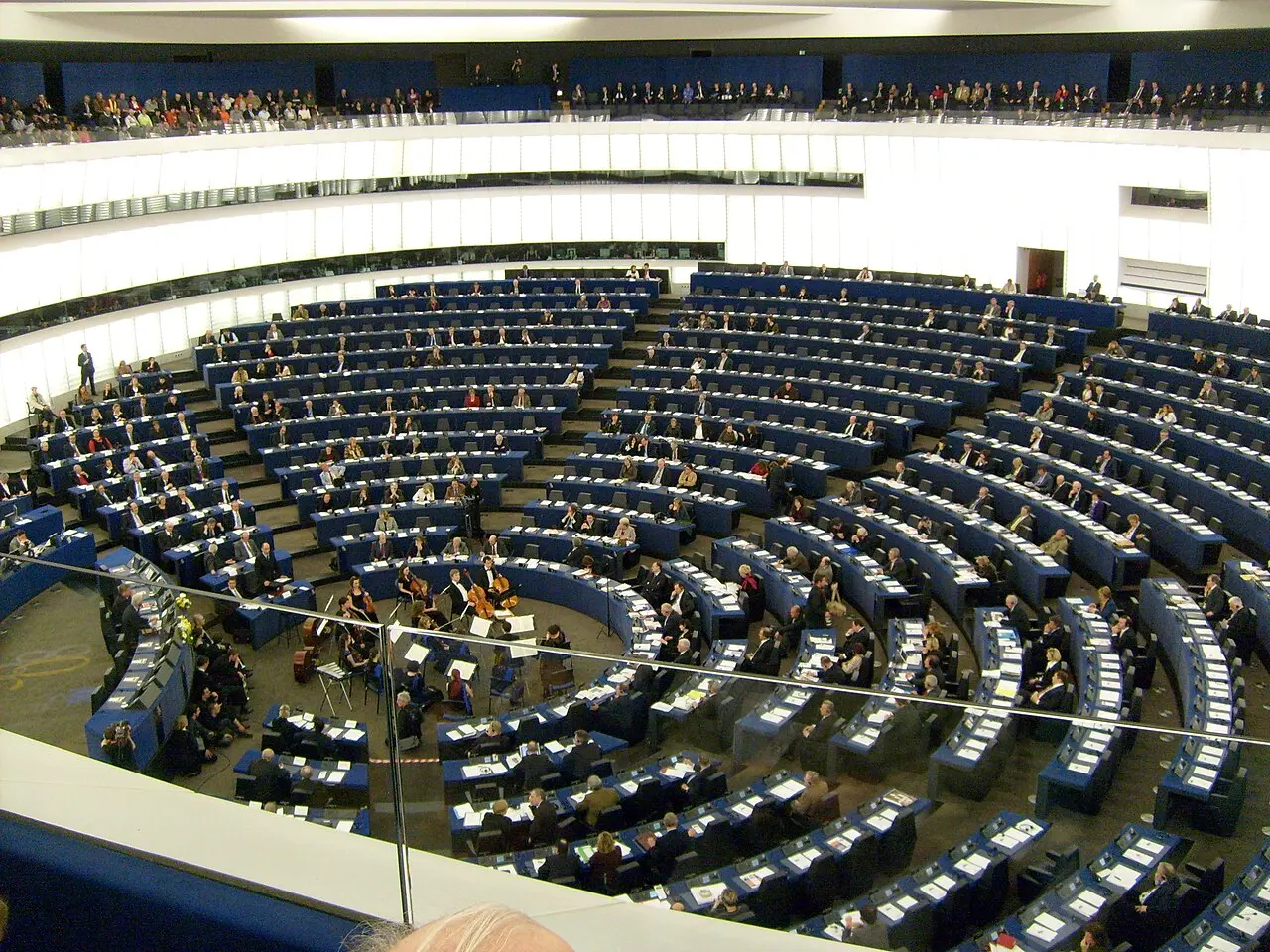
Meeting in the chamber that has come to symbolise the European Union's slow machinery, members of the European Parliament adopted a new Return Regulation by 418 votes in favour, 218 against and 30 abstentions. The measure is designed to simplify and speed up the removal of non-EU nationals who are living in member states without legal authorisation.
It is not yet law. The regulation must still be formally adopted by the Council, which represents the bloc's national governments, and published in the Official Journal before it can enter into force. But the parliamentary vote is the decisive political signal. After years of fragmented national rules and procedural bottlenecks, the bloc has chosen a single, harder framework, and the margin of the vote suggests broad appetite across Europe's political centre for stricter enforcement.
For Kenya, a country whose citizens are scattered through Germany, Italy, France and beyond, the implications are not abstract. They touch families in Kiambu and Kisumu who depend on what a relative in Europe can send each month.
What the New Rules Actually Do
The core of the regulation is speed. Under the framework, a return decision issued to a non-EU national staying illegally in a member state carries an obligation to leave the country, either immediately or within a set period. The layered, sequential appeals that migrants once used to extend their stay for months or years are precisely what the reform aims to strip away.
The rules also widen the state's power to hold people. Authorities will be permitted to detain individuals facing deportation if they are judged a flight risk, fail to cooperate, or are deemed a security threat. Detention can last up to 24 months, with a possible extension of up to six further months if circumstances change, new information emerges, or cooperation with a destination country improves. Short of detention, member states may require affected people to report regularly to officials, live at a designated address, or submit to electronic monitoring.
National authorities will also be allowed to carry out investigations to facilitate returns, including searches of residences and personal belongings, subject to judicial or administrative authorisation and to legal safeguards. And those who ignore a return order can expect a European Union entry ban, closing the door not just on one country but on the bloc.
The Return Hubs and the Limits
Perhaps the most novel element is the provision allowing member states to transfer migrants facing deportation to so-called return hubs in countries outside the EU that agree to receive them. It is a mechanism that would let a European government carry out a removal even when sending a person directly home proves difficult.
European lawmakers insist the harder edges come with guardrails. Such arrangements, the legislation says, can only be made with countries that respect human rights, international law and the principle of non-refoulement, the long-standing rule against returning people to places where they face torture, persecution or death. The framework also maintains that every case must receive an individual assessment, however brief, and bars collective expulsions. Whether those promises hold in practice is the question immigration lawyers are already asking, because the same reform is built to move faster and review less.
Why It Lands Hardest on the Undocumented
It is worth being precise about who this reaches. For Kenyans living legally in Europe, with valid visas, work permits, permanent residence or citizenship, the new rules are not expected to change anything. Their stay is secure. The regulation is aimed squarely at people without legal status.
But that distinction can feel thinner on the ground than it does on paper. Immigration lawyers warn that the enhanced data-sharing the reform encourages, with national systems synchronised against the bloc's border databases, means a routine encounter could become a turning point. A traffic stop, a workplace inspection, a delayed renewal, and a person who has lived and worked in a city for years could find the clock running on a removal that is now far harder to pause. For the Kenyan cleaning offices in Rome, the change is less about a new offence than about a new speed.
The Money That Travels Home
Behind the legal language sits an economy. Remittances from the European diaspora feed into Kenya's gross domestic product, paying school fees, covering hospital bills and financing the half-built houses that rise slowly across the counties. The United States remains the single largest source of money sent home, but Europe's contribution is substantial, and it flows disproportionately from exactly the kind of informal, lower-paid work that undocumented migrants do.
A faster removal regime, then, is not only a question of who stays and who goes. It is a question that reaches the household budgets of families who may never set foot in Europe, and who measure the continent's politics by whether a monthly transfer still arrives.
Nairobi's Move, and the Clock
The reform lands at a moment when migration policy is tightening almost everywhere, from Washington to Canberra, and Nairobi has been reacting to one closing door after another. The pressure now falls on Kenya's Ministry of Foreign and Diaspora Affairs to do the slow diplomatic work that alone can soften the impact: negotiating bilateral labour agreements that create legal routes, and ensuring its citizens abroad understand precisely where they stand before a return order arrives rather than after.
For the man in Rome, none of that will be settled tonight. He will finish his shift, send what he can, and wait to see whether the Council turns this week's vote into binding law. What has already changed is the arithmetic of time. The space that once existed between an order and a departure, the space in which a life could be quietly held together, is being engineered out of the system. The clock, for thousands like him, has started to tick.