The Vote in Strasbourg: How Europe's New Deportation Law Reaches Kenyans Living in the Shadows
On 17 June the European Parliament approved its toughest return rules in years. For undocumented Kenyans across the EU, the ground has shifted.
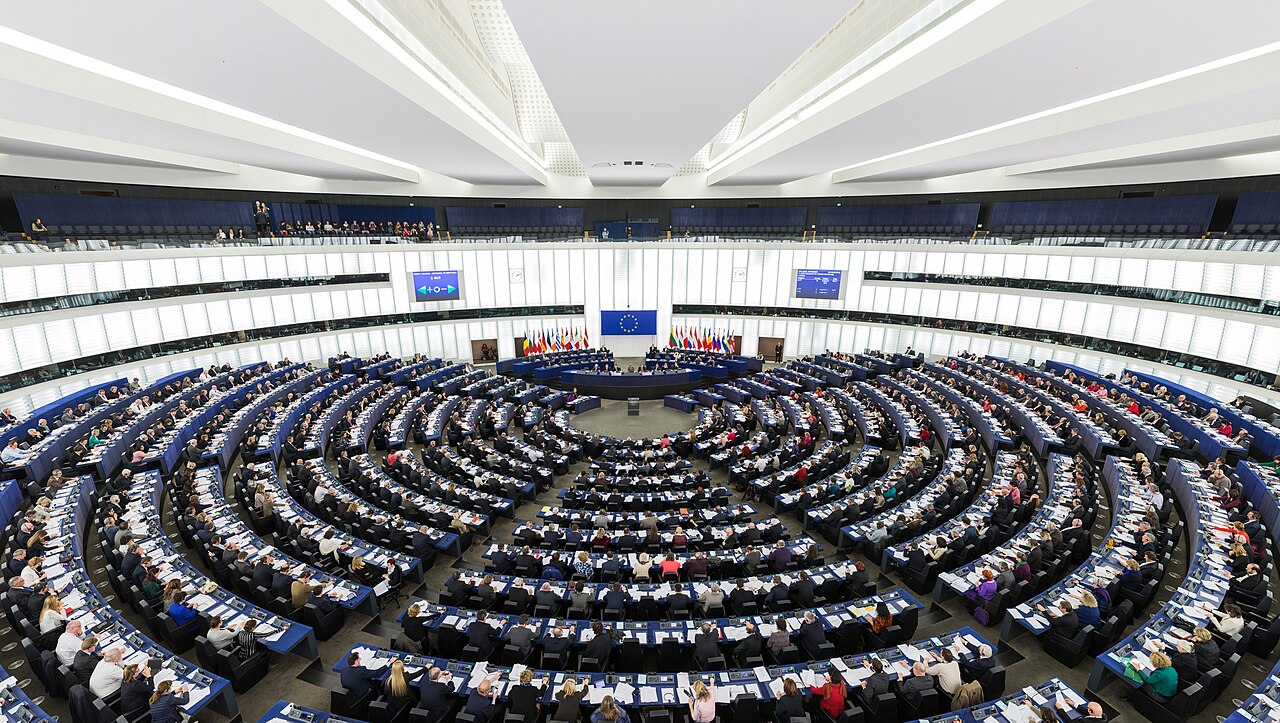
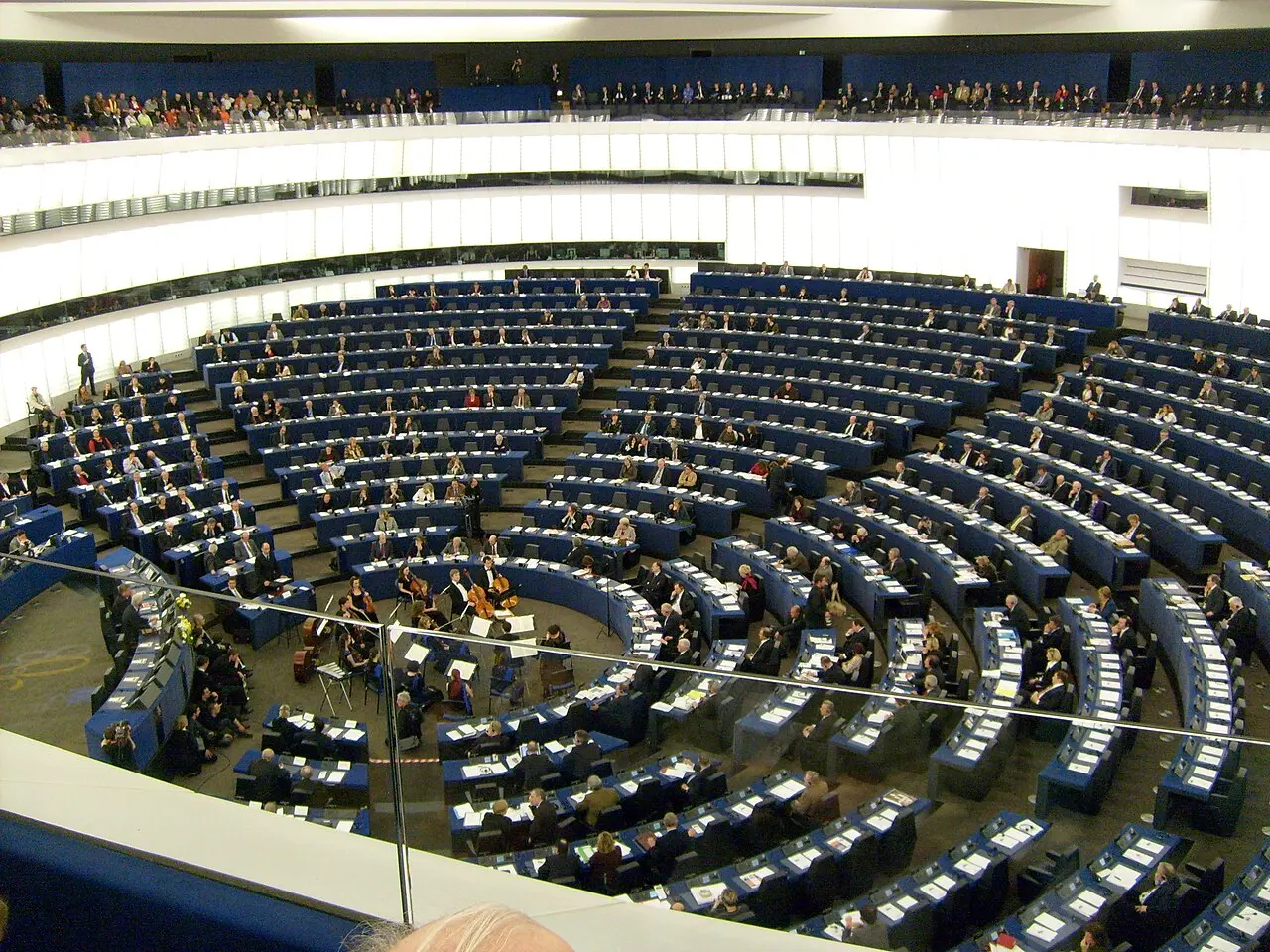
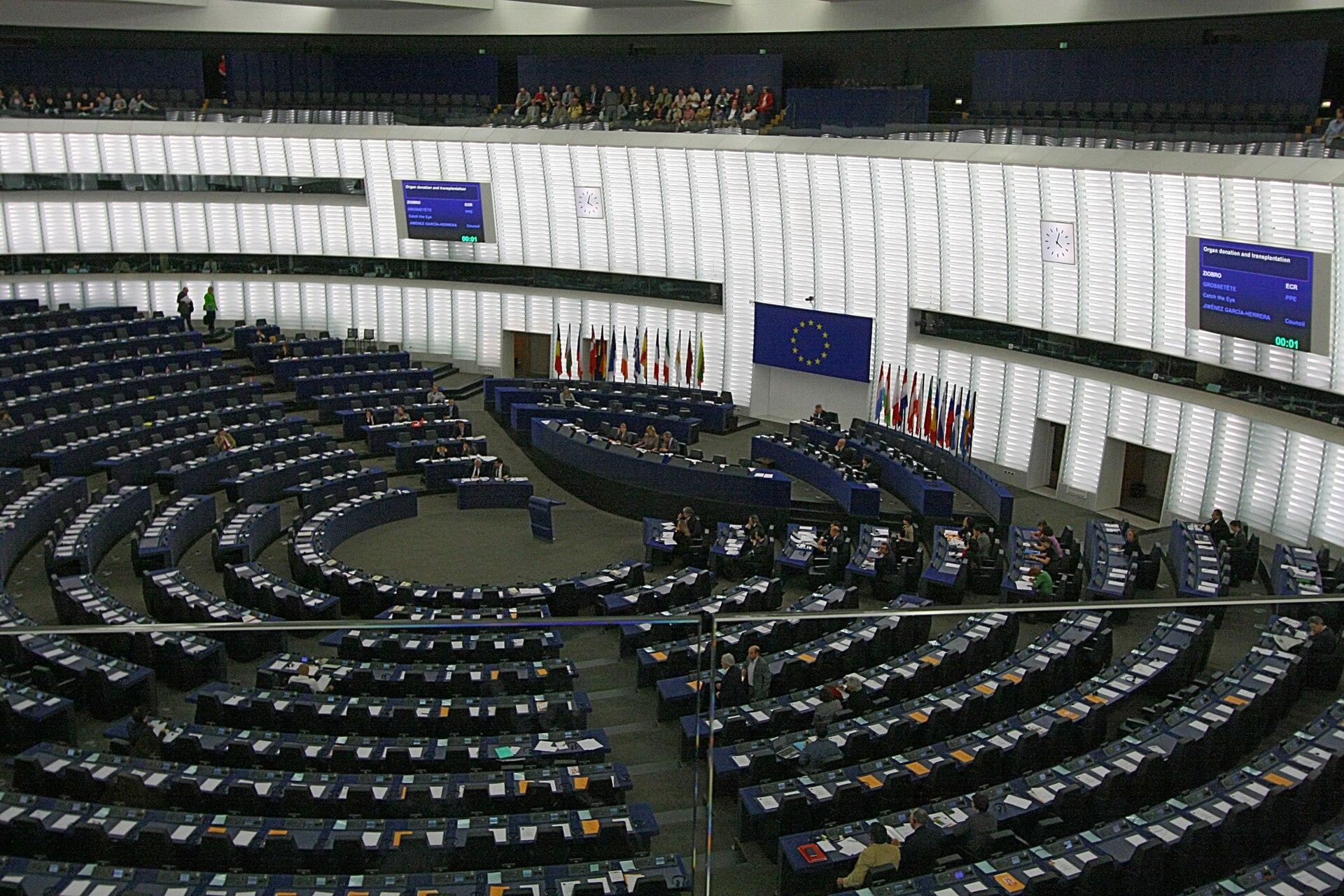
On the afternoon of 17 June, inside the curved chamber of the European Parliament in Strasbourg, a show of hands settled a question that has been building across Europe for more than a year. Lawmakers approved a sweeping overhaul of the bloc's deportation rules, the most significant rewrite of its return policy in recent memory, designed to make it faster and easier for member states to remove people who have no legal right to remain. For the Kenyan teacher who overstayed a visa in Italy, the construction worker waiting on a stalled claim in Germany, or the carer looking after relatives in the Netherlands without papers, the vote in that distant hall has a long reach. It changes the terms on which thousands of undocumented Kenyans live in Europe.
What the New Rules Actually Do The legislation, known formally as the Return Regulation, replaces a patchwork of national procedures with a common European system for sending back non-EU nationals found to be living unlawfully in the bloc. Under the framework, a person issued with a return order must leave either immediately or within a window set by national authorities. For the first time, the rules place a clear legal obligation on the individual to cooperate with their own removal, and those who refuse can face tougher enforcement.
The reform also widens the power to detain. Member states would be allowed to hold migrants deemed a flight risk, a security concern, or unwilling to comply with a deportation order. Detention could stretch to 24 months, with the possibility of further extensions in defined circumstances, far longer than many current national limits. Authorities would also gain the power to search homes and seize documents or electronic devices, steps that require judicial approval.
"Today, Europe delivered. People rightly expect that those with no right to stay return to their countries of origin," said Dutch member of the European Parliament Malik Azmani, who steered the legislation through the chamber. His words captured the political mood that produced the vote: a continent under pressure to show its citizens that immigration enforcement has teeth.
Why It Lands Hard on Kenyans in Europe Kenyans are a small share of Europe's undocumented population, but they are not exempt from its machinery. They arrive as students whose visas lapse, as workers whose permits expire between jobs, and as asylum seekers whose claims are refused but who cannot easily return. Many have built years of quiet life, with rent paid, children in school and money wired home each month, on a status that the new rules make far more precarious.
The expanded detention powers are the part most likely to be felt directly. A missed appointment, an expired document or a refused renewal could now expose someone to months in custody rather than a fine or a deadline to depart. The obligation to cooperate with removal also shifts the burden onto the migrant, so that silence or delay, once a passive form of resistance, becomes grounds for harsher treatment. For families where one undocumented member supports several others through remittances, a single detention can ripple back to Nairobi or Kisumu within weeks.
The Return Hubs Question The most contested element of the package is the creation of so-called return hubs, arrangements that would let EU countries transfer migrants to third countries that agree to receive them under bilateral deals, even when those countries are not the migrant's home. Supporters argue the hubs will lift removal numbers that have long frustrated European governments. Critics, including migration-rights groups, warn that they risk sending vulnerable people to places where their rights and safety cannot be guaranteed, and analysts have compared the direction of travel to the hard-edged enforcement model associated with the United States.
For Kenyan nationals, the practical meaning is still unclear. Much depends on which countries sign hub agreements and on the safeguards attached. The regulation retains the principle of non-refoulement, the bar on returning people to places where they face serious harm, but how that protection holds up against the new emphasis on speed and volume will be tested case by case.
A Wider Western Turn Europe is not moving alone. The vote came amid a broader hardening of immigration policy across the Western democracies that host much of the Kenyan diaspora. The United States has stepped up deportations in recent months, including against Kenyan nationals accused of immigration violations, and has pushed many green-card processes offshore. Britain and several Gulf states have been recalibrating their own rules. Seen together, these shifts describe a world in which the routes that carried a generation of Kenyans abroad are narrowing at roughly the same time.
The timing carried its own symbolism. The Strasbourg vote fell on the same day that President William Ruto met European Commission President Ursula von der Leyen on the margins of the G7 summit in France, a reminder that the relationship between Nairobi and Brussels now runs through trade, security and migration all at once. What gets decided in European chambers increasingly sets the conditions under which Kenyans abroad live, work and plan.
What Happens Next The regulation is not yet law. It still requires final approval from the Council of the European Union, which represents member-state governments, before it can take effect. Some provisions are expected to apply quickly once that approval comes, while others would be phased in over the coming year, giving national administrations time to adjust.
For undocumented Kenyans in Europe, the immediate task is information. Immigration lawyers and diaspora organisations are likely to become busier as people seek to understand whether their situation exposes them to the new detention rules, and what options, whether regularisation, voluntary return or fresh applications, remain open. The window between approval and enforcement is exactly the period in which careful advice matters most. The vote in Strasbourg did not, by itself, change anyone's status overnight. But it redrew the map of risk for a community that has long lived in the gaps of Europe's immigration system, and it served notice that those gaps are closing.