The Clock at the Door: How Europe's Strictest Deportation Law Reaches the Kenyans Who Thought They Were Settled
The European Parliament has approved its toughest-ever return law, with detention of up to two years and "return hubs" abroad. For undocumented Kenyans across the EU, the ground has shifted.
A Vote in Strasbourg
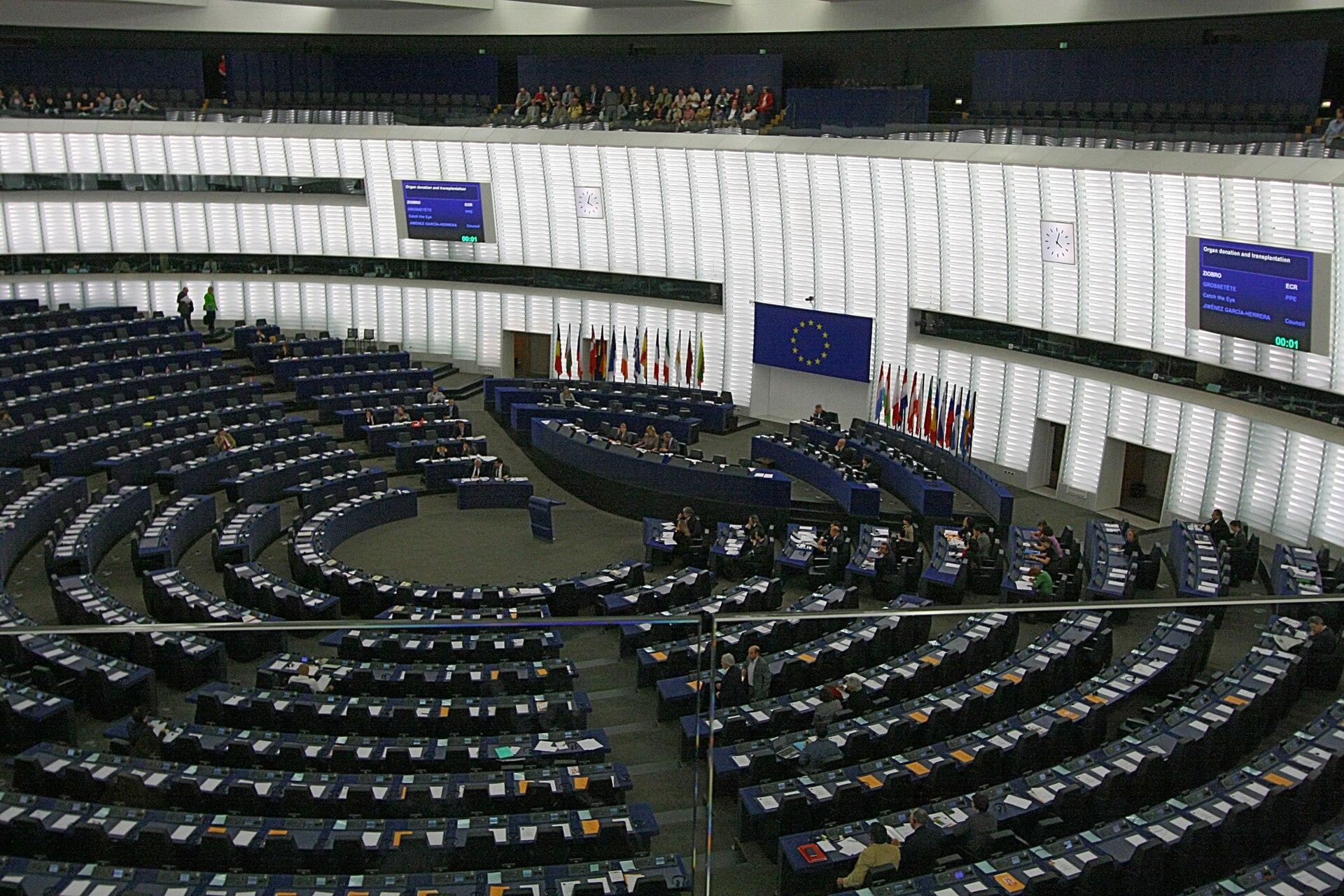
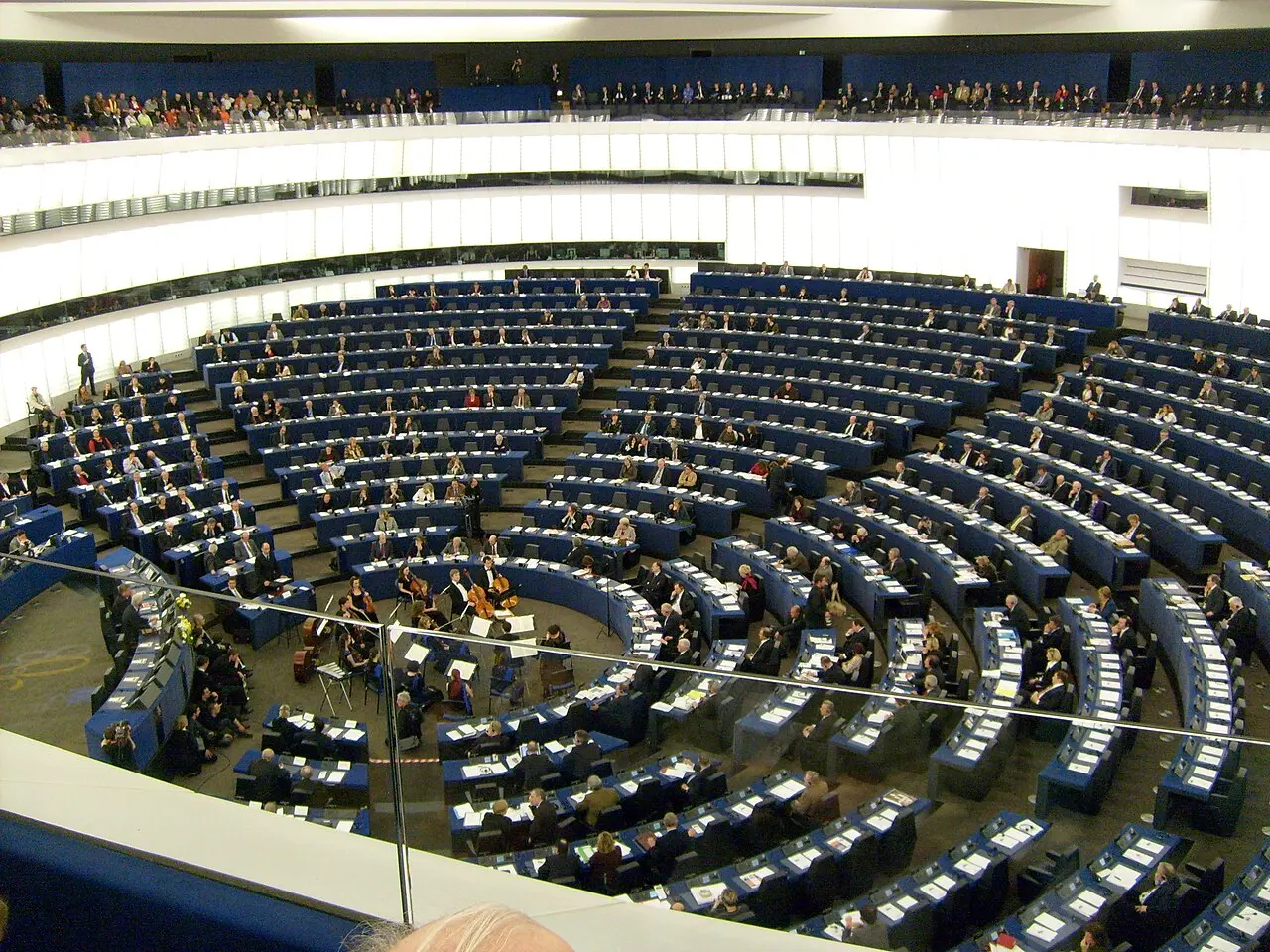
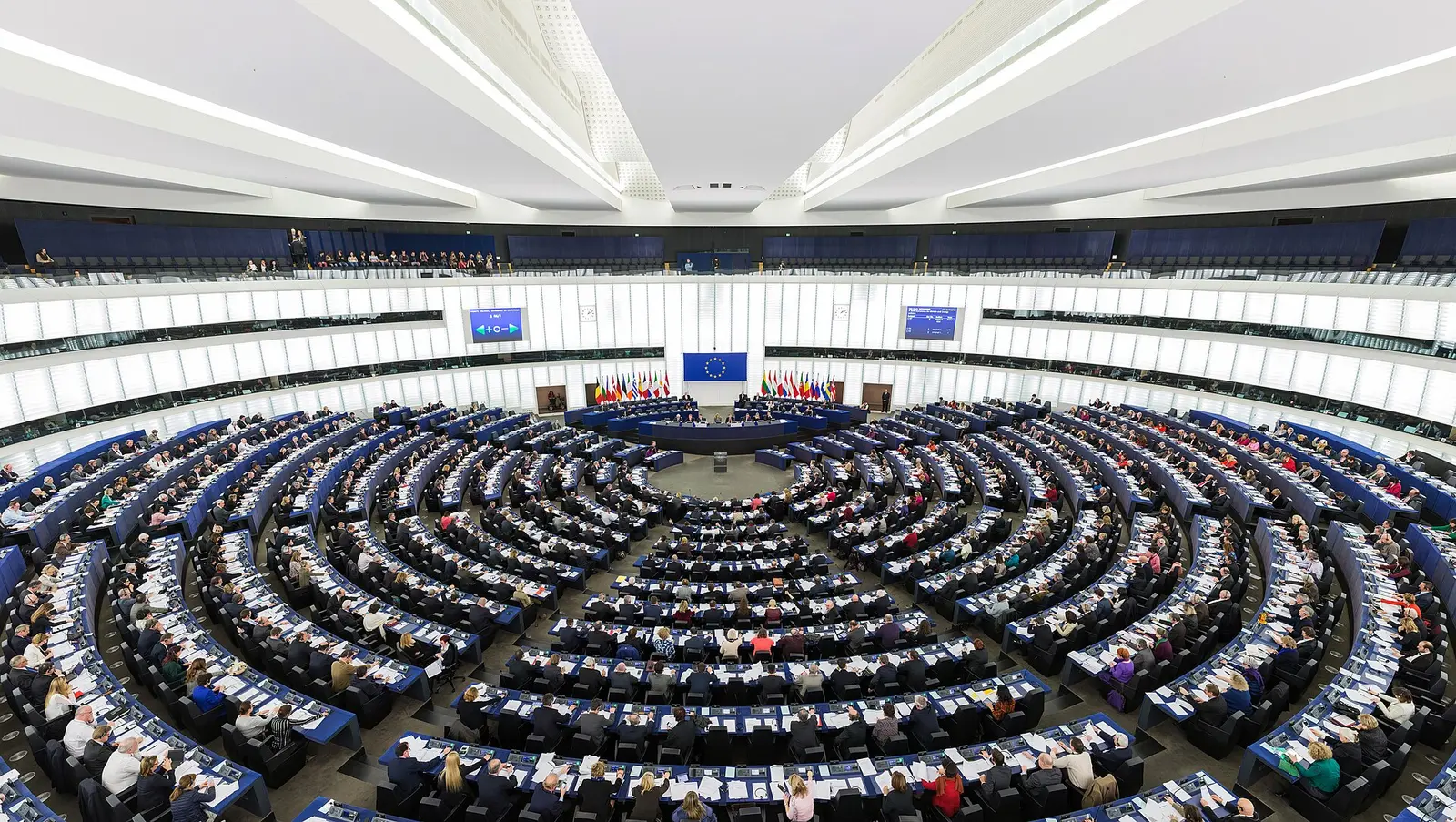
On the afternoon of 17 June, the curved chamber of the European Parliament in Strasbourg filled for one of the most consequential migration votes the bloc has taken in years. When the tally settled — 418 in favour, 218 against — the European Union had approved a sweeping overhaul of its deportation rules. It is the kind of decision that rarely leads the evening news in Nairobi, yet it reaches directly into the lives of Kenyans who have built quiet, undocumented existences in Berlin, Rome, Amsterdam and dozens of cities in between.
For a nurse who let a work permit lapse, a student who stayed on after a course ended, or an asylum seeker whose claim was refused but who never left, the vote was not an abstraction. It redrew the terms on which they live. The new Return Regulation is built to do one thing above all else: make it faster and easier for member states to remove people the law says have no right to remain.
What the Law Actually Changes
The headline shift is speed. Under the new framework, a person issued with a return order will be expected to leave immediately or within a window set by national authorities, and the law places a formal obligation on that person to cooperate with their own removal. Those who do not comply can face tougher enforcement.
The most contested change is detention. The maximum period that an irregular migrant can be held while awaiting return rises from six months to as much as 24 months, with the possibility of further extensions in certain cases and, for individuals deemed a security risk, no fixed ceiling at all. Authorities will also be permitted to search homes and seize documents and electronic devices as part of return procedures, subject to judicial approval.
Dutch member of the European Parliament Malik Azmani, who steered the legislation through the chamber, framed it as a response to public demand. "Today, Europe delivered. People rightly expect that those with no right to stay return to their countries of origin," he said during the debate. Supporters argue the bloc's old patchwork of national rules had become unworkable, with only a fraction of return orders ever carried out.
The "Return Hubs" Question
The provision drawing the sharpest reaction is the creation of so-called return hubs — arrangements that would let EU countries transfer migrants to third countries that agree to receive them under bilateral deals. Unaccompanied minors are excluded, but the principle marks a significant departure: a person removed from Europe could be sent not to their home country but to a third state entirely.
Reporting around the regulation has linked a range of countries to preliminary, unconfirmed discussions about hosting such hubs, among them Rwanda, Uganda, Ethiopia, Egypt, Tunisia, Mauritania and Kenya, alongside Uzbekistan and Montenegro. None of these arrangements has been confirmed, and several governments have said nothing publicly. But the mere appearance of East African names on that list is why the debate matters far beyond Brussels.
Critics have been blunt. Analysts at the Centre for European Policy Studies warned the regulation risks importing a harsher, more militarised model of enforcement into European migration policy, while humanitarian researchers have raised concerns about detention conditions and the rights of people sent to countries with which they have no connection. Rights groups argue the law trades due process for deportation statistics.
Why It Reaches the Kenyan Diaspora
Kenya's footprint in Europe is large and growing — students, care workers, hospitality staff, drivers and professionals spread across the continent. Most are documented. But a meaningful number are not: people who arrived legally and slipped out of status when a visa expired, a job ended, or an asylum claim collapsed. It is this group the regulation targets most directly.
For them, the practical consequences are concrete. Removals are likely to move faster, leaving less time to appeal, gather documents, or arrange affairs. Detention can now stretch far longer, separating parents from children and breadwinners from dependents for months on end. And because the law leans heavily on cooperation between the EU and migrants' countries of origin, governments like Kenya's may come under fresh pressure to sign readmission agreements and accept returnees more readily.
The timing compounds the effect. The wider New Pact on Migration and Asylum, of which the return overhaul is a part, became applicable across the bloc on 12 June, meaning the enforcement environment was already tightening when the new vote landed. For families who send money home, a relative's detention or sudden removal can sever a remittance lifeline overnight.
A Wider Tightening
Europe is not acting in isolation. The United States has stepped up deportations over the past year, including against Kenyan nationals accused of immigration violations, and several Western governments have moved in the same direction. The diaspora is reading these shifts together, as a single hardening mood rather than a set of separate national quirks.
There is a diplomatic backdrop, too. The Strasbourg vote took place on the same day President William Ruto met European Commission President Ursula von der Leyen on the sidelines of the G7 Summit in France — a reminder that the relationship between Nairobi and Brussels is being negotiated at the highest level even as enforcement tightens on the ground. Kenyans abroad find themselves caught between the warm language of partnership and the colder machinery of return.
What Happens Next
The regulation is not yet the final word. It must still receive approval from the Council of the European Union before it takes effect, and even then some provisions would apply immediately while others are phased in over the coming year. That gap leaves a window — narrow, but real.
Immigration lawyers and diaspora organisations are urging the same steps they always do when the rules harden: regularise status wherever possible, keep documents current, seek qualified legal advice early rather than after a return order arrives, and stay in contact with Kenya's missions abroad, which remain the formal channel for consular help. None of that undoes the law. But for a community that has weathered tightening borders before, information remains the first defence. The chamber in Strasbourg has spoken; for thousands of Kenyans in Europe, the work now is to understand exactly what it said.