The Vote That Crossed the Mediterranean: How Europe's New Deportation Law Could Reach Kenyans Without Papers
On 17 June the European Parliament approved its toughest return rules in years. For undocumented Kenyans from Lisbon to Helsinki, the ground has shifted.
In a shared flat in a European city, the kind where two or three Kenyans split the rent and the news from home arrives by phone late at night, a single line of reporting travelled fast this week. Europe, it said, had just made it easier to send people back. For thousands of Kenyans who have built quiet lives on the continent without settled legal status — cleaning hospital wards, minding other people's parents, picking fruit in the long summer light — the headline was not abstract policy. It was a question about the floor beneath their feet.
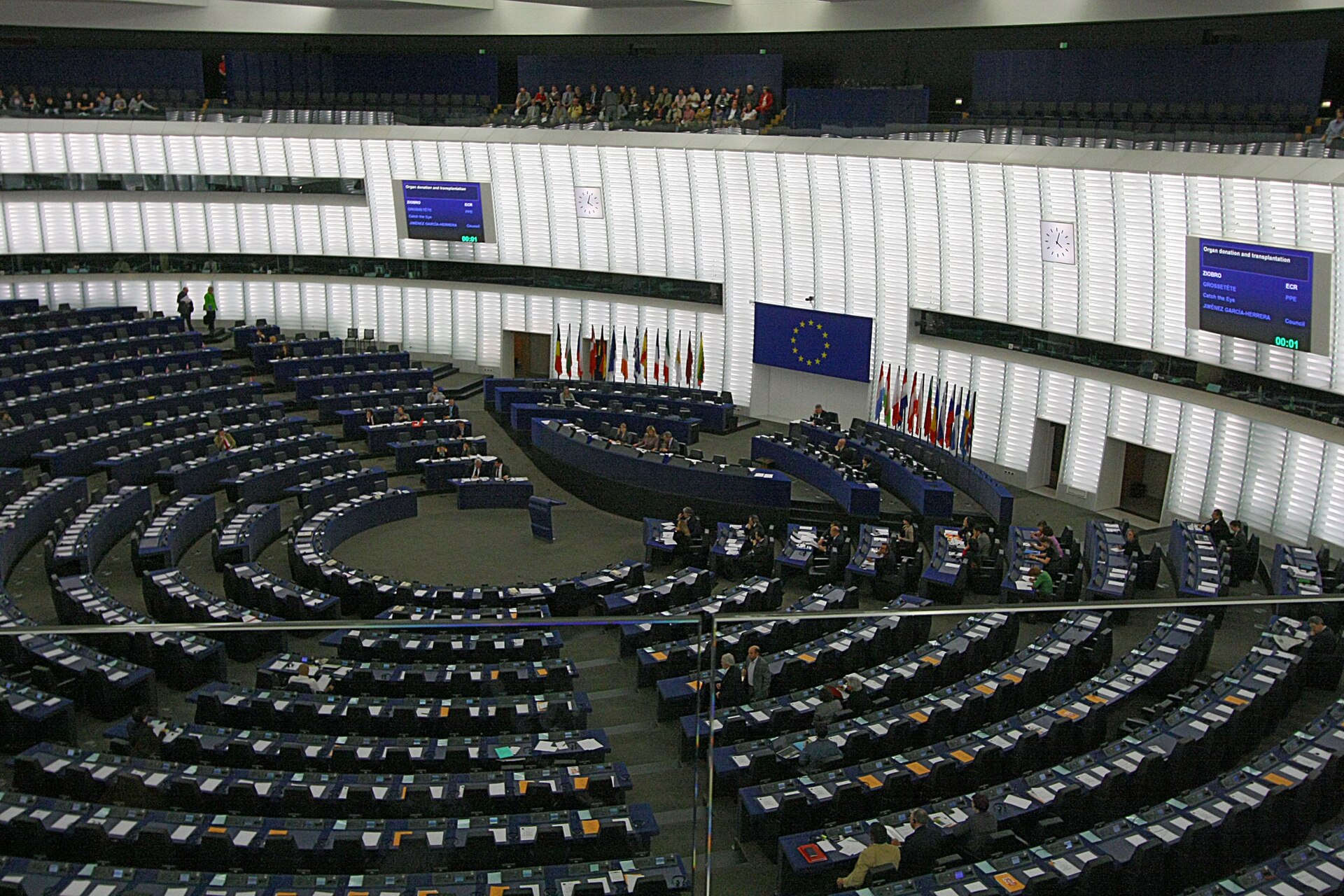
That question grew sharper on 17 June, when the European Parliament approved a sweeping overhaul of the bloc's return rules. Lawmakers backed the new framework by 418 votes to 218, with 30 abstentions. It is, by the Parliament's own account, one of the most significant changes to European Union return policy in years, and it is built around a single ambition: to speed up the removal of non-EU nationals found to be living in the bloc without the right to stay.
What the Parliament Actually Passed
The new Return Regulation rewires the machinery of deportation. Migrants issued with a return order would be required to leave immediately, or within a window set by national authorities, and for the first time they would carry a clear legal obligation to cooperate with their own removal. Those who do not could face tougher enforcement.
The Dutch member of parliament Malik Azmani, who steered the legislation through the chamber, framed it as a promise kept. "Today, Europe delivered. People rightly expect that those with no right to stay return to their countries of origin," he said during the debate. Critics heard something else: a system that shifts the burden of proof and the weight of compliance onto some of the most precarious people on the continent.
Crucially, the text is not yet law. It still needs final sign-off from the Council of the European Union, which represents the member states, before it takes effect. Some provisions could apply almost immediately once that happens; others would be phased in over the coming year. But the direction of travel is no longer in doubt.
The Return Hubs, and Why Nairobi Keeps Coming Up
The most contested idea in the package is the "return hub." The regulation would allow EU countries to transfer migrants who have exhausted their right to stay to third countries that agree, through bilateral arrangements, to receive them. Unaccompanied minors are excluded. Supporters argue the hubs would lift the number of removals that actually happen, closing the long gap between orders issued and orders carried out. Opponents warn about the rights of the people moved and the conditions waiting for them at the other end.
For Kenyan readers, the detail that lands hardest is geographic. In the wider reporting around the vote, a list of countries has surfaced as the subject of preliminary, informal discussion about hosting such hubs — among them Rwanda, Tunisia, Mauritania, Egypt, Uganda, Ethiopia and Kenya. None of this is settled. No country has formally agreed to host a hub, and the conversations remain exploratory. But the mere appearance of Kenya on that list turns a European debate into an East African one, and raises a prospect Nairobi has not publicly entertained: becoming a destination not only for its own returning citizens but potentially for others removed from Europe.
Detention, and the Long Clock
If the return hubs are the part that travels furthest, the detention provisions are the part that bites closest. The regulation expands the power of member states to hold undocumented migrants who are judged a flight risk, considered a security threat, or who refuse to comply with a removal order.
The numbers are stark. Detention could stretch up to 24 months, with the possibility of further extension in certain circumstances — a long clock for anyone caught in it. Authorities would also gain the power, subject to judicial approval, to carry out investigations that include searching homes and seizing documents or electronic devices. For an undocumented worker, that is the difference between living in the shadows and living one address check away from a detention centre.
The Rights That Remain on Paper
The regulation is not only a list of new powers. It also restates a set of protections that, on paper, still apply to anyone facing removal. A person issued a return order retains the right to written notice. In many cases they keep a period for voluntary departure. They are protected, at least in law, against being sent to a place where they would face persecution or serious harm. And they keep the right to mount a legal challenge before they can be expelled.
The distance between a right written into a regulation and a right exercised by a frightened person in an unfamiliar language is, of course, the whole story of immigration enforcement. Community organisations across Europe — including the Kenyan associations that quietly run WhatsApp groups, fundraisers and legal referrals — are likely to spend the coming months translating these provisions into plain advice. Know your departure window. Keep your papers. Do not sign what you cannot read.
A Squeeze From Two Directions
The European vote did not happen in isolation, and for the diaspora it lands as one half of a tightening vice. Across the Atlantic, the United States has been ramping up its own removals, including against Kenyan nationals accused of immigration violations, even as it narrows the legal pathways that once brought families over. A Kenyan weighing whether to regularise, to move, or to stay put now reads bad news from two of the diaspora's largest host regions in the same week.
There was a quiet diplomatic backdrop, too. The Parliament cast its vote on the same day that President William Ruto met European Commission President Ursula von der Leyen on the sidelines of the G7 summit in France. Migration management has become a standing item in Africa-Europe talks, and the choreography — a returns law passing in Strasbourg while a Kenyan head of state shakes hands in the Alps — captures how tightly the diaspora's fate is now woven into government-to-government bargaining.
What Happens Next
For now, nothing changes on a Tuesday morning in a European care home or warehouse. The regulation must clear the Council before any of it becomes enforceable, and the return hubs remain a concept in search of a willing host. But the political signal is unambiguous, and signals shape behaviour long before statutes do.
The practical advice from those who work with migrants is unglamorous and urgent: understand your status, keep documents current and accessible, seek qualified legal help early rather than late, and treat rumour with caution while treating the law with respect. For the Kenyan diaspora in Europe, the vote of 17 June is a reminder that the rules under which they live are written in rooms they will never enter — and that staying informed is, increasingly, a form of protection in itself.