The Tournament on the Other Side of the Glass: How a Three-Country World Cup Tests the Kenyan Diaspora's Summer
Kenya is not in the 2026 World Cup, but its diaspora across North America is living it — through visa walls, the FIFA Pass, and a quiet warning from Nairobi about who should make the trip.
For a family in the Twin Cities this June, the world's biggest football tournament arrived not with a roar but with a logistics problem. The matches were close enough to drive to. The tickets, bought months ago, sat in a phone wallet. The question that filled the kitchen table was not who would win, but who in the wider family — a brother in Nairobi, an aunt in the Gulf — could realistically get through an American airport to sit in the stands beside them.
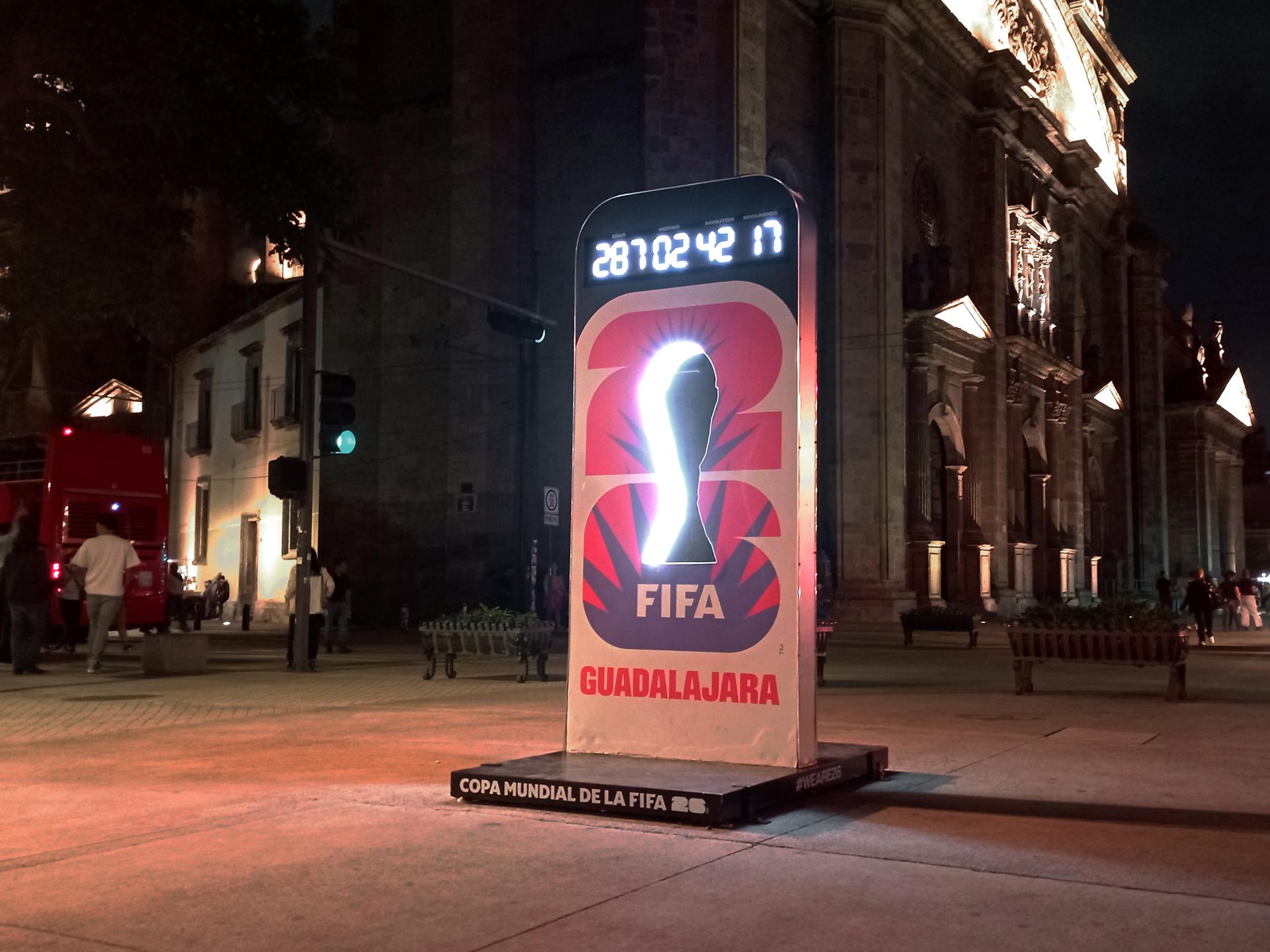
That small, domestic calculation is being repeated in Kenyan households across North America. The 2026 FIFA World Cup, co-hosted by the United States, Canada and Mexico, is the first edition staged across three countries and the largest in the tournament's history: 48 teams and 104 matches, with the United States serving as primary host. For the Kenyan diaspora, it is a summer spent close to the action and yet, for many of their relatives back home, separated from it by a pane of immigration glass.
A celebration measured by who can enter
The numbers around the tournament are staggering. The National Immigration Forum, citing tournament and industry projections, estimates that around 1.24 million international visitors will travel to the United States specifically for the World Cup, part of more than five million fans expected to attend matches across the three host nations. FIFA projects a global audience of roughly six billion people — a reach the organisers say will surpass any previous World Cup and even the Olympics.
But a tournament of that scale is also a vast, real-time test of who a country is willing to let in. And in the months before kickoff, the United States narrowed that gate. A presidential proclamation issued on June 4, 2025 suspended the entry of nationals from 19 countries; a second, on December 16, 2025, widened the list to 39. Both carve out an exception for the tournament itself — but a narrow one. It covers athletes, coaches, people in a "necessary support role" and the immediate relatives of athletes. It does not cover spectators, journalists, corporate sponsors or extended family.
Kenya is not on the list — and that matters
The first thing to say plainly, because rumour travels faster than fact in diaspora group chats, is that Kenya is not among the restricted countries. Of the 48 nations whose teams qualified, only four are subject to the travel bans — Iran, Haiti, Côte d'Ivoire and Senegal — and Kenya's Harambee Stars are not in the tournament at all. A Kenyan passport holder is not barred from the United States by these proclamations, and Kenyans already settled in North America can attend matches without limitation.
What Kenyans share with much of the travelling world is the ordinary gauntlet that sits behind the headlines: appointment backlogs, interviews, and the discretion of a consular officer on a given morning. To ease part of that, the U.S. government announced in November 2025 a system called the FIFA Pass, which gives World Cup ticket holders priority appointments for a visitor visa. The Forum is careful to note what the pass is not: it does not guarantee a visa. Every applicant remains subject to the same vetting as anyone else, and a ticket in hand does not override a restriction that would otherwise apply.
There is one further wrinkle that touches families more than fans. In January 2026, the State Department paused immigrant visa processing for nationals of 75 countries. Reporting cited by the Forum stresses that the pause is not expected to affect the tourist visas most spectators use, but it is a reminder of how quickly the rules around who may settle, rather than merely visit, can shift — the kind of change the diaspora reads closely.
A warning from Nairobi
If Washington has been setting the terms of entry, Nairobi has been managing expectations. Kenya's State Department for Diaspora Affairs has used the build-up to the tournament to push a message aimed squarely at young people: that a global sporting event is not a side door to permanent migration. At a Canada-Kenya engagement on safe and orderly migration, Ambassador Isaiya Kabira, representing the diaspora affairs principal secretary, framed Kenya's approach as one "anchored on shared values of legality, protection of migrant rights, and mutual benefit."
The practical scaffolding he described is unglamorous but telling: a labour task force linking the State Department, the Canadian High Commission and Kenyan agencies for labour, immigration and criminal investigations; community-level programmes teaching job-seekers how to spot legitimate opportunities and avoid fraudulent recruitment; and a push for skills recognition in priority sectors such as healthcare and ICT. The subtext is that the danger to a young Kenyan is rarely the stadium turnstile. It is the recruiter promising that a tournament visa can quietly become a life abroad.
Canada's quieter open door
For the diaspora, the three-country format has an unexpected effect: it offers options. Canada, which co-hosts matches alongside the United States and Mexico, carries the lowest travel-risk rating of the three hosts and has been actively courting orderly movement from Kenya. The High Commission of Canada to Kenya convened the very panel on safe migration at which Kabira spoke, explicitly tying the conversation to its role as co-host.
That makes Toronto and Vancouver, for some Kenyan families, a more reachable rendezvous than an American host city — a place where a relative's application is judged against a friendlier advisory and a government keen to be seen welcoming visitors. It is a reminder that "the World Cup in North America" is not one experience but several, and that the border a fan meets depends a great deal on which of the three flags is flying over the stadium.
What the summer really tests
For Kenyans abroad, this World Cup was never really about Harambee Stars; the team is not in it. It is about something quieter — whether the people who left home can gather the people who stayed, in a stadium, for ninety minutes, in countries that keep rewriting the rules of arrival. The tournament will crown a champion in July. Long before then, in kitchens from Minneapolis to Mississauga, it has already become a test of who can cross, who must watch from the other side of the glass, and how a community spread across continents decides what a gathering is worth.