The Oath She Earned in Uniform: How a Soldier from Kapkatet Became American the Hard Way
Mercy May Jerono enlisted in the US Army as a non-citizen. Her naturalisation reveals the quiet, demanding bargain thousands of immigrants strike to belong.
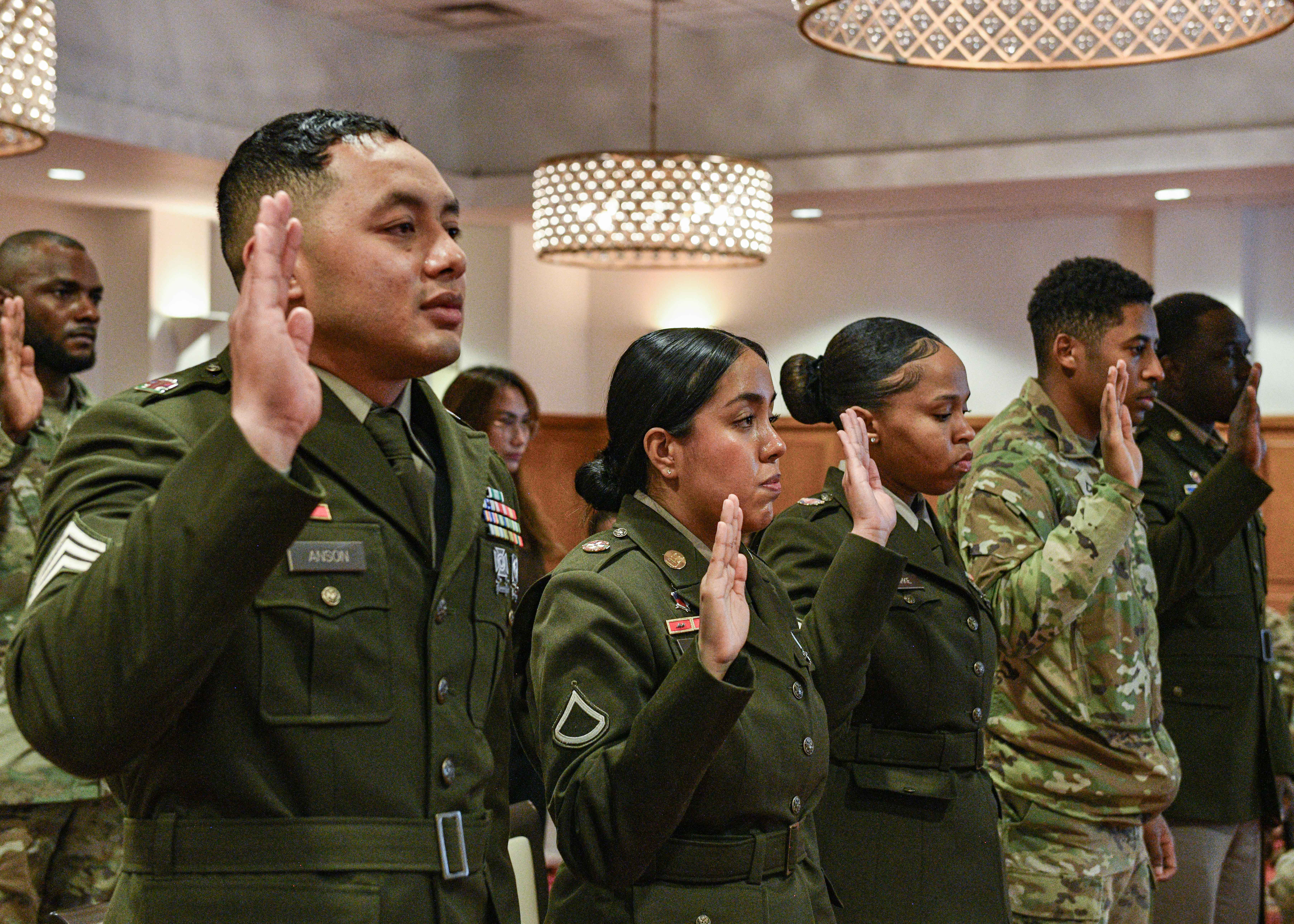
The photograph that travelled fastest through Kenyan WhatsApp groups this week was a simple one: a young woman in a United States Army uniform, her right hand raised, the moment she stopped being a guest in the country she already served. Mercy May Jerono, born in Kapkatet in Kericho County, had just taken the oath of citizenship. For the relatives watching from the tea-growing highlands seven time zones away, it was the end of a long story they had only half understood while it was happening.
Jerono enlisted in the US Army as a non-citizen, completed the training and the deployments the job demands, and only afterward stood in front of an officer of US Citizenship and Immigration Services to swear the oath that made her American. The images of her in uniform drew a wave of congratulation from Kenyans at home and across the diaspora, the kind of pride that attaches to one person but is quietly claimed by a whole community.
The Order Most Migrants Never Get To Reverse
What makes Jerono's path unusual is its sequence. For most Kenyans who build a life in the United States, citizenship is the final brick in a wall laid one slow layer at a time: a student or work visa, then a green card, then five years of permanent residence, then the civics test and the oath. The waiting is measured in years and, lately, in rising fees.
Jerono did it the other way around. She put on the uniform first and earned the passport second. That inversion is written into American law, and it is one of the few genuine shortcuts left in an immigration system that has been adding hurdles rather than removing them.
A Pathway Written Into Law
Federal law has long allowed certain non-citizens, chiefly lawful permanent residents, to enlist in the US Armed Forces, and it rewards that service with a faster route to naturalisation. Under the provisions governing naturalisation through military service, qualifying service members can apply without the usual multi-year residency requirement, and those who serve during designated periods of hostilities can apply for citizenship from their first day in uniform. Filing fees that weigh on civilian applicants are generally waived for those naturalising on the strength of their service.
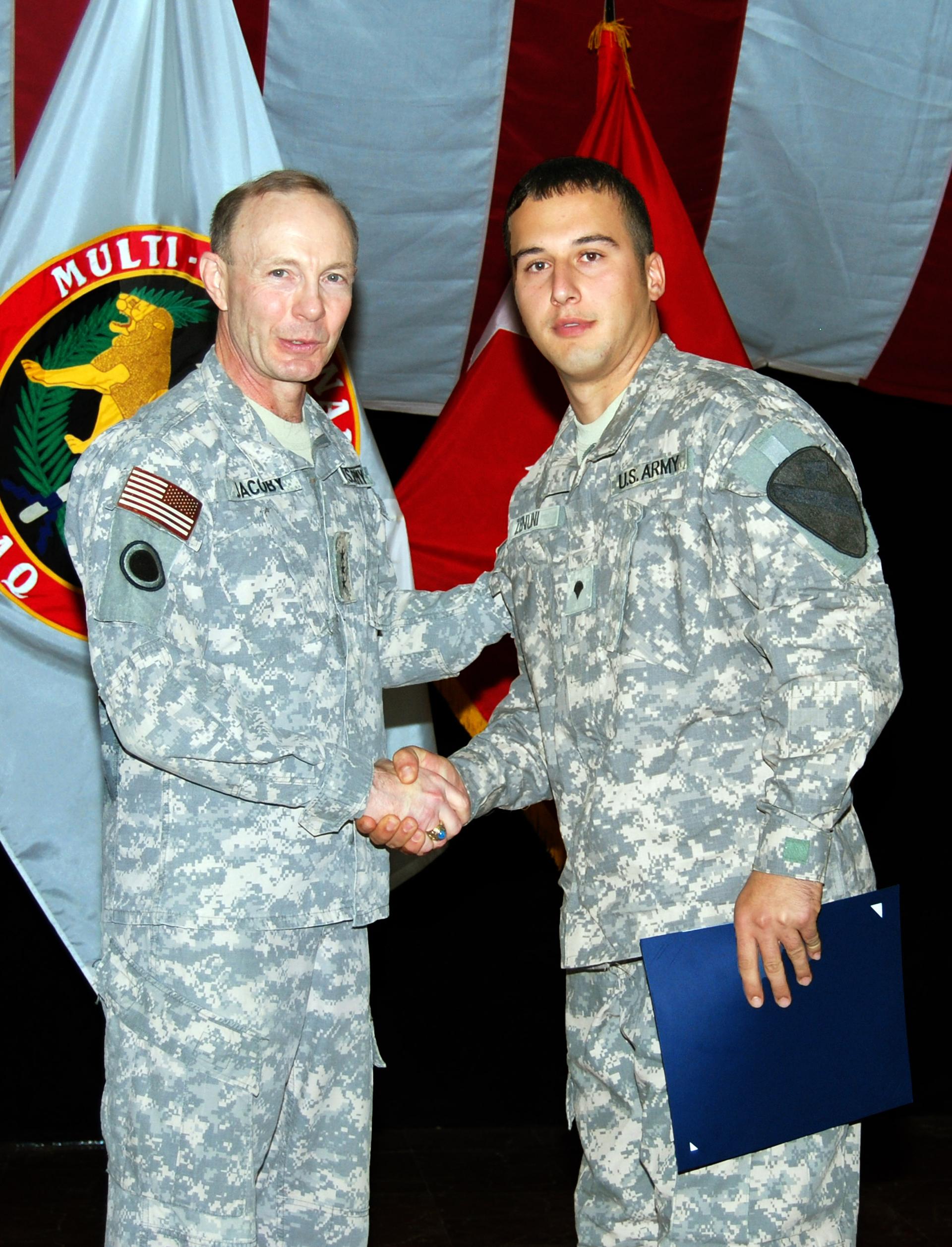
In practice this has made the military one of the most reliable immigrant-integration engines the United States operates. Tens of thousands of service members have naturalised over the past two decades, many of them at ceremonies held on bases and, as the photograph illustrating this article shows, even in war zones. For an ambitious young Kenyan with few other doors into America, a recruiting office can look like the shortest line.
The Catch Beneath the Ceremony
The pathway is real, but it is not as smooth as a single celebratory photo suggests. The route has narrowed in recent years. A programme that once allowed the military to recruit people with in-demand language and medical skills who were not yet permanent residents was effectively frozen amid security-vetting disputes, leaving some recruits in limbo for years.
There is a darker counter-current as well. Investigative reporting in the United States has documented cases of immigrants who served, were honourably discharged, and then, after a brush with the law or a paperwork failure, were deported from the country they had worn the uniform for. Citizenship through service is a promise the system keeps for many and, for a smaller number, has broken. That is the fine print behind Jerono's raised hand: the oath converts a conditional welcome into a permanent one, closing a vulnerability that service alone does not.
Why Kenyans Watch So Closely
For the Kenyan diaspora, stories like this land at a particular moment. The same week Jerono's photograph circulated, Kenyans abroad were also reading about a US Supreme Court decision allowing border officials to treat some returning green card holders as new arrivals, and about a proposed sharp increase in US citizenship fees. Against that backdrop, a clean, earned, fee-waived naturalisation reads almost as relief, a reminder that the system still has on-ramps as well as walls.
It also reframes a debate that recurs in Kenyan living rooms whenever a young person talks about joining a foreign army. Families weigh the danger of deployment against the prospect of stability, the fear of losing a child to a distant war against the promise of a passport that opens schools, jobs and the ability to sponsor relatives. Jerono's case does not settle that argument, but it gives one side a face.
One Soldier, A Familiar Pattern
Her achievement fits a broader pattern of Kenyans building careers in the United States across healthcare, technology, business and public service, and increasingly telling those stories openly. Mwakilishi, which first reported her naturalisation, noted that another Kenyan woman who recently became a US citizen after beginning her journey on a fiancé visa had urged others to stay persistent through the difficulties of the process.
That word, persistent, is the thread running through these accounts. The routes differ, a fiancé visa here, an enlistment contract there, but the temperament they reward is the same. Jerono's path simply makes the bargain unusually visible: years of service rendered before the country formally claimed her as its own.
For now, the celebration belongs to Kapkatet, where a daughter who left as a Kenyan civilian has come full circle as an American soldier-citizen. The uniform she earned her citizenship in will eventually be folded away. The status she swore to this week is meant to be permanent, and for the diaspora that watched her raise her hand, that permanence is the part of the story worth holding onto.