The Ten-Shilling Reprieve: How a Record Fuel Subsidy Back Home Eases the Burden on Kenya's Diaspora Senders
As Nairobi's pump prices fall and a record diesel subsidy kicks in, the families who depend on money wired from abroad get a rare moment of relief — and a new set of questions.
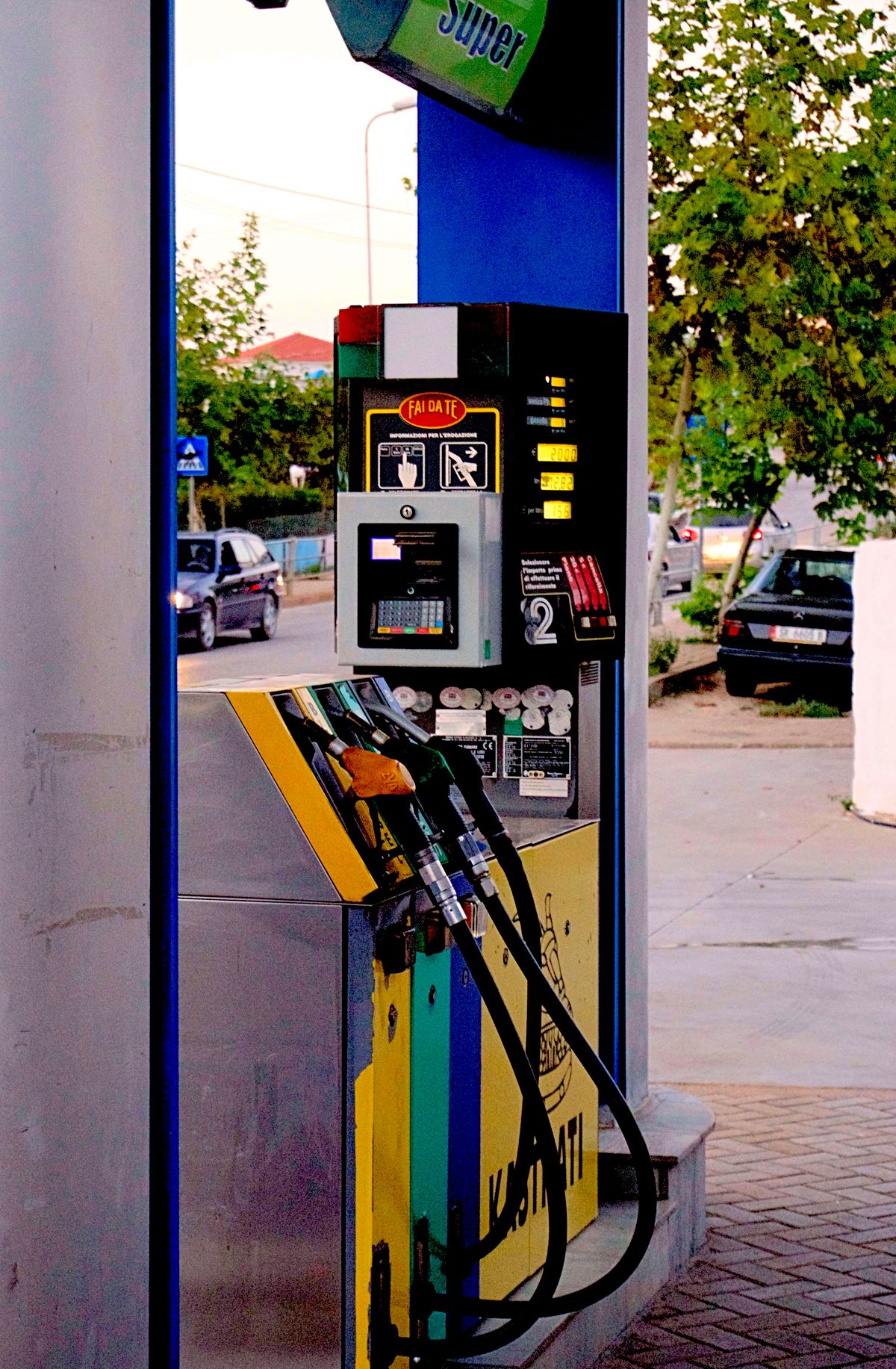
Just after midnight on Sunday, the price boards at petrol stations across Nairobi began to change. Diesel — the fuel that moves nearly everything in Kenya, from matatus and lorries to standby generators and the pumps on small farms — slipped by ten shillings a litre. In a country where the cost of a tank has become a barometer of the national mood, it was a small but closely watched shift.
Thousands of kilometres away, in cities like Manchester, Dallas and Dubai, the change registered too, if more quietly. For the Kenyans who wire money home each month, the pump price is not an abstraction. It sits behind almost every figure in the budgets they help cover: the fare a sibling pays to get to work, the cost of unga on a parent's table, the electricity bill in a family home in Kiambu. When fuel moves, those numbers move with it.
A Sunday Reprieve at the Pump
The Energy and Petroleum Regulatory Authority (EPRA) confirmed the new maximum retail prices for the June-to-July cycle over the weekend. In Nairobi, diesel now retails at about Sh222.85 a litre, down from the record levels reached last month. Super petrol fell only marginally, by 22 cents, to Sh214.03, while kerosene was left unchanged.
EPRA's acting director general, Joseph Oketch, said the maximum prices of super petrol and diesel had been reduced by Sh0.22 and Sh10 a litre respectively. The diesel cut, he indicated, was made possible by a subsidy that the authority described as among the largest it has applied.
The reduction delivers on a commitment President William Ruto made last month to bring diesel down by ten shillings — a pledge that had looked uncertain after changes to the fuel import pricing formula raised fears of higher, not lower, costs at the pump.
The Numbers Behind the Cut
What makes the reduction notable is that it runs against the direction of the global market. According to EPRA's own data, the average landed cost of diesel actually rose slightly between April and May, climbing about 0.21 percent to roughly US$1,294.71 per cubic metre. Petrol's landed cost fell modestly, by around 0.56 percent, to about US$901.16 per cubic metre.
In other words, the relief at the pump is not the product of cheaper oil. It is the product of intervention. Mwakilishi reported that the diesel reduction was supported by a subsidy of about Sh34.07 a litre. Several outlets, including Capital FM and Tuko, reported that the government would draw on the Petroleum Development Levy Fund — to the tune of roughly Sh10 billion — to cushion diesel and kerosene prices over the cycle.
That gap, between what fuel costs to bring into the country and what Kenyans pay for it, is the space the state has chosen to fill.
Why the Diaspora Watches the Pump
For Kenya's diaspora, the pump price and the remittance figure are two ends of the same rope. Money sent home from abroad is now the country's single largest source of foreign exchange, ahead of tourism and traditional exports, with the Central Bank of Kenya projecting full-year inflows of around US$5.1 billion for 2026.
Those dollars and pounds do not arrive in a vacuum. They land in households where transport, food and energy costs are shaped, directly or indirectly, by the price of diesel. When fuel rises, families back home often ask for a little more; when it falls, the same transfer stretches a little further. A ten-shilling cut will not transform anyone's circumstances, but for a sender already balancing rent in a foreign city against obligations at home, even a marginal easing of pressure is felt.
It is also why diaspora readers follow EPRA's monthly review as closely as any immigration headline. The authority's announcements, dry as they appear on the page, ripple outward into the calculations of people who left precisely so that they could keep sending something back.
The Cost of Cushioning
The relief, however, carries a question mark. Subsidies funded through the Petroleum Development Levy are, in effect, money collected from motorists and recycled to soften prices — a mechanism that works only as long as the fund holds and the political will remains.
Kenya has been here before. Fuel subsidies have repeatedly been introduced, scaled back and restored, often in step with public anger and the electoral calendar. Each round buys calm at the pump but defers a harder conversation about how long the state can keep absorbing the difference, particularly while it is also under pressure to rein in borrowing and meet its own revenue targets.
For now, the intervention has been framed as a response to immediate hardship rather than a permanent policy. How long it lasts, and what happens when global prices climb more steeply, remains unresolved — and it is exactly the kind of uncertainty that turns a routine price review into a story families discuss across time zones.
Fares, Inflation and the Next Test
The immediate test will play out on the roads. Diesel sits at the centre of Kenya's transport and manufacturing costs, which is why its price feeds so quickly into inflation. Consumer inflation reached 6.7 percent last month, edging toward the government's preferred ceiling of 7.5 percent, and policymakers have leaned on lower diesel costs to keep that figure in check.
Attention now turns to public transport operators, many of whom raised matatu fares last month when diesel hit record highs. That increase followed a two-day strike by operators who said rising costs had become unsustainable. With diesel now ten shillings cheaper, commuters — and the relatives abroad who sometimes top up their fares — will be watching to see whether those increases are reversed, or quietly retained.
What Comes Home Next
For the diaspora, the episode is a reminder that the connection to home is rarely just emotional. It is financial, and it is granular. A single line on an EPRA price sheet can change how far a monthly transfer goes, and whether a phone call from Nairobi carries a request or simply news.
The ten-shilling reprieve is real, and for households stretched by months of rising costs it will be welcome. But it is also provisional — a cushion held in place by public money, against a global market that has not actually eased. The next review, like the last, will be read on two continents at once.