The Suitcase That Just Got Bigger: How Kenya's New Duty-Free Limit Rewrites the Diaspora Homecoming
Nairobi has raised the duty-free allowance for returning travellers more than sixfold, from KSh 39,000 to KSh 260,000 — a quiet shift that changes what every Kenyan abroad packs for home.
There is a small, practiced anxiety that visits Kenyans abroad the night before they fly home. It happens at the kitchen table, suitcase open on the floor, as a laptop bought on a Black Friday discount, a phone still in its box, and a blender for a sister in Eldoret are weighed against an invisible line: how much can come through Nairobi without a customs officer reaching for a calculator. For years that line sat low enough that a single mid-range gadget could cross it. As of this week, the line has moved — and moved dramatically.
What Actually Changed
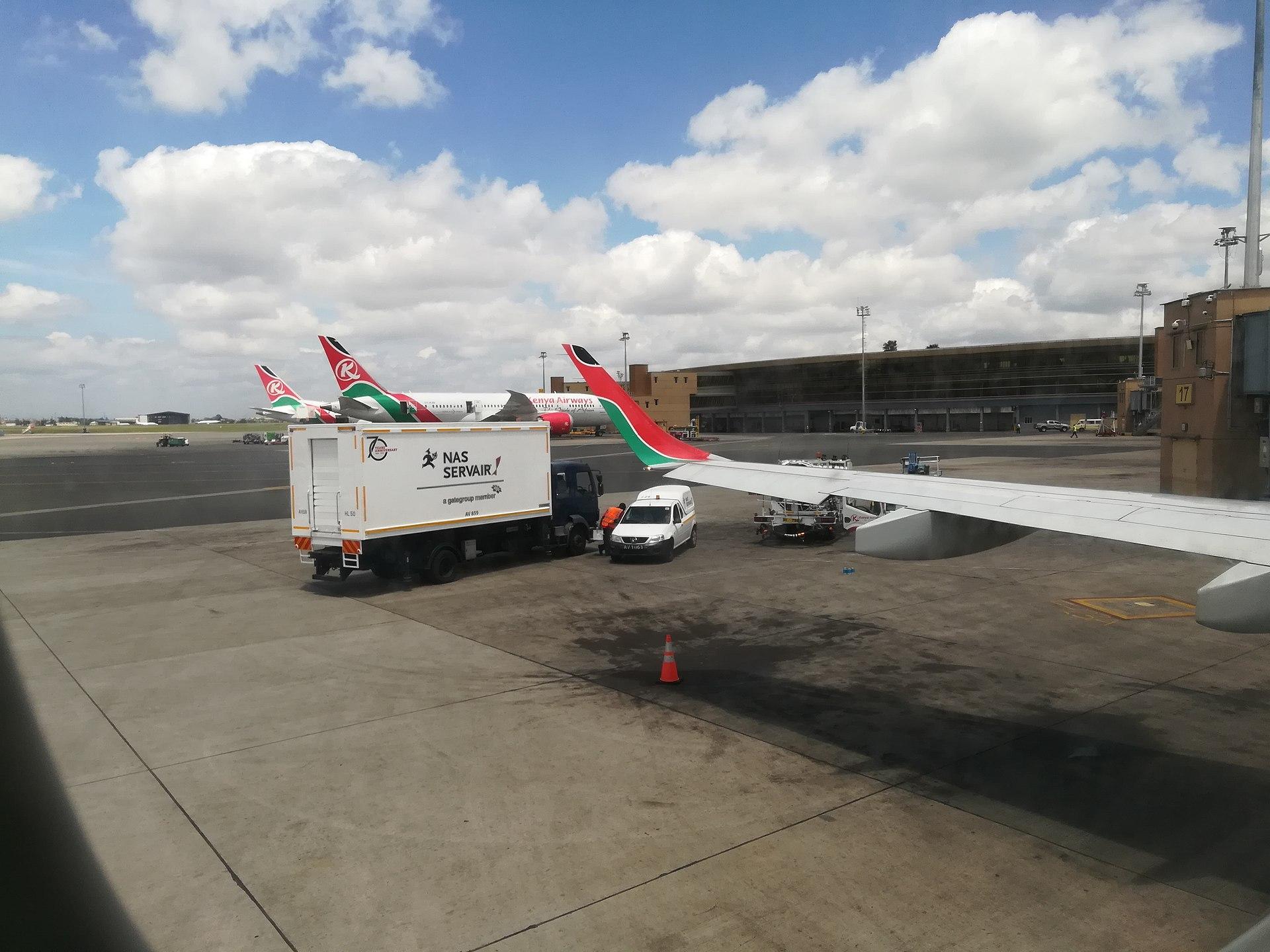
Kenya has raised the duty-free allowance for returning travellers from KSh 39,000 to KSh 260,000, a more than sixfold increase, following an announcement by President William Ruto. In plain terms, a passenger arriving at Jomo Kenyatta International Airport can now bring in personal goods worth up to a quarter of a million shillings before any customs duty is charged.
The old threshold had quietly become a relic. At KSh 39,000 — roughly the price of one decent smartphone — the allowance was easily exhausted by a traveller carrying a couple of everyday electronics. The new figure recognises a reality that customs paperwork had been slow to acknowledge: that the typical Kenyan flying home from London, Dubai, or Atlanta is not a smuggler but a worker bringing back the fruits of a foreign salary.
Why the Diaspora Feels It First
The change lands hardest, and most happily, on Kenyans living and working abroad. Many of them already shop with home in mind, taking advantage of markets where electronics, clothing, and household appliances are often cheaper than in Nairobi. The same laptop or television, routed through a Kenyan importer, tends to arrive carrying the weight of shipping, import duty, taxes, and distributor mark-ups by the time it reaches a shop shelf in the city.
For someone earning in dollars, pounds, or euros, the arithmetic is even starker. A salary paid in a stronger currency stretches further at an overseas checkout than the same value would after conversion into shillings. The higher allowance acknowledges that purchasing power directly, letting travellers bring more of it home in physical form rather than surrendering a slice to customs at the gate. A Kenyan might earn an income in London, buy a laptop in Dubai, connect through Doha, and finally switch the device on in Nairobi or Eldoret — a transaction spread across several countries whose benefit is ultimately realised at home.
The Returning Resident, in Fine Print
The new passenger allowance sits alongside a separate, longer-standing arrangement that the diaspora often confuses with it. The Kenya Revenue Authority has for years operated a returning-residents framework, under which Kenyans who have genuinely lived abroad and are changing their residence back home can import personal and household effects, and in defined circumstances a single previously owned vehicle, under relief from duty. That scheme comes with its own conditions on length of stay abroad, ownership, and proof of relocation, and it is aimed at people resettling rather than visiting.
This week's adjustment is the more democratic of the two. It does not ask whether you are moving home for good or simply coming for a cousin's wedding. It applies to the ordinary traveller and the gifts and gadgets in their luggage, which is precisely why it touches so many more people. For the nurse in Manchester home for three weeks, or the warehouse worker in Doha visiting for a funeral, the relief is immediate and requires no relocation paperwork at all.
The Retailers Left Watching
Not everyone reads the new ceiling as good news. Local retailers — particularly those selling consumer electronics — have reason to watch it warily. Every duty-free television carried through arrivals is, in a sense, a sale that did not happen in a Nairobi shop, and a higher allowance widens the gap between the landed cost of an imported gadget and the price on a domestic shelf.
The counter-argument, and the one the policy implicitly leans on, is that the diaspora's contribution to the economy was never confined to the till. Visiting Kenyans spend on accommodation, transport, entertainment, construction, and property, and those flows tend to dwarf the value of a suitcase of electronics. There is also a quieter economic logic at work: goods brought in this way enter the country without a commercial importer having to spend scarce foreign exchange to bring them, and many of them — a student's laptop, a trader's smartphone, a family's appliance — go on to support productivity once they are switched on.
A Homecoming Measured in Shillings
Policy shifts that affect the diaspora often arrive wrapped in the language of remittances and grand bilateral deals. This one is smaller and more intimate. It will not make headlines for long, and it changes no law about who may enter the country or on what terms. What it changes is the calculation at the kitchen table the night before the flight — the moment when the diaspora does its own, private cost-benefit analysis of love and logistics.
For a community that has spent years being counted mainly for the money it wires home, there is something fitting about a measure that values what it carries home instead. The allowance is still a number, and numbers can be revised again. But for now the line has moved, the suitcase has room, and the ritual at the kitchen table is a little less anxious than it was a week ago.