The Flag That Drove North: How Two Kenyan Women Carried Nairobi to London Across Sixty Countries
Becky Kim and Bonnie Koko spent 122 days and 45,470 kilometres reaching the Kenya High Commission in London. For a watching diaspora, the drive meant far more than mileage.
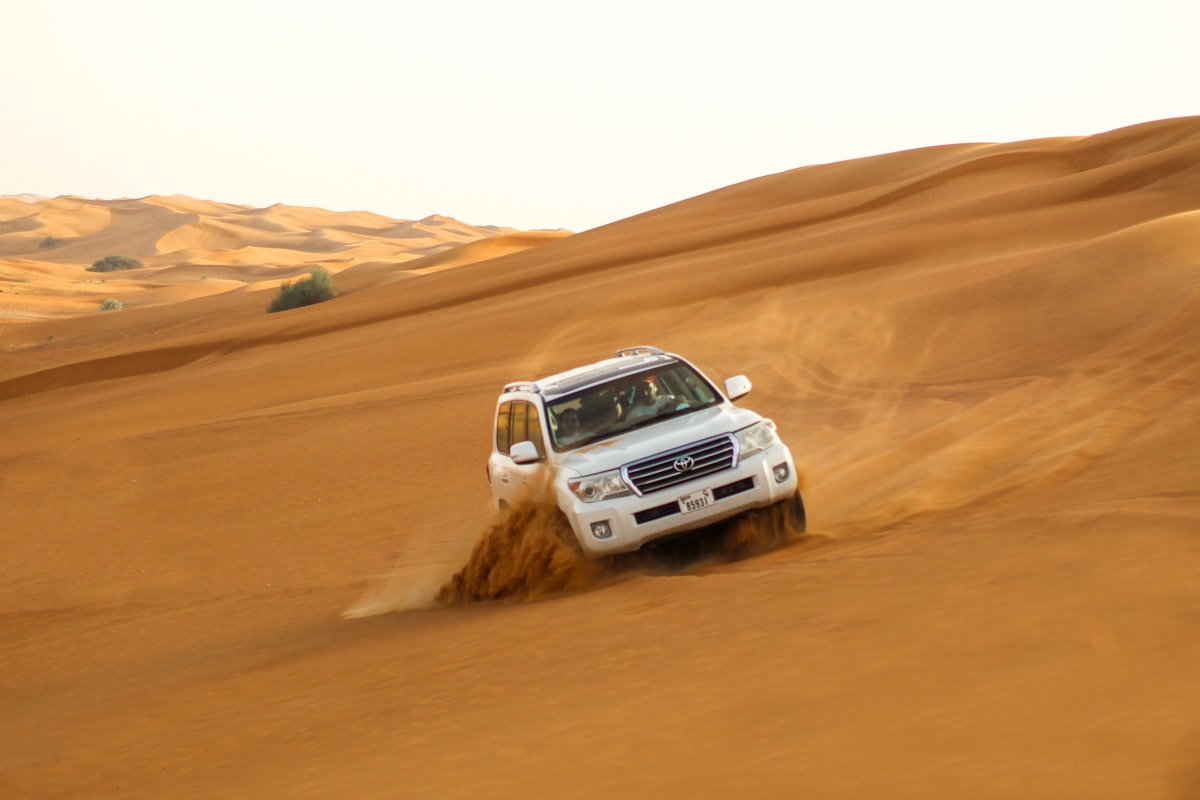
When the dust-streaked vehicle finally rolled to a stop outside the Kenya High Commission in London, the two women who climbed out of it had been on the road for the better part of a year. The four-wheel-drive still carried a Kenyan flag, faded now by the Sahara sun and stiffened by Arctic wind. They had left Nairobi in the warm middle of February. They arrived in the grey damp of a London June, 45,470 kilometres later, having pointed the same bonnet north through roughly sixty countries to get there.
For Becky Kim and Bonnie Koko, the moment on Portland Place was the quiet end of an enormous undertaking. For thousands of Kenyans scrolling their phones across Britain, North America and the Gulf, it was something else: a rare piece of diaspora news that asked nothing of immigration lawyers, carried no warning about visas, and simply felt good to share.
A journey measured in continents
The expedition began on 13 February 2026 and ended on 12 June, a span of 122 days. In that time the pair drove an INEOS Grenadier from the Kenyan capital across the width of Africa and the length of Europe, crossing terrain that ranged from the humid green of the Congo River basin to the open furnace of the Sahara, then on into the far north, beyond the Arctic Circle, where the roads narrow and the light never quite goes out in summer.
The headline figure, 45,470 kilometres, is hard to picture until it is set against something familiar. It is more than the circumference of the Earth at the equator. It is a distance most drivers would not cover in several years of daily commuting, compressed into four months of borders, checkpoints, fuel stops and weather that swung from desert heat to sub-zero cold. The route, by the travellers' own account, touched around sixty countries, an itinerary that demanded as much paperwork and patience as it did driving skill.
What makes the number resonate is not only its size but its direction. This was not a holiday loop that returned home. It was a deliberate line drawn from one capital to another, Nairobi to London, two cities bound by a long and complicated history, retraced this time by Kenyans travelling under their own flag and on their own terms.
Two women, one long wheel
Throughout the four months, Becky Kim was the lead driver, handling the vehicle across every kind of surface the continents could offer. Bonnie Koko served as co-driver and navigator, the one reading the maps, managing the crossings and keeping the team pointed in the right direction as the landscape and the languages changed week by week.
That detail matters. Long-distance overland expeditions remain a male-dominated corner of adventure travel, and the image of two Kenyan women sharing the driving and navigation for a journey of this scale lands differently for many who followed it. It quietly rewrites who gets to be the protagonist of an endurance story. Preparation, not bravado, is what such a trip rewards: months of route planning, vehicle servicing, visa applications and contingency thinking long before the first kilometre is driven.
Among those who praised the pair afterwards were fellow Kenyans who singled out exactly that discipline. Supporters including Joktan Kiprotich and Ndumba Wa Ndumba commended the two for their resilience and conduct on the road, while the travel community Fariji Global framed the expedition as evidence of the scale of Kenyan ambition. The applause, notably, leaned less on the spectacle than on the seriousness with which the journey was carried out.
Why the diaspora watched
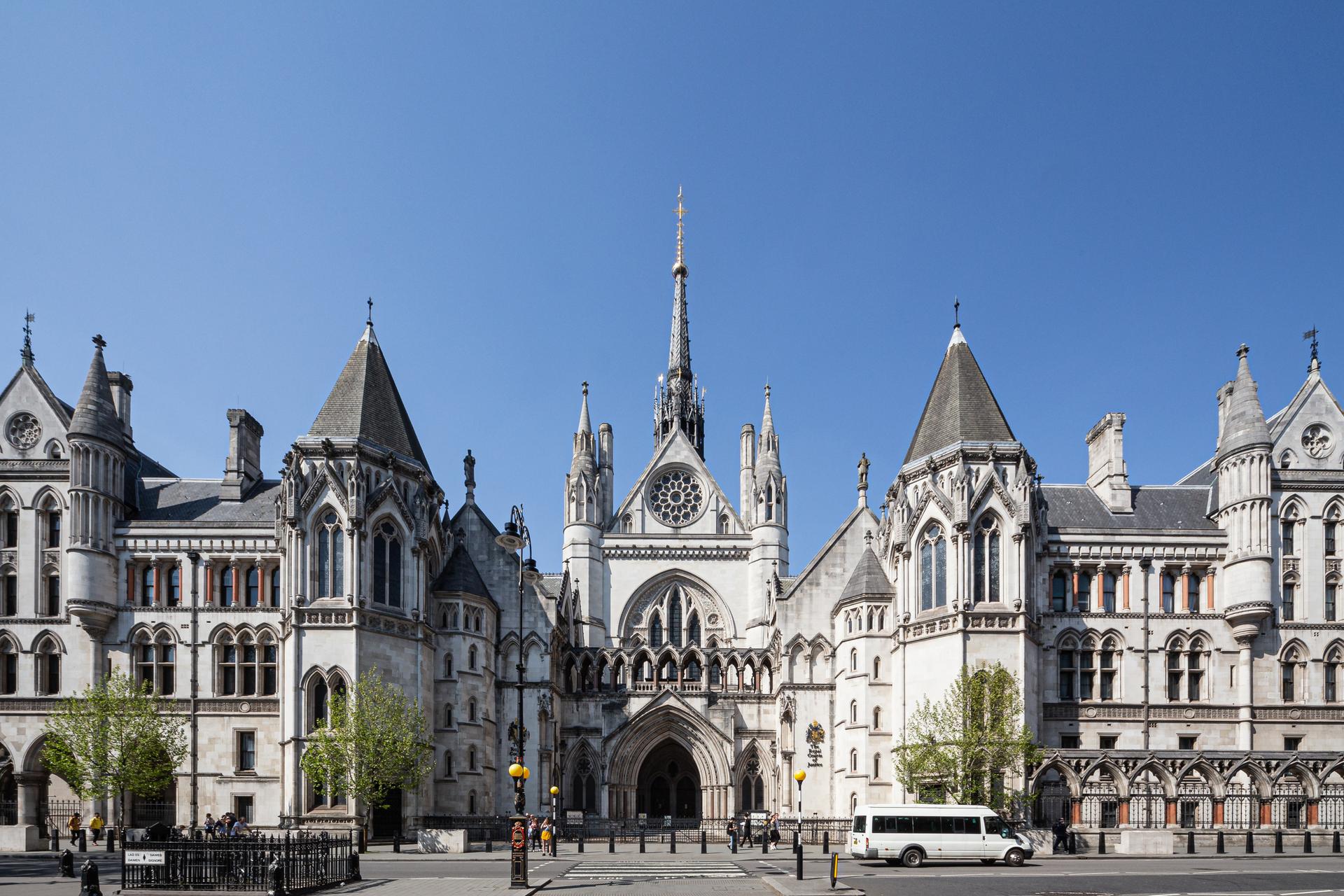
The arrival itself became a small diplomatic occasion. The pair were received at the Kenya High Commission, where the outgoing Deputy High Commissioner, Dr Joseph Warui, welcomed them and posed for photographs beside the travel-worn vehicle. Kenya's High Commissioner to the United Kingdom, Ambassador Maurice Makoloo, later met the travellers in recognition of what they had done. Dr Warui described the expedition as a continental journey that reflected determination and commitment, and said it showed Kenyans could represent their country with pride while pursuing ambitious goals across international borders.
For the diaspora, the symbolism was not lost. Much of the news that reaches Kenyans abroad in recent months has been heavy: tightening visa rules, deportation debates in Europe, anxieties over green cards and the steady cost of sending money home. A flag arriving in London after sixty countries offered a different register entirely. It was a reminder that the relationship between Kenya and its scattered citizens is not only about who is allowed in and who is asked to leave, but also about what Kenyans choose to attempt and finish.
That the welcome happened at the High Commission rather than at a finish-line festival gave it added weight. Diaspora missions are usually in the news for consular queues, lost passports and emergency repatriations. Here, the same building became the backdrop for a celebration, a place where the journey was formally acknowledged as something the whole country could claim.
A road culture finding its gear
The expedition lands amid a visible rise in long-distance road adventures among Kenyan travellers, a trend that increasingly runs in both directions between East Africa and Europe. Earlier this year, Elly Kimutai Keter announced plans to drive from London to Eldoret, a route that drew considerable attention online and points to a growing appetite for overland journeys that link the diaspora's two worlds by road rather than by air.
These trips work as a kind of soft diplomacy that no ministry could script. A vehicle bearing a national flag through dozens of countries is a moving advertisement for a place, and the conversations it starts at fuel stations and border posts reach people that official campaigns never touch. For young Kenyans in particular, both at home and abroad, seeing peers undertake something this audacious reframes what feels possible. The barrier to such a journey is rarely talent; it is planning, funding and nerve, and each completed expedition lowers the bar of imagination for the next.
What the flag carried home
There is a temptation to read too much into a single road trip, and Kim and Koko have been careful not to oversell it; their achievement has simply been recognised as a notable milestone in Kenyan adventure travel. But the timing gives it resonance. In a season when so much diaspora conversation is defensive, focused on what might be taken away, two Kenyans drove a flag from one capital to another and were met at the door by their own country's representatives.
The Grenadier will be cleaned, the dust of the Sahara washed off, the photographs filed away. What lingers is the line the journey drew on the map and in the mind: that the distance between Nairobi and London, so often measured in visa appointments and airfares, can also be measured in kilometres a Kenyan chose to drive. For a diaspora used to reading the news with a knot in the stomach, that was a story worth following all the way to the end of the road.