The Summons That Crossed an Ocean: How a Naivasha Court Reached for a Kenyan Couple in America
For nearly two years a couple settled in the United States stayed beyond the reach of a Kenyan courtroom. This week a magistrate decided distance was no longer a defence.
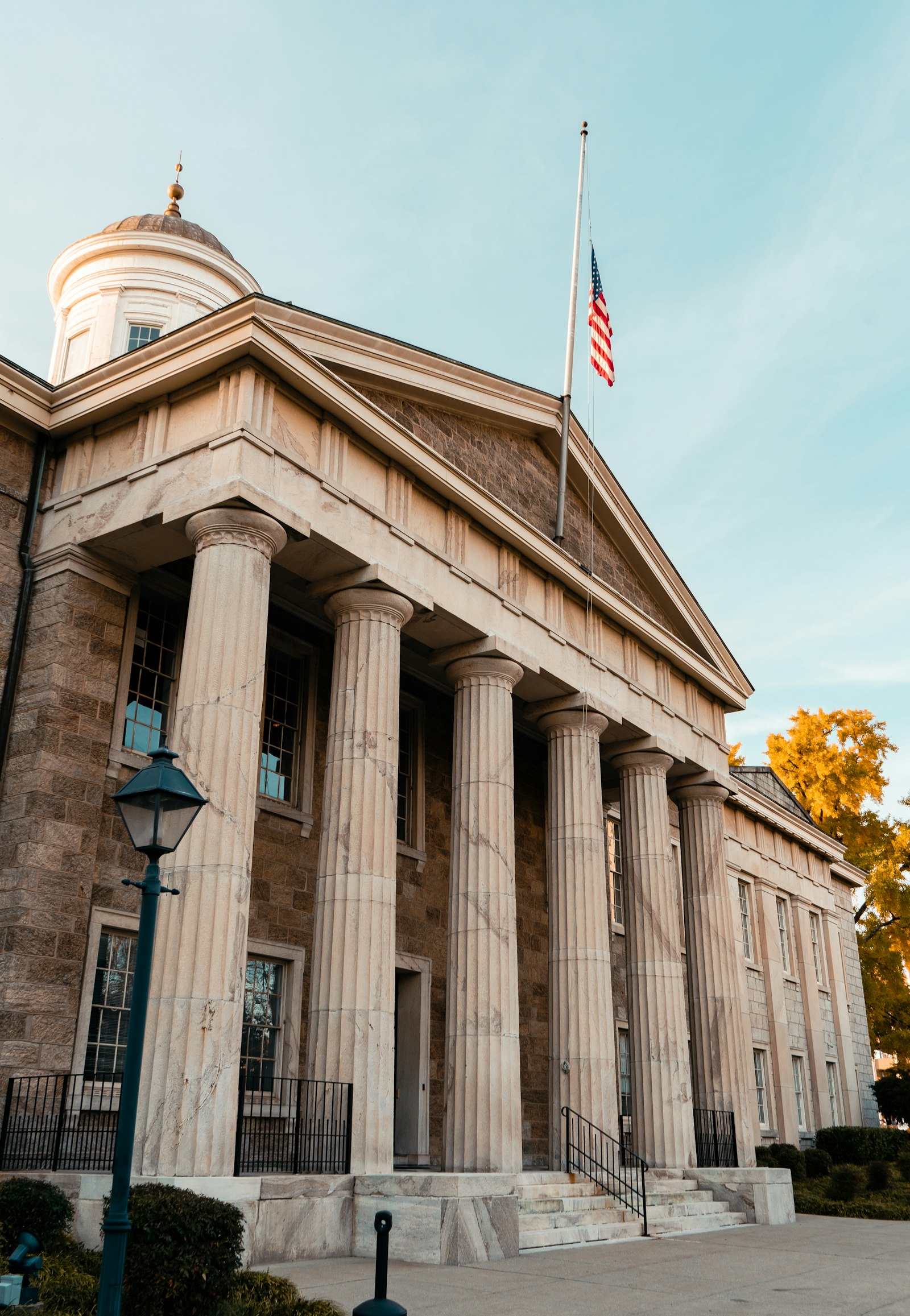
In a small courtroom in Naivasha this week, two chairs sat empty where they have sat empty for almost two years. The people meant to fill them were not late, and they were not unwell. They were roughly eight thousand miles away, on the other side of the Atlantic, in the United States — and on Wednesday a Kenyan magistrate decided that the ocean between the court and the accused would no longer be treated as a shield.
Chief Magistrate Abdulqadir Ramathan issued warrants of arrest for a Kenyan couple living in America and authorised prosecutors to begin the long, uncertain work of extraditing them home. The pair are accused, alongside a 73-year-old co-defendant, in what the Office of the Director of Public Prosecutions describes as a murder-for-hire plot against five members of the same family. For the diaspora, it is a quiet but pointed reminder that a passport stamped at a foreign airport does not close a file in a Kenyan registry.
The chairs that were never filled
The case has been crawling through the system since 2024. According to the prosecution, the couple were summoned again and again, and again and again they did not come. Their lawyers, the magistrate noted, had repeatedly assured the court that the two would present themselves. Those assurances kept dissolving as each hearing date arrived and passed.
"The court gave the couple every opportunity to present themselves but they failed, and I agree with the prosecution that this court should take decisive action and issue a warrant of arrest," Magistrate Ramathan said, according to reporting by The Standard and Mwakilishi.
The defence made one last attempt to slow things down, asking for a 45-day stay of the arrest warrants. The court refused, advising that any challenge belonged before the High Court rather than in a holding pattern in Naivasha. With that, the magistrate cleared the ODPP to approach United States authorities and start extradition proceedings — a step that moves the matter out of a county courtroom and into the slower machinery of cross-border law.
A family, a parcel of land, and a price
What gives the case its grim weight is the allegation at its centre. Prosecutors say the plot grew out of a family dispute tied to a parcel of land in Molo town, the kind of inheritance quarrel that is depressingly ordinary in Kenya until it is not.
Investigators allege that in March 2024 two of the accused met suspected hitmen at a hotel in Nakuru to arrange the killings. A fee said to be in the region of 3.1 million shillings was agreed, the prosecution claims, and money was later raised and handed over. The charges span several dates between March and May of that year and concern an alleged conspiracy to murder five relatives connected to the elderly co-accused.
The 73-year-old has already appeared in court and faces five counts of conspiracy to murder. The couple now wanted on warrants are named in Kenyan court filings, reported by The Standard, as relatives drawn into the same indictment. Because the accounts carried by different outlets vary on the precise relationships between the parties, the safest summary is the one all of them share: a single family, a contested piece of land, and an allegation that someone tried to settle it with hired violence.
When a border is not a wall
The decision to pursue extradition is where this story stops being a county crime brief and starts being a diaspora story. Leaving the country is one of the oldest ways to slip a charge, and for a long time it worked well enough that "fled to the US" became a familiar coda in Kenyan court reporting. Naivasha itself has seen it before; local reporters have written about suspects who beat the court calendar and boarded a plane.
Extradition is meant to close that escape hatch, but it is neither fast nor automatic. It runs through diplomatic channels, mutual legal-assistance requests and the courts of the country where the wanted person now lives. American judges will want to see evidence, not just allegations, and the process can stretch across years. The fact that a magistrate has authorised it is the beginning of a negotiation, not the end of a chase.
Still, the direction of travel matters. Cooperation between Kenyan and American law-enforcement agencies has grown, and people have been returned across that corridor in both directions — fugitives sent back to face American courts, and the prospect, now, of Kenyans summoned home from American suburbs. The wall that many assume exists at the water's edge is more like a gate: heavy, slow to open, but not locked.
What it says to the diaspora
Most Kenyans abroad will read this case the way they read any crime story — with a shiver of distance, grateful it has nothing to do with them. But the principle underneath it touches the whole community. The diaspora's relationship with home is built on the idea that the connection runs both ways: remittances flow back, votes are fought over, embassies are lobbied, and identity is carried carefully across decades. This case is the less comfortable face of that same two-way bond. Obligations, including legal ones, do not evaporate at immigration.
It also lands at a moment when the diaspora is asking hard questions about how visible it is to its own government — heard when money is being counted, it often complains, and ignored when help is needed. The Naivasha ruling is a curious inversion of that anxiety. Here the state is reaching across the ocean not to serve the diaspora but to summon two of its members back to answer for what a courtroom at home alleges they did before they left.
For now, the couple remain in the United States, the warrants are live, and the file that has stayed open since 2024 stays open still. Whether extradition succeeds may take years to learn. What the week established is narrower and, for anyone watching from abroad, worth noting: a Kenyan court has decided that an address in America is not, by itself, an answer.