The Stamp That Costs Five Times More: How Japan's Visa Hike Lands on Kenyan Travellers
From July 1, Japan's visa fees jump fivefold — the first rise in 48 years. For Kenyans, who must apply before they fly, a single trip just got far pricier.
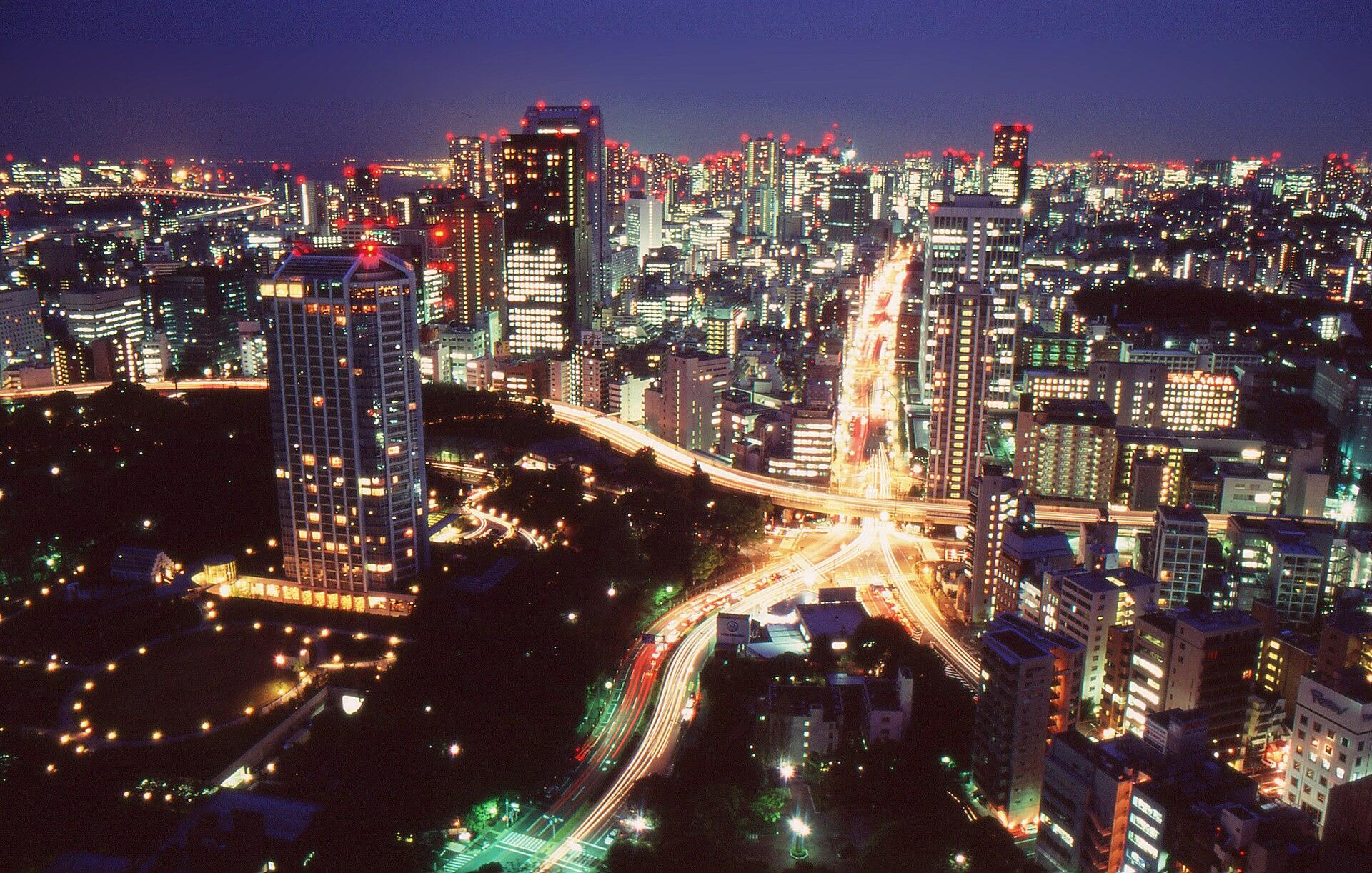
For a Kenyan saving toward a first trip to Tokyo — a graduate accepted onto a Japanese university programme, an engineer invited to a robotics conference in Osaka, a mother flying out to meet a daughter who moved to Yokohama for work — the journey has always begun the same way: with a folder of documents carried to the Japanese embassy in Nairobi, and a modest fee handed across the counter. For nearly half a century, that fee barely registered against the cost of the flight. From July 1, 2026, it will register a great deal more.
Japan has approved a fivefold increase in its entry visa fees, the first revision since 1978. The change was set by the Cabinet of Japan and takes effect almost immediately, and while it is being framed in Tokyo as a long-overdue adjustment for inflation, its weight will fall unevenly across the world. Travellers from wealthy, visa-exempt countries will scarcely notice. Kenyans, who must obtain a visa before they fly, will pay the new price in full.
A Fee Frozen Since 1978
The number that explains this story is not the new fee but the old one. Japan last set its visa charges in 1978 — a year when the yen, the global economy and Japan's place in it looked nothing like they do today. For 48 years the price stayed put, even as airfares, hotel rates and the cost of living climbed many times over.
Foreign Minister Toshimitsu Motegi justified the revision as a move to reflect, in his words, "inflation and current exchange rates." Put plainly, Tokyo argues the fee had simply fallen out of step with reality. The Ministry of Foreign Affairs confirmed that the Cabinet Order on Fees Collected by Consular Officers, which sets visa charges, had been amended to come into force on July 1. Applications accepted at Japanese diplomatic missions on or after that date fall under the new schedule.
What Changes on July 1
The arithmetic is steep. A single-entry visa rises to roughly 15,000 yen, and a multiple-entry visa to roughly 30,000 yen — a jump of about five times the previous levels of 3,000 and 6,000 yen respectively. The ministry has said that, as a general rule, payment will be made in the local currency of the country where the issuing embassy or consulate-general is located, converted from the yen figure.
For applicants going through the embassy in Nairobi, that translates to a single-entry visa costing in the region of KSh 12,000, against roughly KSh 2,400 before, and a multiple-entry visa landing near KSh 24,000. It is worth being precise about scope: these are entry visa fees. They are separate from the periodic status-of-residence renewals that foreign nationals already living in Japan must file — though officials have signalled that those charges may rise too in the near future.
Who Pays — and Who Walks Through Free
The hike does not touch everyone equally, and that is the part Kenyan travellers should understand most clearly. Citizens of a long list of countries — the United States, Canada, the United Kingdom, Australia, New Zealand, the member states of the European Union, South Korea and Singapore among them — enjoy a 90-day visa exemption for tourist visits. For a holiday, they breeze through without applying or paying at all, and the fee increase passes them by entirely.
Kenya is not on that list. Nor is most of Africa, much of the Middle East, Russia, or, notably, China. For nationals of these countries, a visa is mandatory before departure, which means the new fee is unavoidable. The result is a quiet asymmetry: a tourist from London pays nothing to spend two weeks in Kyoto, while a tourist from Nairobi must now pay several times more than before for the same trip. Even citizens of visa-exempt countries are not entirely off the hook — anyone arriving for non-tourist reasons, such as long-term study or work, still needs a visa and will pay the higher rate.
The Math for a Kenyan Family
Numbers on a ministry circular feel abstract until they meet a household budget. Consider a family sending a student to a one-year programme in Japan. The visa is only the entry point, layered on top of tuition, airfare, accommodation deposits and proof-of-funds requirements that already stretch many families to their limit. An extra KSh 9,000 or so on a single document will not, by itself, sink a plan. But it lands at a moment when Kenyans abroad and at home are absorbing a steady drumbeat of rising costs — and small increases, stacked together, change behaviour.
For business travellers who fly in and out repeatedly, the multiple-entry visa near KSh 24,000 is the figure that bites. For a young professional weighing a conference invitation against the cost of attending, the calculation is now a little less favourable. None of this amounts to a closed door. It amounts to a higher step at the threshold — and steps, when they rise everywhere at once, are how access slowly narrows for those with the least cushion.
A Pattern Kenyans Abroad Know Too Well
Japan's decision does not exist in isolation. It arrives in a season when Kenyans watching the world's borders have grown used to the language of fees, caps and tightening rules. In the same week, the news cycle carried a US court fight over a six-figure H-1B work-visa charge, debate over higher American citizenship fees, and a rise in Australia's student visa cost to among the highest of any major study destination. Each is a separate policy in a separate capital, but together they sketch a familiar pattern for the diaspora: the price of moving across borders is climbing, and the countries that most often require Kenyans to pay upfront are the ones raising the bar.
There is also a revealing rationale beneath Japan's move. The country's foreign-resident population reached a record 4.13 million at the end of 2025, and Tokyo says the additional revenue will help fund the administration of that growing community. Japan, in other words, is leaning on newcomers to pay for the systems that process newcomers — a logic increasingly common among ageing, labour-hungry economies that need migration even as they make it costlier to arrive.
What Travellers Can Do Before the Deadline
The single most useful fact in this story is the date. Because the new fees apply to applications accepted on or after July 1, anyone with firm, near-term plans to visit Japan may benefit from lodging a complete application before the cutoff, while the old schedule still holds. That is a narrow window, and it rewards only those who are already document-ready, but for a student or professional with a confirmed reason to travel, it is real money.
Beyond timing, the advice is unglamorous but sound: confirm exactly which visa category fits the purpose of travel, since the gap between single- and multiple-entry fees is now substantial; budget for the higher figure rather than the old one; and keep an eye on the separate question of residence-renewal charges, which Tokyo has hinted could be next. For the Kenyan diaspora, long practised at reading the fine print of other countries' borders, Japan's revision is one more reminder that the cost of belonging somewhere else is rarely fixed — and almost never falls.