The Whistle He Won't Blow: How a Somali Referee's Denied Entry Exposed the Limits of an African's US Visa
FIFA cleared Omar Artan to officiate the World Cup. A valid visa carried him to Miami. It did not carry him through the door.
A Flight to Miami, and a Flight Back
Omar Abdulkadir Artan had made the journey that should have been the proudest of his career. He flew into Miami International Airport on a flight from Istanbul, carrying the credentials of a FIFA match official and, by his own account and that of the bodies that selected him, a valid visa to enter the country hosting football's largest tournament. He was one of the referees contracted to work the 2026 World Cup, the global showpiece co-hosted across North America. Within hours of landing, he was directed back through the terminal and onto a return flight to Istanbul.
Artan never reached a hotel, never reported to a training session, never stepped onto an American pitch. United States Customs and Border Protection later confirmed that a Somali national who had travelled to officiate at the World Cup arrived at Miami International and, following inspection, was determined to be inadmissible and denied entry, citing what the agency described as vetting concerns. Somalia sits on the United States travel ban list. The referee had reportedly travelled on a diplomatic passport arranged through the Somali embassy. None of it changed the outcome at the border.
The First Somali at Football's Biggest Table
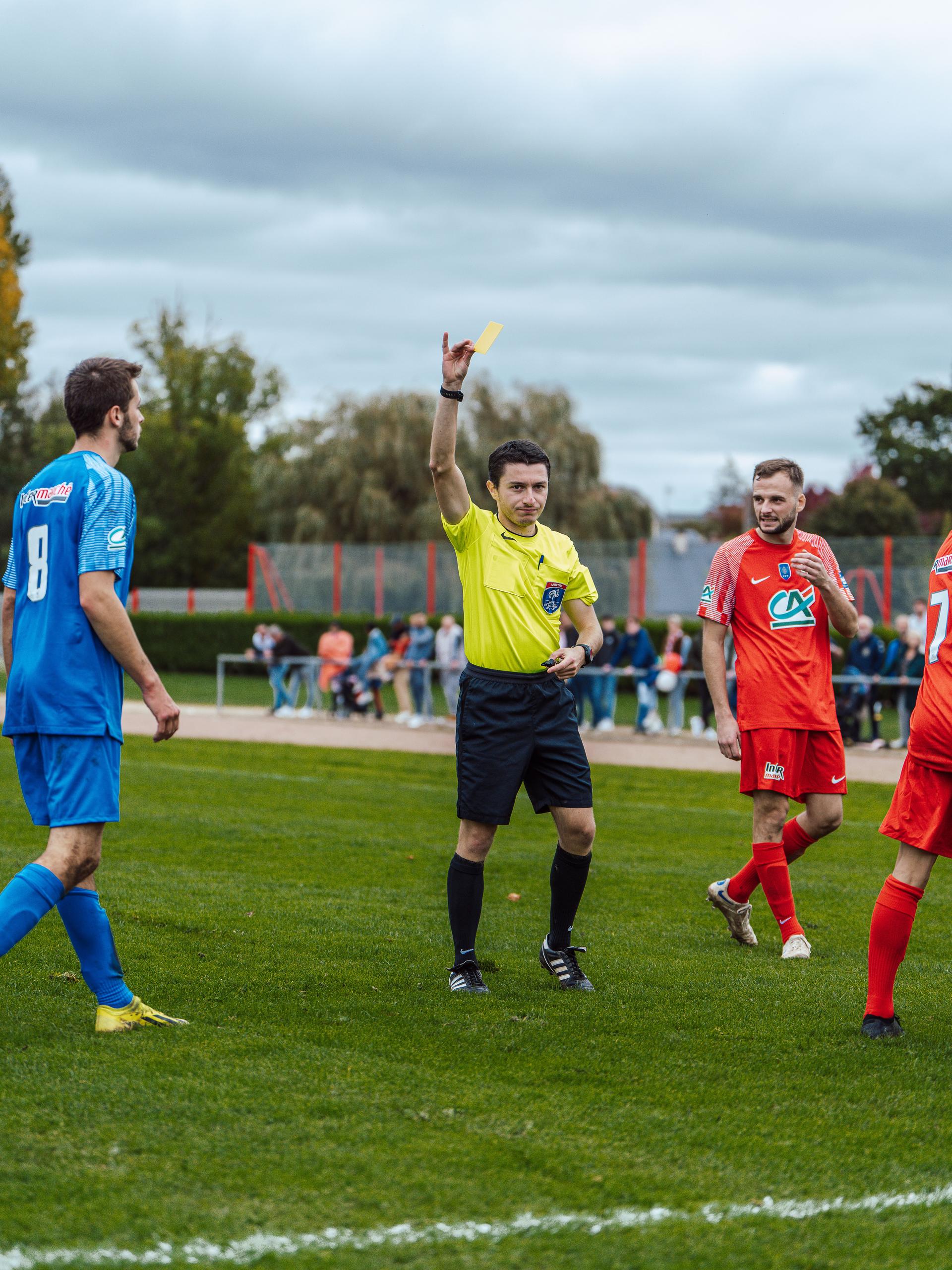
The man turned back at Miami was not an obscure name in African officiating. Artan joined FIFA's international list of referees in 2018 and built his reputation match by match across the continent's club and international fixtures. In January 2024 he became the first Somali referee to take charge of a game at the Africa Cup of Nations, handling a group-stage meeting between Tunisia and Namibia. The milestones kept coming. In 2025 he was named CAF Men's Referee of the Year, and he represented Africa at the FIFA Under-20 World Cup in Chile.
His selection to officiate at the 2026 World Cup was a first for his country, a line in the record books that would have read: Somalia, represented not by a team but by a man trusted to enforce the laws of the game on its biggest stage. For a nation more often defined in international headlines by conflict and hardship, the appointment was a rare and uncomplicated source of pride. That is the achievement that stopped at a passport control desk.
A Ban That Reached the Officials' Tunnel
What happened to Artan is, at one level, a story about a single traveller. At another, it is about how broadly a border policy can reach. The United States travel restrictions affecting a list of countries, Somalia among them, were designed and defended as security measures. Artan's case showed that the measures do not pause for accreditation. A FIFA contract, a CAF endorsement and a visa in the passport were not enough to override the determination made at the gate.
FIFA, for its part, confirmed the denial without challenging the authority behind it. The governing body said its match official would be unable to train or officiate at the World Cup after being refused entry, and it stressed that immigration processes, including visa approvals, rest with the host country's authorities. "It is ultimately the host government that decides who is granted a visa and admitted into the country," the body said, framing the matter as a sovereign one. The careful language underlined an uncomfortable reality for a tournament that markets itself as a borderless celebration: the borders are still there, and they answer to governments, not to football.
What an Accredited 'No' Says to Everyone Else
For the wider African diaspora, and for the many East Africans who watch US immigration decisions the way others watch the weather, the Artan case carried a chill that travelled well beyond one referee. If a credentialed official, vetted by FIFA and carrying a valid visa, can be stopped and sent home on the grounds of vetting concerns, the implication for ordinary travellers is hard to miss. Students with admission letters, workers with job offers, parents flying to see children graduate, and fans who saved for years to attend the World Cup are all left to wonder whether the document in their hand guarantees anything at the door.
That anxiety is not abstract for Kenyan and Somali communities, who maintain some of the most active travel and family links between East Africa and North America. A visa has always been understood as permission requested, not permission guaranteed; entry is decided on arrival. But the distance between those two ideas usually stays theoretical. Artan's turn-back made it concrete and public, attached to a recognisable face and a sympathetic story. It is the kind of episode that gets shared on diaspora WhatsApp groups within minutes, not as sports news but as a cautionary tale about how thin the paper protections can be.
A Composed Exit, and an Open Question
If the system was unyielding, the man caught in it was not bitter. In a public message after the decision, Artan struck a tone of grace that surprised even those who expected anger. "Despite the circumstances, I am in a positive mood and I am focused on the next challenges in my refereeing career," he wrote, thanking FIFA and CAF for their solidarity and the football public for its messages of support. He sent goodwill to the colleagues who would officiate without him and signalled that he intended to be back for future competitions.
The episode did not pass without protest. The denial drew criticism from prominent voices, including former US Secretary of State Hillary Clinton, who argued that global sporting events are meant to widen international exchange rather than narrow it. Their objections will not put Artan on a World Cup pitch this year. The tournament will proceed, the matches he was assigned will be handed to other officials, and his name will be remembered less for a game he refereed than for a border he could not cross.
For the diaspora that follows these things closely, the lasting image is simple and stark: a man who reached the top of his profession, holding the right papers, standing in an American airport and being told it was not enough. The World Cup will crown a champion in a matter of weeks. Omar Artan has already learned what the trophy of a valid visa is worth when the host country decides otherwise.