The Scholarship That Runs Both Ways: How America's Kenyan College Stars Are Booking Tickets to Glasgow
When Kenya named its squad for the Glasgow Commonwealth Games, the trials in Nairobi drew a new kind of contender — student-athletes flown in from American campuses.
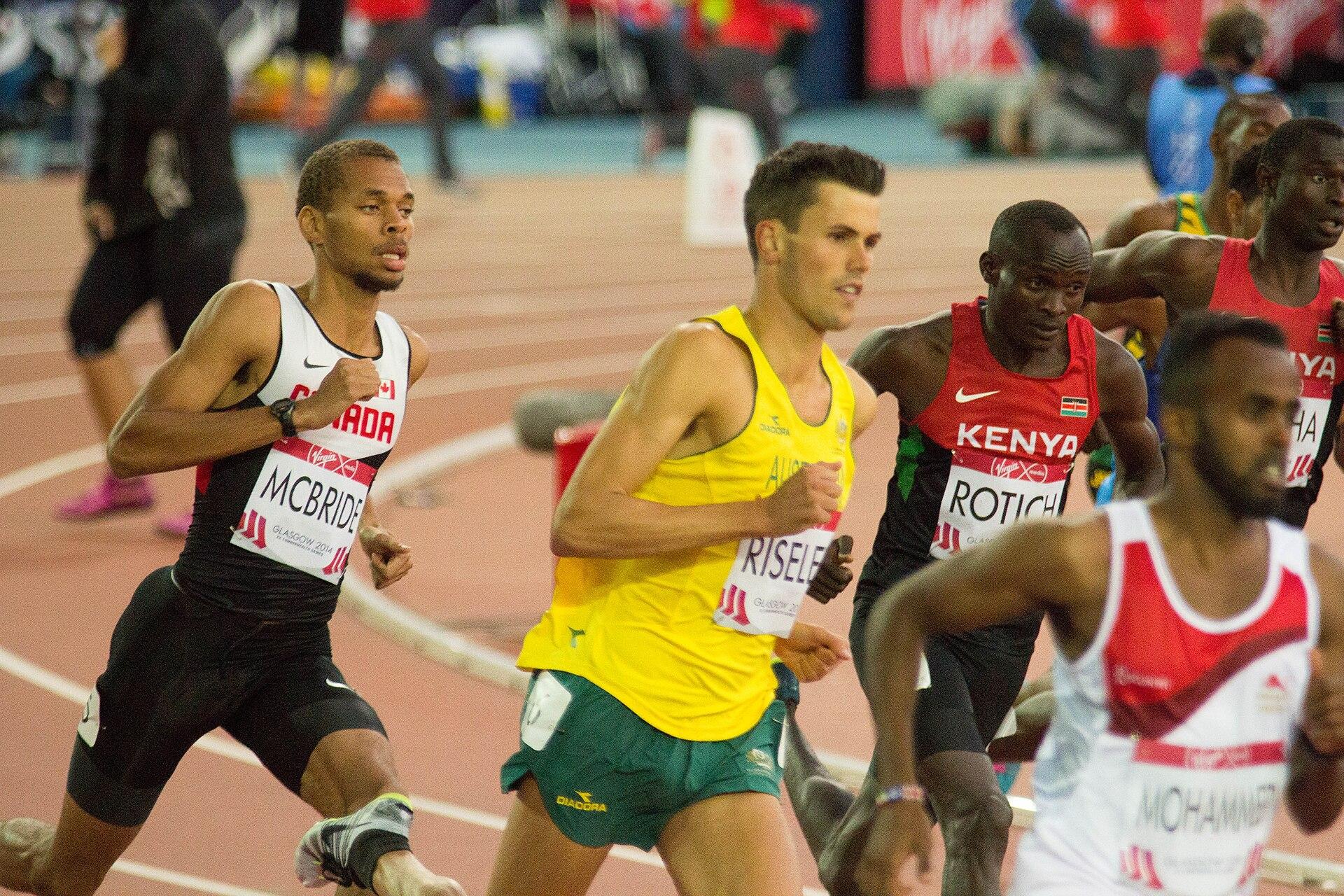
The stands at Hayward Field in Eugene, Oregon, had mostly emptied by the time the distance races were done, but the Kenyan names lingered on the results sheet. Across four days in the middle of June, more than fifty student-athletes who had left towns like Iten, Eldoret and Kapsabet for scholarships at American universities lined up at the NCAA Division I Outdoor Track and Field Championships. When the meet closed on June 13, four of them had walked away with national collegiate titles — among them Mercyline Kirwa of Iowa State in the women's 10,000 metres and Marion Jepngetich of the University of New Mexico in the 5,000m. It was a proud haul, even if it fell short of the six titles Kenyan collegians had claimed a year earlier.
For some of those runners, Eugene was not the end of the season. It was a staging post. Several thousand miles away, in Nairobi and soon in Glasgow, a second story was taking shape — one about who gets to wear the national vest, and where in the world they happen to live.
A squad chosen in Nairobi, with eyes on Scotland
In the third week of June, Athletics Kenya gathered the country's best at Nyayo National Stadium for three days of trials. More than 800 athletes turned up, drawn from the twelve regional federations, the Kenya Defence Forces, the National Police Service, the Prisons Service and the training institutions that have long supplied the national team. Out of that crush, selectors named a contingent of roughly fifty athletes for the 2026 Commonwealth Games in Glasgow, which run from July 23 to August 2.
The headline names were familiar. Ferdinand Omanyala, Africa's fastest man, will lead the sprinters. The 800m runner Lilian Odira and former 1,500m world champion Timothy Cheruiyot anchor the middle distances. But alongside the soldiers, police officers and club runners on the team sheet was another, newer constituency that selectors increasingly treat as a stream of its own: athletes who train and study abroad and fly home to make the team.
The collegiate pipeline that crosses an ocean
For two decades, American universities have looked to the Rift Valley to stock their cross-country and track programmes. The arrangement is simple and, for the runners, transformative: a strong time trial in Kenya can become a scholarship in Arizona, Oregon, New Mexico or Iowa, and a path into a system with money, coaching and competition that Kenyan athletics has struggled to match at home.
The result is a generation of Kenyan runners whose competitive calendar straddles two continents. They race the American collegiate season from winter through June, peaking at the NCAA championships, then turn around and aim at Kenyan trials and global meets. The talent the Eugene results revealed — title-winners and finalists across the middle and long distances — is the same pool that Athletics Kenya now reaches into when it builds a championship team. The pipeline that once seemed to drain Kenyan talent abroad has quietly become a way of developing it.
When the diaspora becomes a selection category
What is changing is how openly that pool is acknowledged. Reporting by Nation Sport this week described a "diaspora surge," with a half-dozen US-based collegiate stars said to have booked their tickets to Glasgow for Team Kenya — a sign that athletes based overseas are no longer treated as exceptions but as a recognised part of the selection map.
That recognition matters beyond the track. For Kenyans abroad, watching one of their own line up in a national vest after a season in an American college conference collapses the distance between home and away. The runner on the start line is proof that leaving did not mean leaving the team behind. It also raises questions Athletics Kenya will have to keep answering: how to run fair trials when some contenders are racing a different calendar overseas, and how to treat athletes who cannot always fly back for every domestic qualifier.
The paperwork between Eugene and Glasgow
The shuttle between continents is not only a matter of form and fitness. It is also a matter of documents. Kenyan athletics has already felt the friction this year, when tighter United States visa rules forced officials to rethink travel plans around a major junior championship. For collegiate athletes, the calculus is constant: student visas, competition visas, the cost of long-haul flights between an American campus, a Nairobi trial and a championship in Scotland.
Glasgow, at least, sits inside the Commonwealth — a circuit where Kenyan athletes have historically moved with fewer obstacles than the American system imposes. But the broader lesson of this season is that a Kenyan runner's path to a major final increasingly runs through immigration desks as much as through training camps, and that policy decisions made in Washington or London can shape who arrives on the start line in a Kenyan vest.
What Glasgow will mean, at home and abroad
The Commonwealth Games are a smaller stage than the Olympics or the world championships, but for the diaspora they carry a particular charge. Many of the runners heading to Scotland have spent the past months as international students far from home, balancing lecture timetables against training logs. When they walk out in Glasgow in late July, they will be watched not only in Nairobi and the Rift Valley but in college towns across the United States and in Kenyan living rooms in Britain, the Gulf and beyond.
For a community that often reads news of loss and hardship from abroad, a team built partly from its own scattered members offers a different kind of headline. The scholarship that once carried these athletes out of Kenya is, this summer, carrying them back into its colours — and the diaspora will be watching every lap.