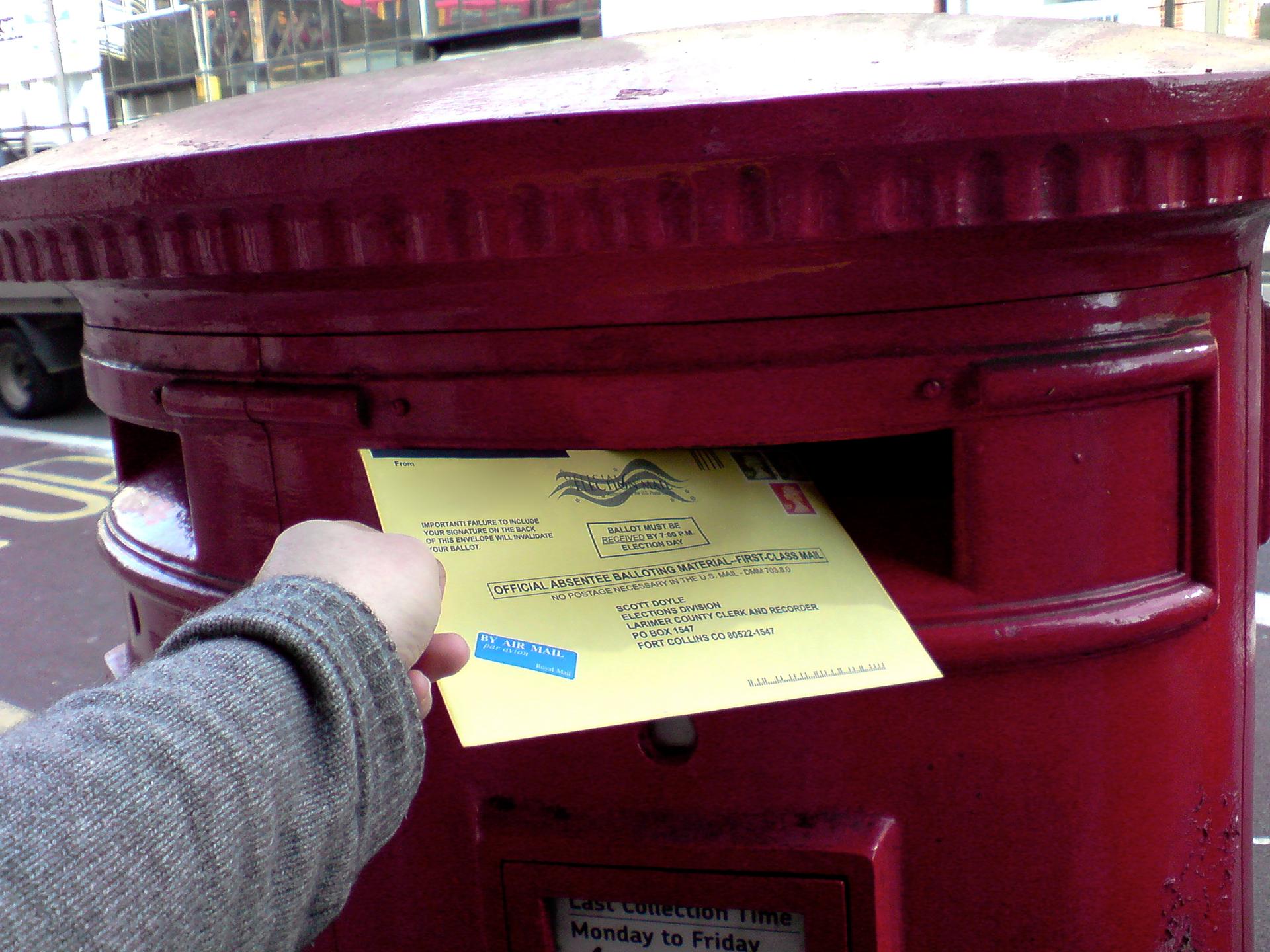
The Roll That Reopened for Five Wards: Why 1.4 Million Kenyans Abroad Still Wait to Be Counted
As Kenya restarts its voter register in five small constituencies, the diaspora that wires billions home remains almost entirely shut out of the ballot.
A Desk Reopens in Mbeere North
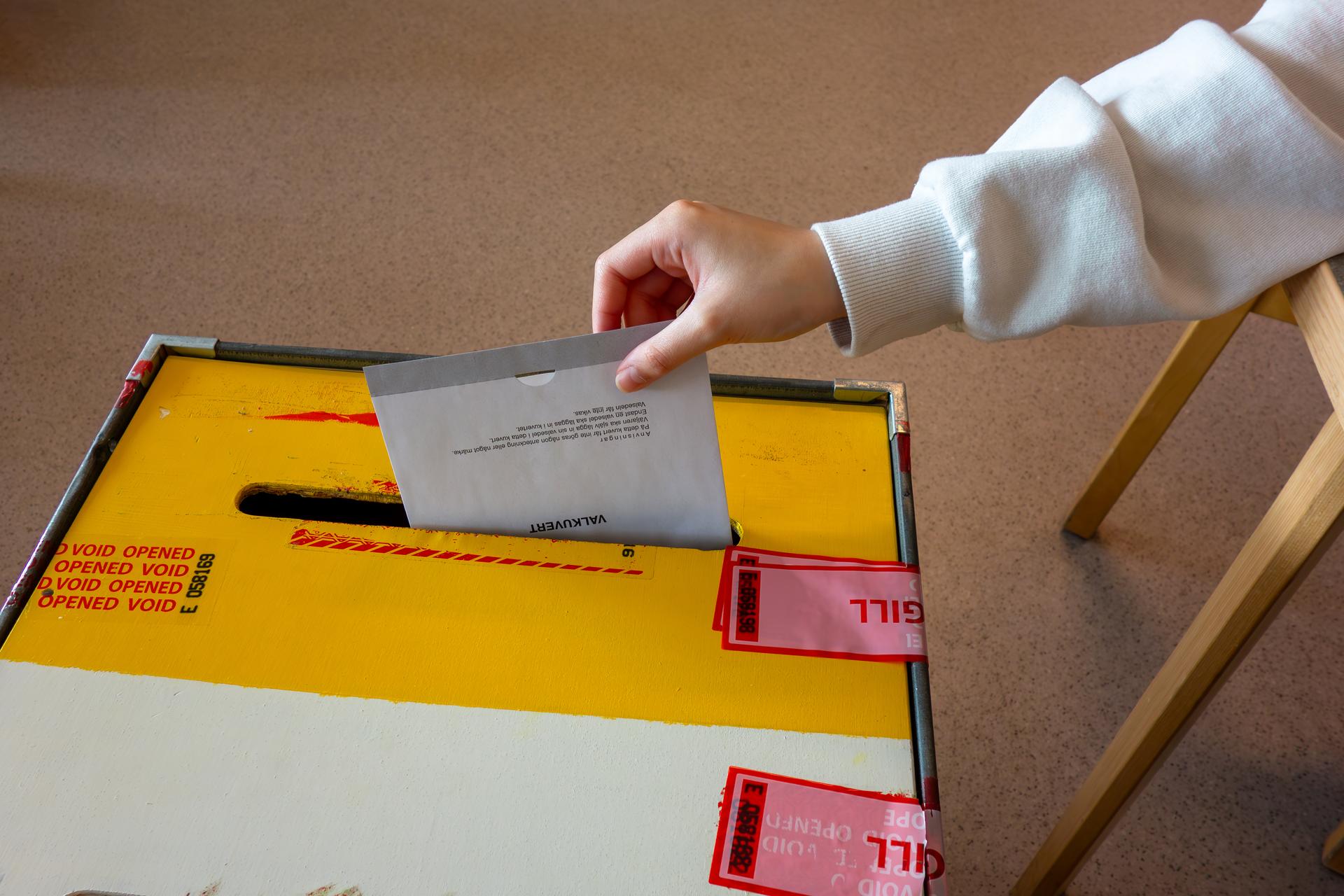
In a constituency office in Mbeere North, the laptops are back on. After months of by-election noise and the slow grind of election petitions, clerks have unpacked the biometric kits again, plugged in the fingerprint scanners, and opened the register of voters to anyone over eighteen with an identity card or a Kenyan passport. The queue is small and local. A teacher transfers her registration from the constituency she left two years ago. A first-time voter, just out of secondary school, presses his thumb onto the glass and waits for the machine to blink green.
It is the most ordinary scene in a democracy: a citizen being counted. And for one month, between 25 June and 25 July, the Independent Electoral and Boundaries Commission is making that scene possible in just five small corners of the country.
What the Gazette Notice Actually Says
In a gazette notice dated 23 June, IEBC chairperson Erastus Ethekon announced an Enhanced Continuous Voter Registration exercise across five electoral areas: Mbeere North Constituency, Porro Ward in Samburu West, Endo Ward in Marakwet East, Emurua Dikirr Constituency and Malava Constituency. The drive, the commission said, follows the conclusion of by-elections and the determination of election petitions in Malava and Mbeere North.
Unusually, registration will run every day of the week, Monday to Sunday, for the full month — a concession to working Kenyans who cannot reach an office on weekdays. Services are being offered at ward level, at constituency offices, at Huduma Centres, at universities and colleges inside the affected areas, and at the commission's customer experience centre at Anniversary Towers in Nairobi. Citizens can register afresh, transfer their details, correct an error, or simply check that they are still on the roll. When the enhanced exercise ends, Ethekon said, ordinary continuous registration will carry on at constituency offices. Only Ol Kalou, where a by-election is still under way, is excluded.
It is a tidy, well-publicised operation. It is also a reminder of how localised Kenya's registration machine still is — and of who is left standing outside it.
The Number That Should Trouble Nairobi
Roughly 1.4 million Kenyans are believed to live abroad. In the 2022 General Election, just 10,443 of them registered as voters. Turnout among that tiny group was a respectable 57.76 percent, but the base number is the story: fewer than one in a hundred diaspora Kenyans had a ballot to cast at all.
Those figures came from the commission itself. Appearing in April before the National Assembly's Diaspora Affairs and Migrant Workers Committee, acting chief executive Moses Sunkuli told MPs the IEBC needed 502 million shillings to scale up diaspora registration and participation before 2027 — and that only 400 million had been allocated. "The Commission is unable to carry out any diaspora mapping and registration activities due to unavailability of funding in the current financial year," he said. Mapping, he added, could begin as early as July, if the money comes.
The contrast is stark. The machinery exists to register five wards in a month. The machinery to reach millions of citizens overseas is, on the commission's own account, stalled for want of cash.
The Rules That Keep the Door Narrow
Money is only half the obstacle. The rest is written into law. Regulation 34 of the Elections (Registration of Voters) Regulations ties diaspora registration and voting to the presence of a Kenyan embassy or consulate. In practice that means a Kenyan in a country without a diplomatic mission has nowhere to register, however large the community. In 2022, diaspora voting was available in just 12 countries, among them the United States, Canada, the United Kingdom, Germany, Qatar and the United Arab Emirates.
There are other walls. Diaspora voters may take part only in presidential elections and referenda — not, pointedly, in the kind of parliamentary by-elections that triggered this very registration drive at home. The High Court ruled in 2022 against the use of national identity cards, rather than passports, for registration outside the East African region, a barrier that bites hardest on low-wage migrant workers. At the April hearing, lawmakers raised the case of Kenyans in Saudi Arabia whose passports are held by employers — citizens who, even where a mission exists, may not physically possess the document they need to enrol.
The commission's own lawyers concede the framework is fragile. IEBC has told Parliament it is working under a Supreme Court directive requiring the gradual expansion of diaspora voting to more countries and more polling stations each cycle, and has asked for Regulation 34 to be amended toward a more flexible, data-driven approach.
Why This Matters to People Who Already Send Everything
The asymmetry is hard to miss. In the year to mid-2025, Kenyans abroad sent home a record 931.8 billion shillings, money that pays school fees, hospital bills and the weekly shopping for households across the country. The diaspora is, by the government's own framing, an economic pillar. Yet politically it remains close to voiceless: a community trusted to help underwrite the national budget but largely unable to mark a ballot.
For many Kenyans overseas, that gap is the quiet grievance behind every election cycle. They follow the campaigns on their phones, argue about them in WhatsApp groups from Manchester to Doha, and wire money to relatives who will vote when they cannot. The promise of progressive expansion is real, but it has moved slowly — one cycle, a few more countries, a few more stations at a time.
A Clock That Is Already Running
The five-ward exercise will close on 25 July, the rolls in Mbeere North and Malava a little fuller than before. Whether anything comparable reaches Nairobi's Kenyans in Atlanta, Toronto or Dubai depends on decisions being taken now: whether the Treasury releases the missing 102 million shillings, whether Parliament amends the rules that bind registration to embassy walls, and whether the commission can mount the voter education that past turnout suggests is still thin.
2027 can feel distant. For an electoral commission, it is not. Registers must be built, mapped and audited long before a ballot is printed. The desks reopening this month in five rural constituencies show the state can still count its citizens when it chooses to. The unanswered question is when it will choose to count the ones who left.