The Ballot That Waits at the Embassy Gate: How a Court Told Four Million Kenyans Abroad to Be Patient
A High Court has upheld rules confining diaspora voting to embassies, telling Kenyans who fund home with billions in remittances that fuller enfranchisement will come in stages, not now.

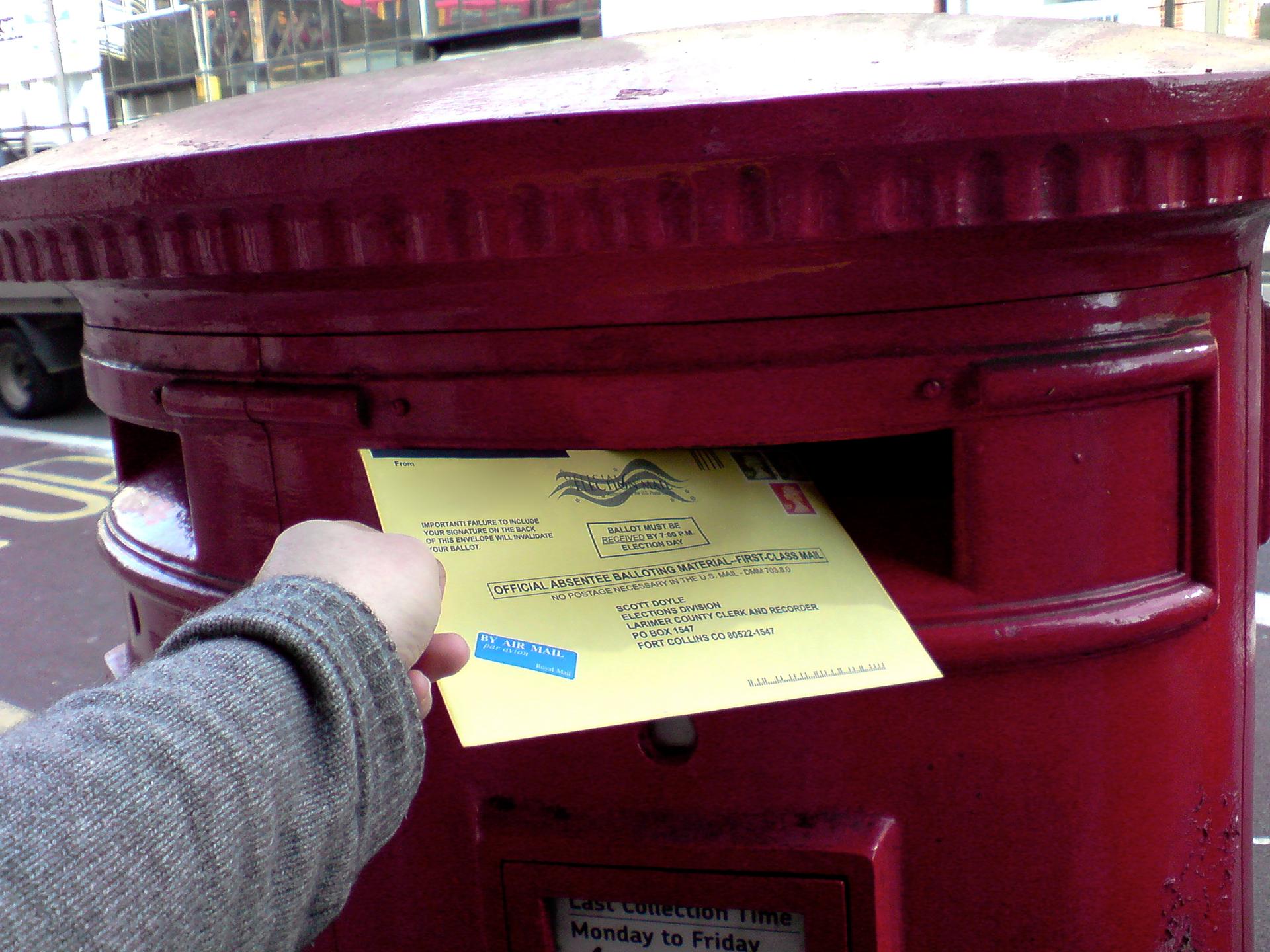
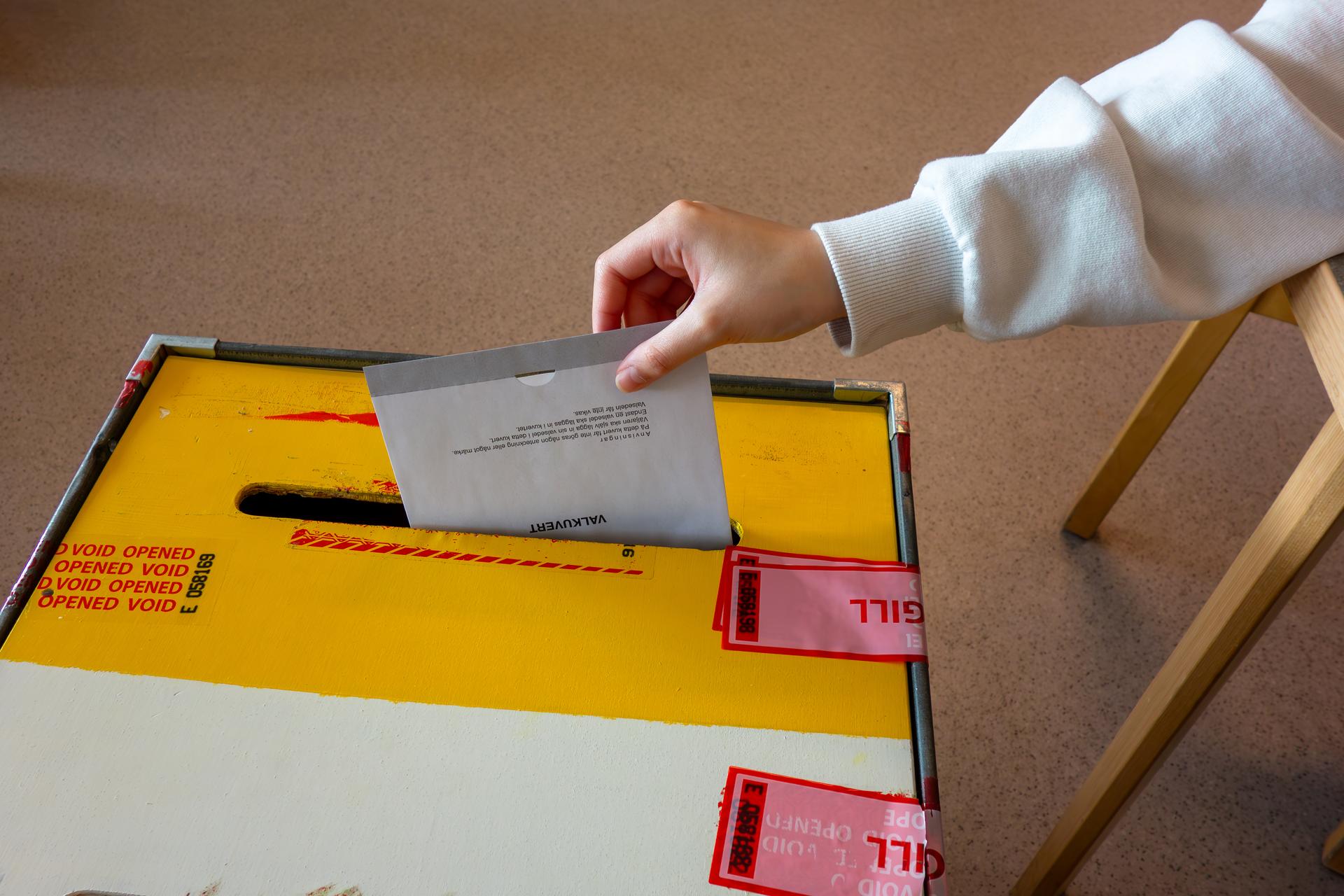
For a Kenyan living in a city without a Kenyan mission, the act of voting can begin with a map and a calculator. The nearest embassy or high commission may be in another state, another time zone, a flight and a hotel night away. The ballot is a right on paper. The journey to reach it is a budget line. For many of the roughly four million Kenyans abroad, that gap between the right and the reach has long felt less like an oversight than a quiet form of exclusion.
This week the High Court in Nairobi looked at that gap and decided it was lawful, at least for now. In a ruling that lands squarely on the diaspora's sense of itself as a serious electorate, the court dismissed a constitutional petition that had sought to strike down the rules confining overseas voter registration and polling to Kenya's diplomatic premises. The decision leaves intact a system that critics say shuts out the very citizens whose money keeps the economy afloat.
A Petition Built on Numbers
The case was brought by 93 Kenyan citizens living abroad, and its argument leaned heavily on arithmetic. They pointed to a diaspora estimated at around four million people and to remittances that exceeded KSh 637 billion in 2024, equivalent to roughly 4.6 percent of gross domestic product. A community sending home that much money, they argued, is not a peripheral constituency to be enfranchised whenever it is administratively convenient. It is a pillar of the national balance sheet.
Against that financial weight they set a thin electoral one. Official figures cited in the petition showed only about 10,444 registered diaspora voters in the 2022 general election, a sliver of the eligible population. The petitioners said the explanation was structural. Tying registration and polling to embassies means Kenyans in countries with no diplomatic mission are effectively locked out, while those in large host countries can face long and costly domestic travel to reach a single sanctioned site. The framework, they contended, violated constitutional guarantees of universal suffrage and equal treatment and created what amounted to a geographic disenfranchisement.
The Less Restrictive Alternatives
Central to the petition was a proportionality argument: that the state had reached for a blunt instrument when finer ones existed. The petitioners pointed to methods used elsewhere in the world, including postal voting, designated overseas polling centres located outside diplomatic compounds, and digital or hybrid registration models. Conditioning the vote on the presence of an embassy, in their framing, was a choice of convenience over constitutional duty, and one that failed the test requiring the state to limit rights only as much as strictly necessary.
It is an argument with intuitive force for anyone who has watched other migrant nations mail ballots across oceans. But intuitive force and constitutional command are different things, and that distinction is where the case turned.
The State's Answer: Progressive Realization
The Independent Electoral and Boundaries Commission, the Attorney General and Parliament lined up against the petition, and their defence rested less on principle than on capacity. Overseas voting, the IEBC argued, is being widened step by step. It cited growth from just over 4,000 registered diaspora voters in 2017 to more than 10,000 in 2022, alongside an increase in the number of countries hosting polling stations, as evidence that the trajectory points toward inclusion rather than away from it.
The commission framed the embassy rule as a response to hard limits: financial constraints, logistical capacity, the political conditions of host countries, and the simple fact that Kenya can only operate where it has a diplomatic footprint. Extending polling beyond embassies, it warned, would raise sovereignty questions, since running an election on foreign soil outside a mission would require the explicit consent of the host state and could expose Kenya to legal and diplomatic complications beyond its control.
The Attorney General added that the rule applies uniformly to all citizens abroad and so does not discriminate in law, even where its effects fall unevenly. Parliament, for its part, cast the petition as an intrusion into legislative territory, arguing that courts cannot order lawmakers to redraw electoral policy, particularly while broader reforms to registration and results management are still being debated.
What the Court Weighed
Justice Lawrence Mugambi accepted the state's central frame. The constitutional design of diaspora voting, he held, is one of progressive realization: overseas enfranchisement is a goal to be reached in stages rather than an entitlement enforceable in full today. On that reasoning, the restriction survived the constitutional limitations clauses that allow rights to be curtailed where the limitation is reasonable and justifiable.
Striking down the rule, the judge warned, "can only serve to stifle the momentum that this provision has created so far and would be tantamount to destroying the foundation upon which further future progress is to be built." The court gave significant weight to the cost of running polling abroad and to the legal constraints of operating outside sovereign missions, finding that those practical considerations justified the present structure. Viewed within a framework of incremental expansion, it concluded, the regulation does not unlawfully restrict political participation.
The Remittance Paradox
The ruling leaves the diaspora in a familiar and uncomfortable position. By every economic measure, Kenyans abroad have never mattered more to the country they left. Their remittances have become one of the most dependable sources of foreign exchange, steadier than tourism and less volatile than many exports. Successive governments have courted them with bonds, housing schemes and dedicated state offices.
Yet the same community that is treated as an economic constituency remains, for electoral purposes, a population still waiting its turn. The court's logic is coherent on its own terms; building an overseas election system is genuinely hard, and sovereignty concerns are real. But for a nurse in a mid-sized foreign city, or a worker in a Gulf state hundreds of kilometres from the nearest mission, the message is that their money travels home more easily than their vote.
What Happens Next
For now, the legal route to fuller diaspora enfranchisement narrows, and the political one widens by default. The judgment effectively hands the question back to Parliament and the IEBC, where expansion will proceed at whatever pace budgets and diplomacy allow. Reform campaigners are likely to press for postal or digital pilots to be written into the electoral statutes rather than left to administrative discretion, and an appeal cannot be ruled out.
Diaspora organisations that have spent years lobbying for broader access will read the decision as a setback dressed in the language of patience. The phrase "progressive realization" can sound, depending on where you stand, either like a promise or like a polite way of saying not yet. Four million Kenyans abroad now know which reading the courts prefer, and how far they may still have to travel before their ballots count as easily as their shillings do.