The Embassy or Nothing: How a Court Ruling Redrew the Map of Kenya's Diaspora Vote
A High Court has upheld rules confining overseas voting to Kenya's diplomatic missions, leaving citizens hundreds of miles from the nearest embassy asking what their ballot is worth.

A Vote Measured in Miles
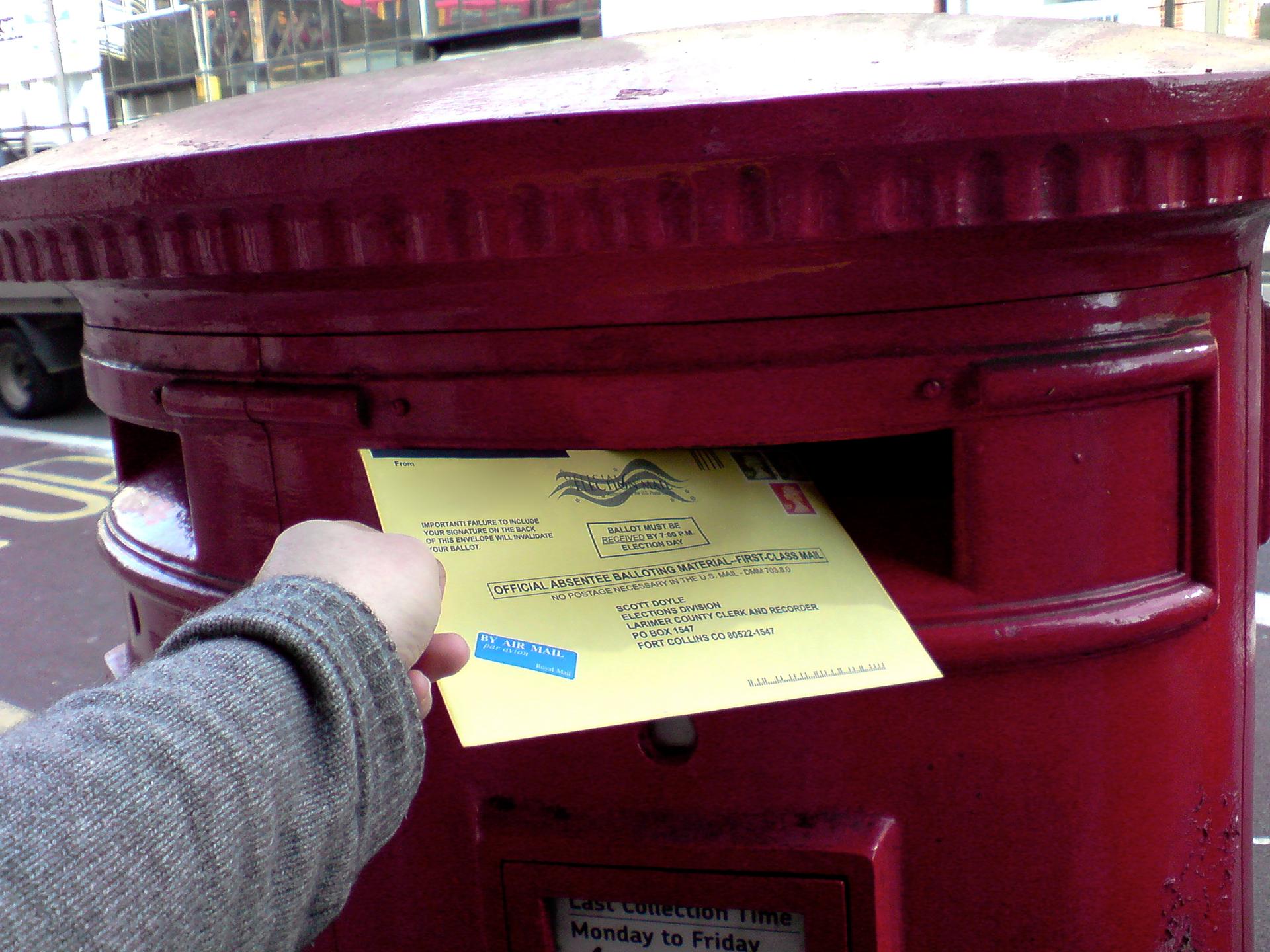
For a Kenyan in much of the diaspora, the right to vote has long come with a hidden second cost: the price of getting to it. The ballot is free, but reaching it can mean a flight, a tank of fuel, a hotel night and a day off work, because under Kenyan law the only place a citizen abroad can cast that ballot is inside an embassy, a high commission or a consulate. In a country the size of the United States, that can mean a voter in the Midwest or the Deep South measuring their democratic participation not in policies or candidates but in hundreds of miles to the nearest Kenyan flag.
This week that arithmetic hardened into settled law. The High Court in Nairobi upheld the rules that restrict overseas voting to nations where Kenya maintains a diplomatic mission, dismissing a constitutional challenge brought by diaspora voters who had argued the system quietly disenfranchises the very citizens it claims to include. For the activists who filed the case, it was the end of one road and the start of another.
What the Court Decided
At the centre of the dispute was Regulation 34(2) of the Elections (Registration of Voters) Regulations, 2012, the clause that ties diaspora registration and balloting to embassies, high commissions and consulates. The petitioners wanted it struck down or read more broadly. The court declined.
Justice Mugambi found the regulation constitutional, ruling that confining overseas voting to diplomatic premises was a reasonable measure rather than an arbitrary barrier. The judge accepted that the limitation was anchored in practical realities: the cost of mounting elections across the world, the need to protect electoral integrity, and the diplomatic arrangements that govern what one country may lawfully do on another's soil. In the court's reasoning, the Independent Electoral and Boundaries Commission (IEBC) had not shut the door on the diaspora; it had simply drawn the line where the state's reach abroad actually ends.
For Kenyans who had hoped the judiciary would force a wider opening before the next general election, the decision landed hard. The principle that every citizen's vote counts equally, they had argued, should not bend to a map of consulates.
The Case the Diaspora Made
The petition was filed in April 2025 by Danson Mukile and 92 other petitioners, organised through the Kenya Diaspora Technical Working Group. Their argument was rooted less in grievance than in geography. A rule that works tidily in a city with a Kenyan mission, they said, becomes a wall for a nurse in a distant American state, a student in a regional British town, or a worker in a Gulf city far from the capital where the consulate sits.
That, the petitioners contended, is not equal treatment. Kenya's Constitution promises every citizen the right to participate in the political life of the nation, and guarantees equality before the law. A system that lets one citizen vote during a lunch break while requiring another to cross a country, they argued, delivers that promise unevenly. The remedy they sought was practical: more registration points, more flexible balloting options, and a recognition that the diaspora is not a single cluster around embassies but a population scattered across entire continents.
It is an argument that has surfaced repeatedly in Kenyan courts as the diaspora's political weight has grown, and as remittances from those same citizens have become one of the country's largest sources of foreign exchange. The people sending billions home each year, the petitioners noted, are often the people furthest from a ballot box.
The Commission's Defence
The IEBC defended the embassy-only model as a matter of capacity rather than exclusion. Diaspora voting, the commission argued, is shaped by hard constraints: financial limits, logistical reach, the political environment in host countries, and the simple fact that an election authority cannot operate freely outside its own borders.
Crucially, the commission raised the question of sovereignty. Extending Kenyan polling beyond diplomatic premises, it warned, would require the explicit consent of host governments, because a foreign state's elections cannot simply spill into another country's territory without permission. Embassies and consulates are, in legal terms, the slivers of Kenyan jurisdiction that exist abroad, and they are therefore the natural and lawful place for the vote to happen.
The commission's position reflects a body already stretched. The IEBC has been rebuilding its register at home through the Enhanced Continuous Voter Registration exercise, completed earlier this year under chairperson Erastus Edung Ethekon, and has separately sought hundreds of millions of shillings to expand diaspora registration ahead of the next cycle. Against that backdrop, the court accepted, an unlimited mandate to set up polling wherever Kenyans happen to live was neither affordable nor straightforwardly legal.
A Fight That Moves to Parliament
The ruling closes a courtroom chapter, but the diaspora group has signalled it does not consider the matter finished. After the decision, the Kenya Diaspora Technical Working Group expressed its disappointment and set out the options still on the table: lodging an appeal against the judgment, lobbying Parliament to pass legislation that would accelerate and broaden diaspora voting, and continuing to engage both the IEBC and the State Department for Diaspora Affairs.
That pivot from the bench to the ballot of public pressure is telling. If the courts will not widen access, the reasoning goes, then the law itself must be rewritten by the legislature that made it. For a community that has spent years asking to be counted, the strategy is a long game measured in election cycles rather than court terms.
The Stakes Before 2027
The timing sharpens everything. With the next general election approaching, the question of how, and how easily, overseas Kenyans can vote is no longer abstract. The diaspora is courted enthusiastically for its money and its influence, celebrated at investment forums and in remittance statistics, yet this ruling underscores how much harder it remains to convert that economic citizenship into political voice.
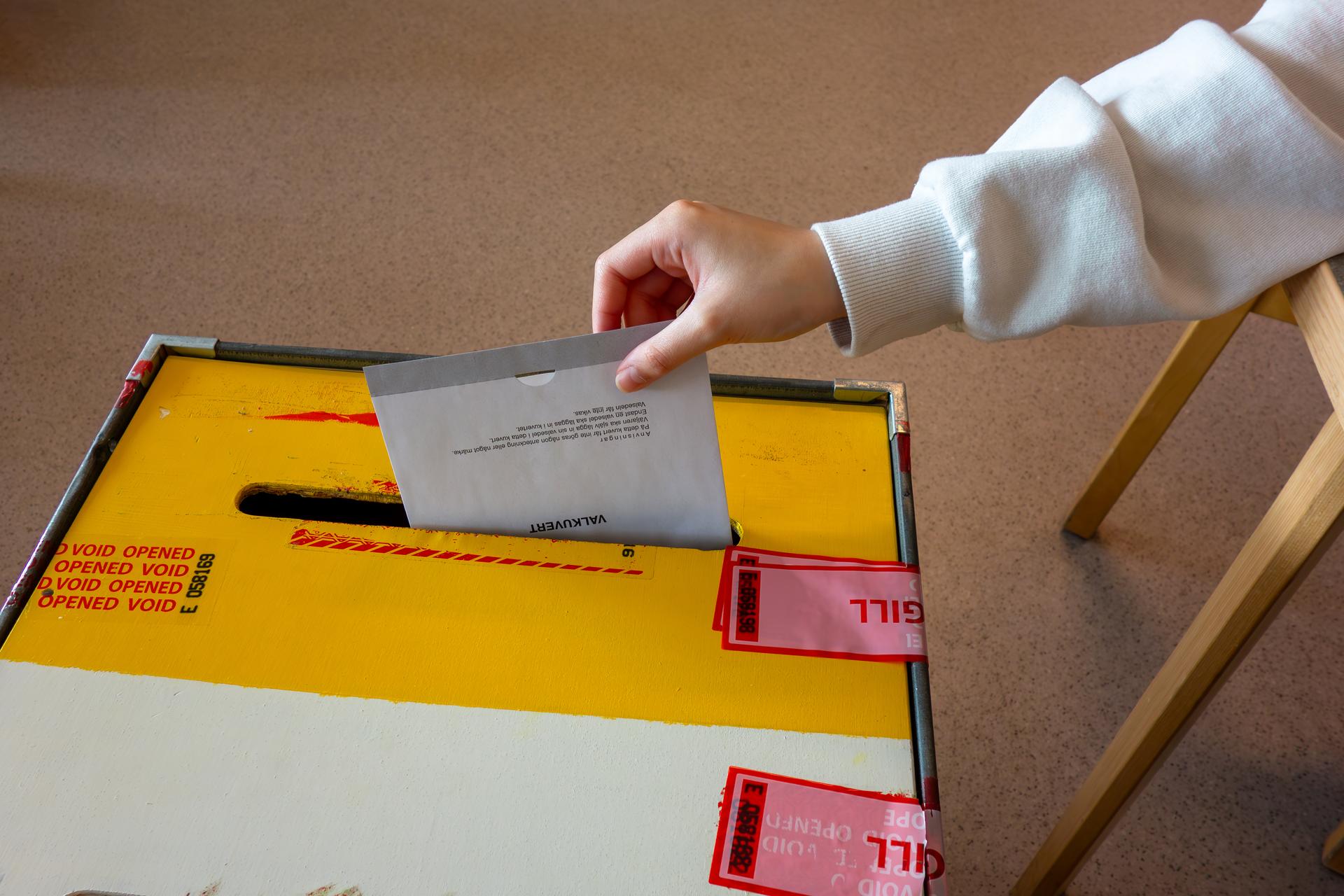
For now, the rule stands: to vote, a Kenyan abroad must come to the embassy. The decision gives the IEBC legal certainty as it plans for 2027, and gives the diaspora's organisers a clear, if difficult, target in Parliament. What it does not resolve is the deeper tension the case exposed, between a Constitution that promises equal participation and a world in which the nearest Kenyan flag may still be a day's journey away.